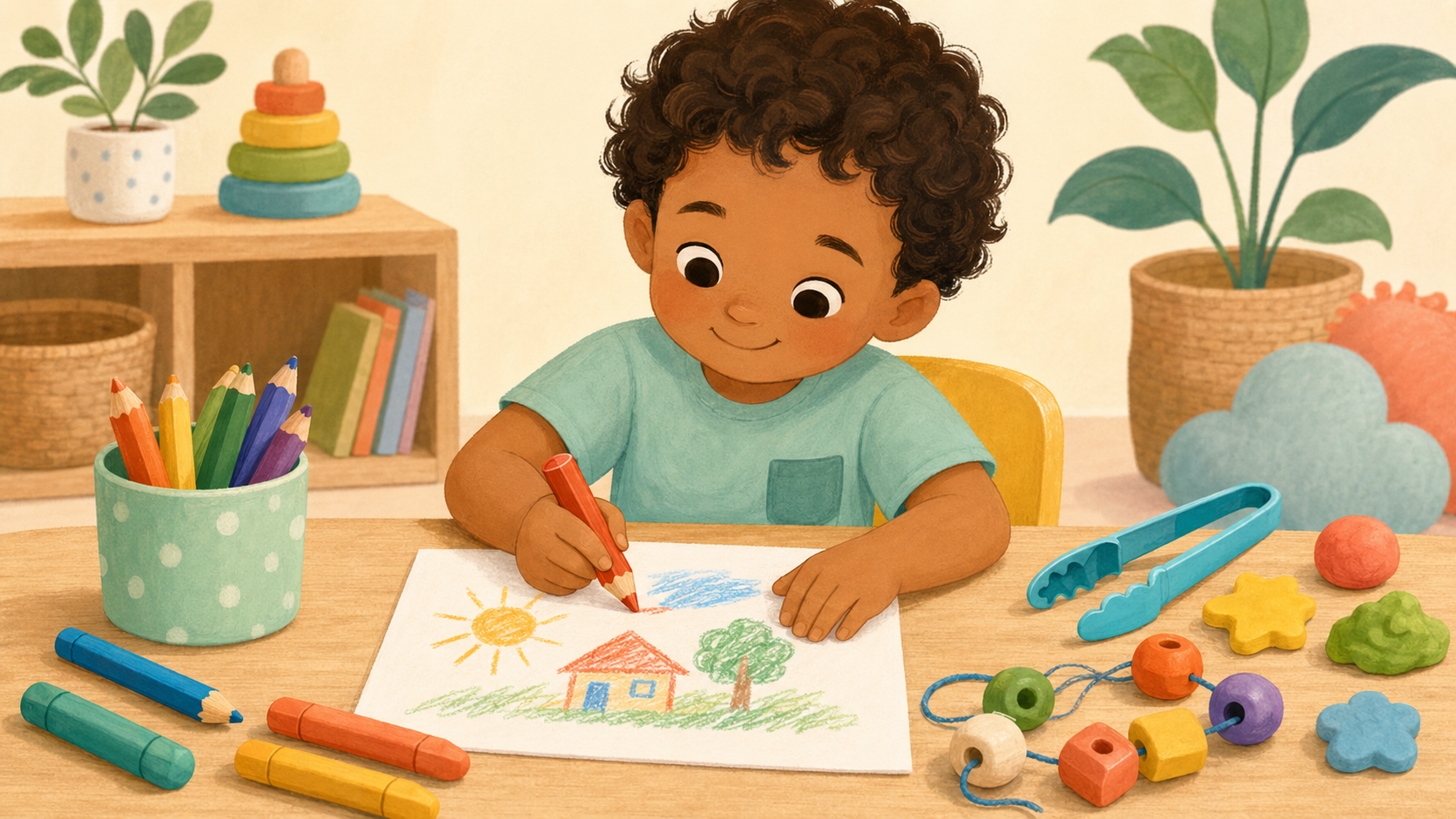
Handwriting
When Should My Child Use a Mature Pencil Grasp?
What pencil grasp development really looks like—and what helps more than repeatedly correcting fingers.
Read article →OT PRACTICE BLOG
Browse every OT Practice article in one place—from fine motor play and sensory routines to feeding, dressing, preschool readiness, and growing independence.
All articles
Educational information—not medical advice or a diagnosis.
Handwriting
What pencil grasp development really looks like—and what helps more than repeatedly correcting fingers.
Read article →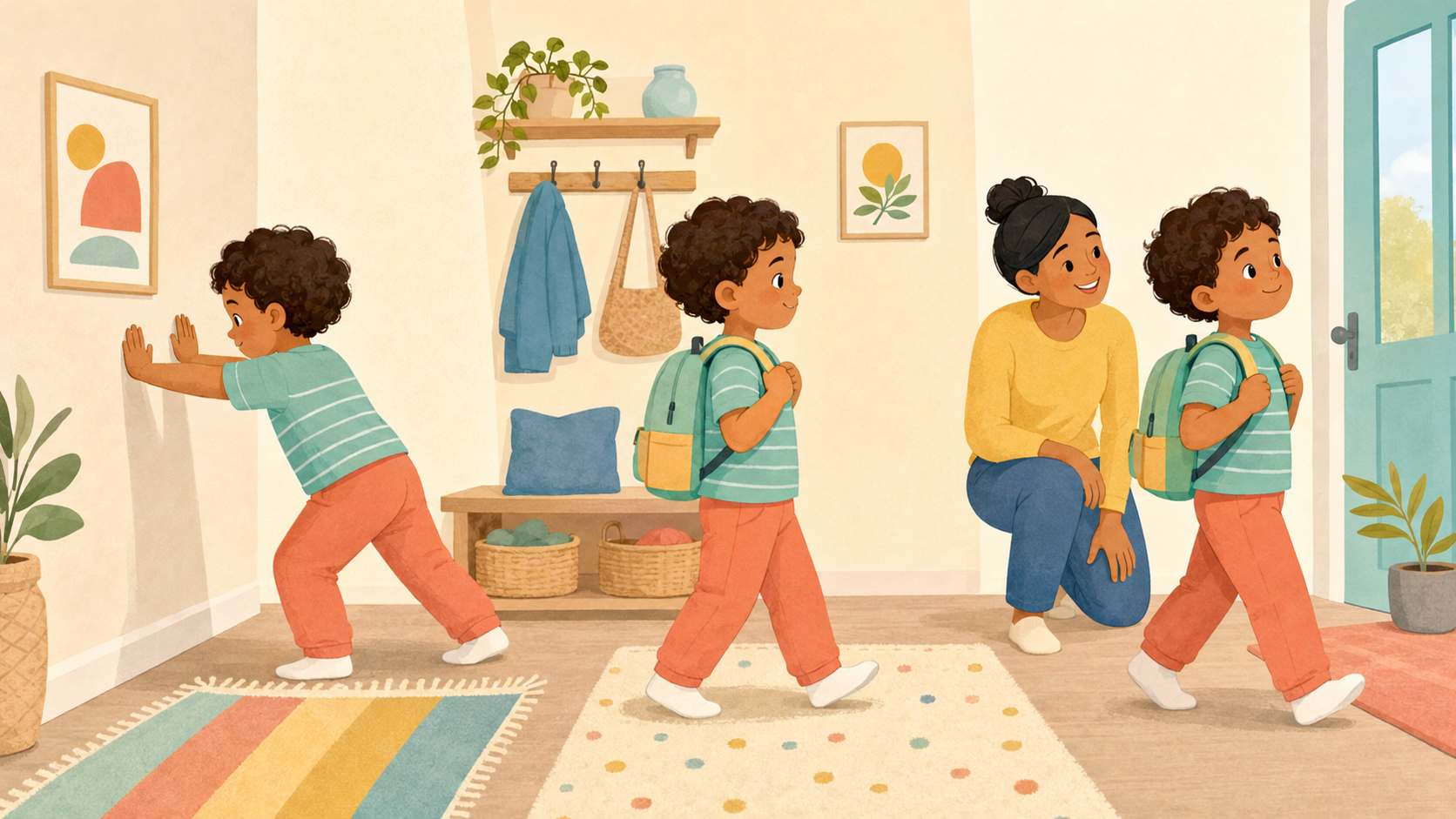
Sensory
A realistic 10-minute routine to help children feel organized and ready before preschool or school.
Read article →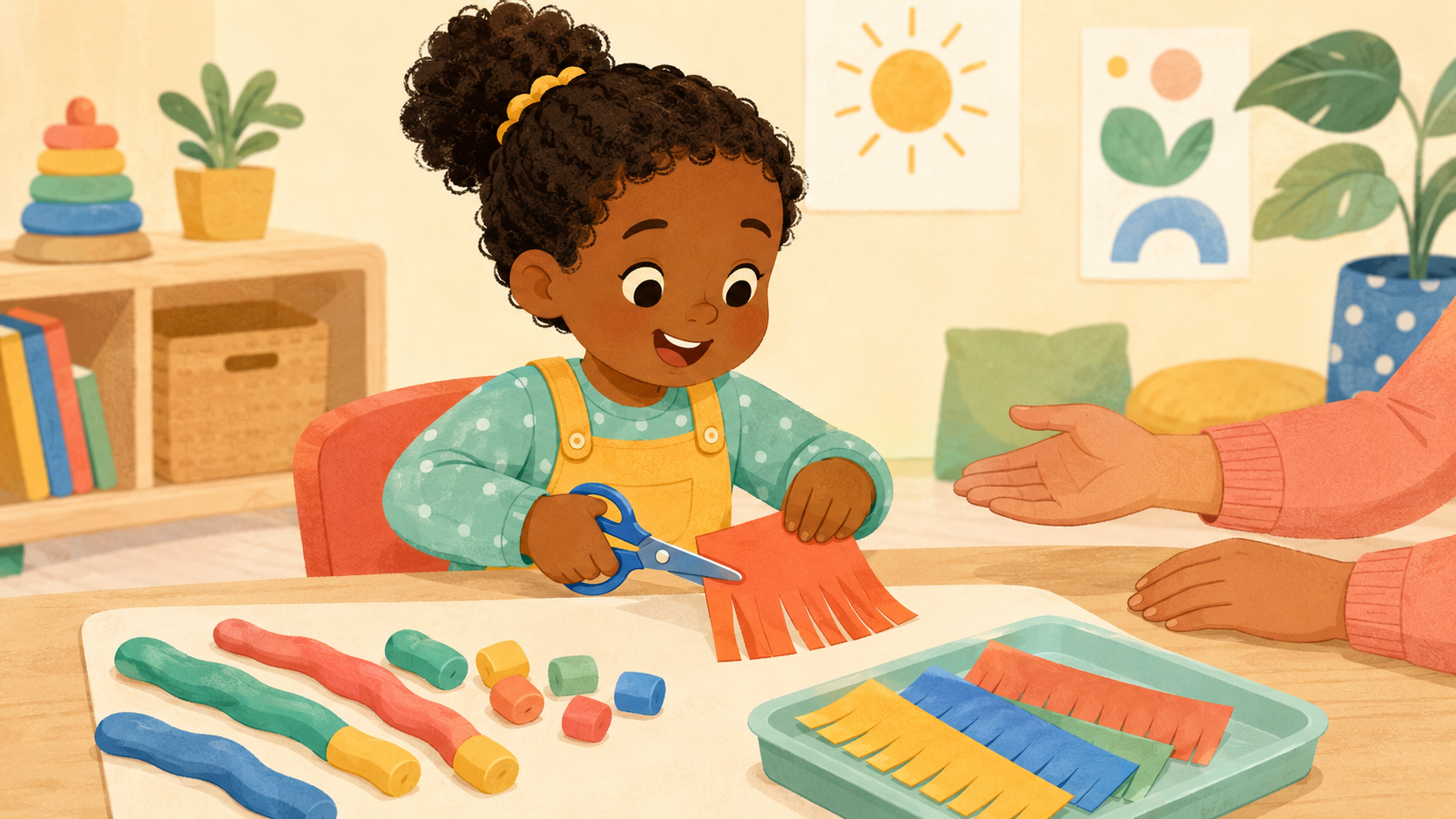
Fine motor
Playful, low-pressure activities that build the hand strength and coordination children need for cutting.
Read article →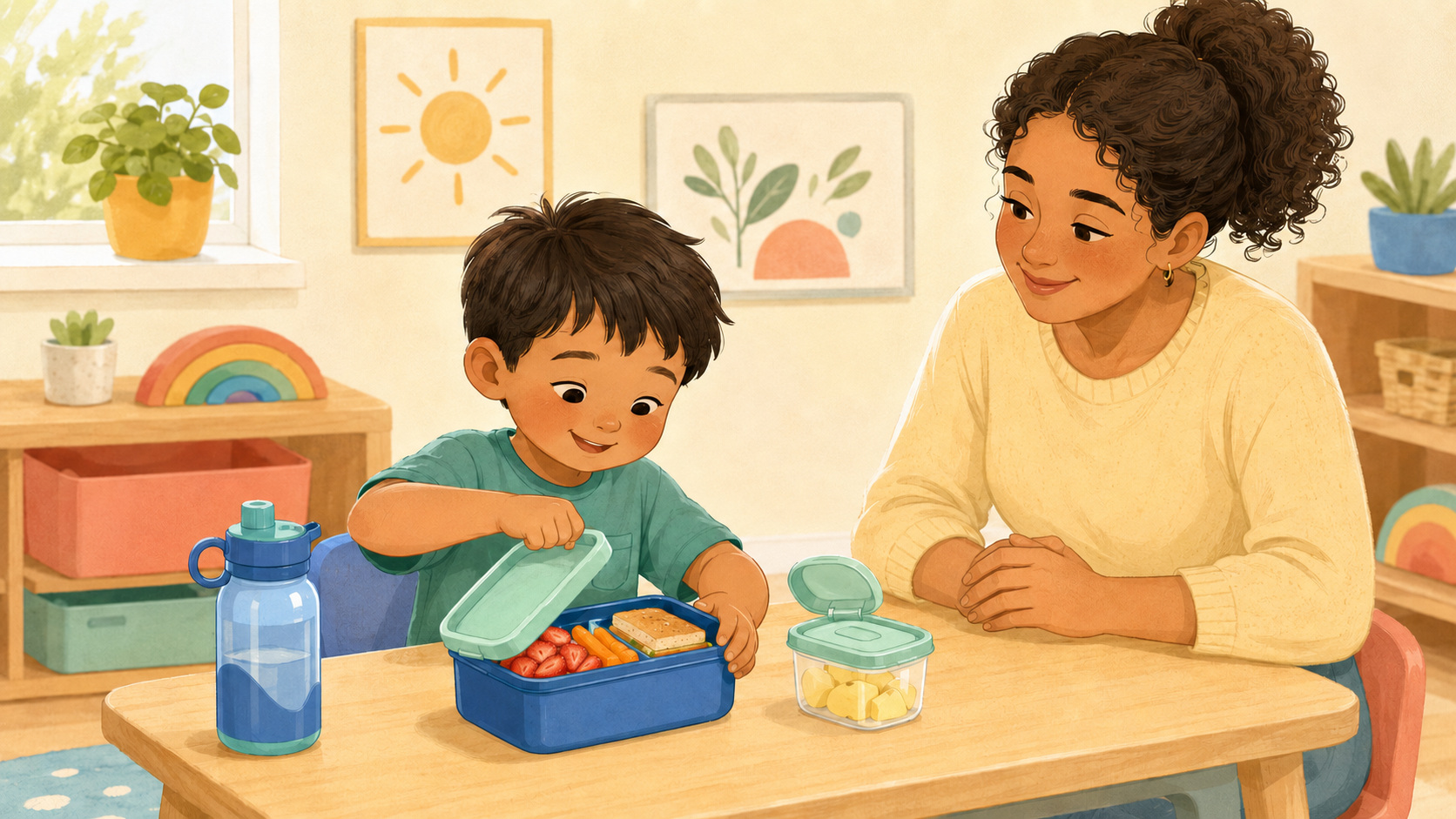
Self-care
Simple OT-informed ways to practice lunchbox zippers, lids, pouches, and containers before preschool.
Read article →
Self-care
A playful, step-by-step way to teach the coat-flip method and make getting dressed easier for children ages 2–5.
Read article →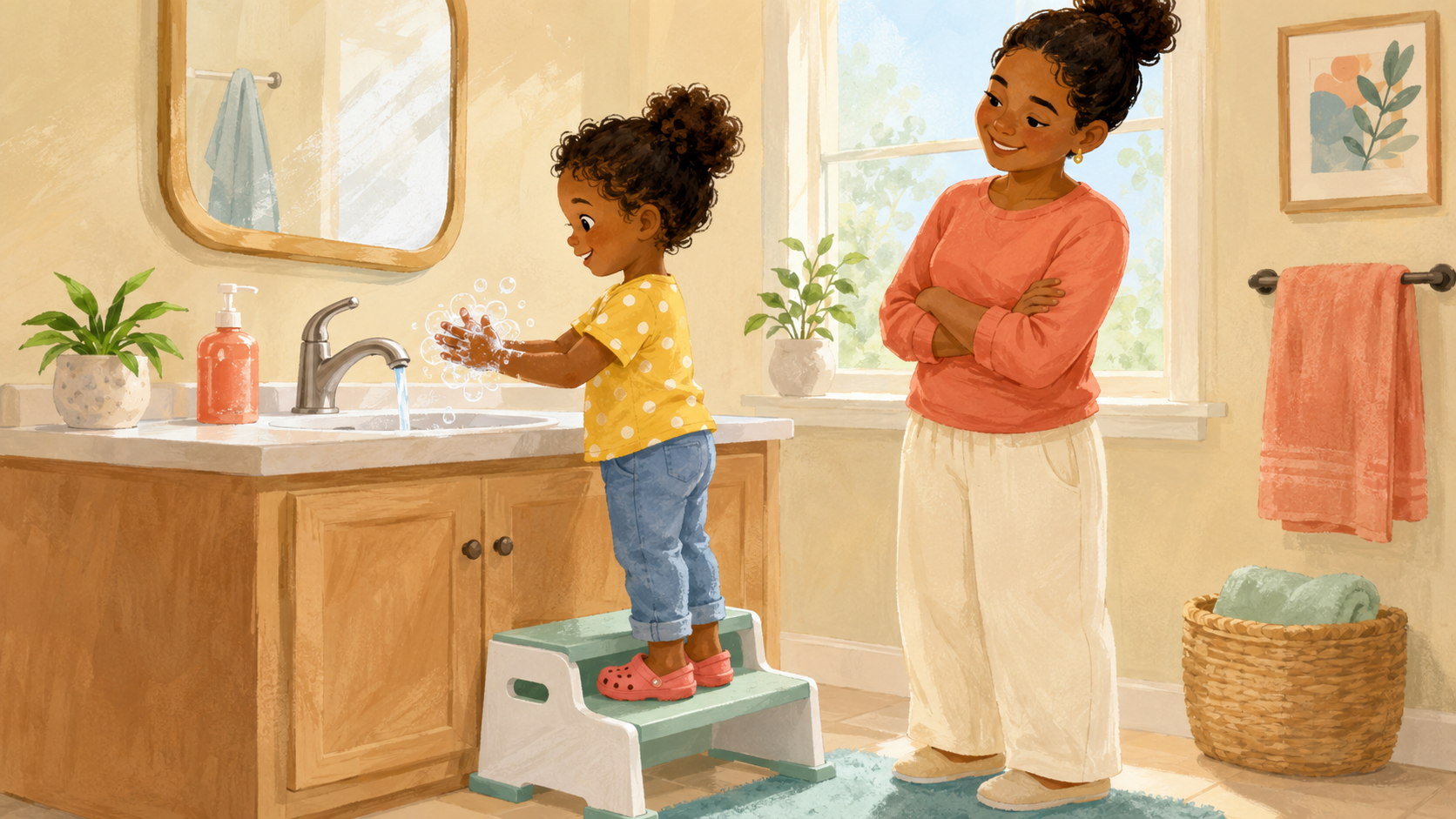
Self-care
A simple six-step handwashing routine with playful OT-informed practice ideas for children ages 2–5.
Read article →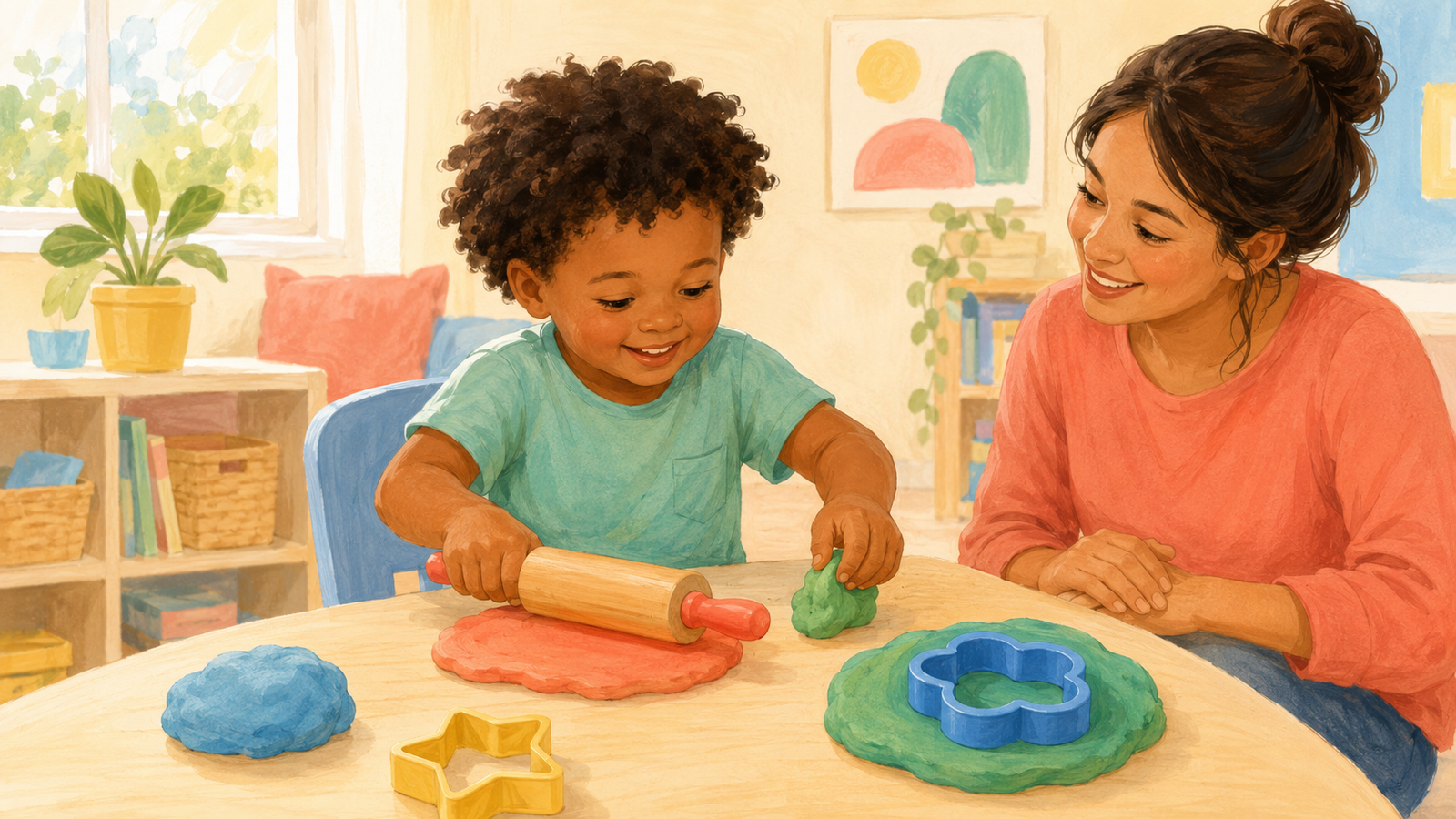
Fine motor
Simple, playful ways to strengthen little hands and support early pencil skills without worksheets.
Read article →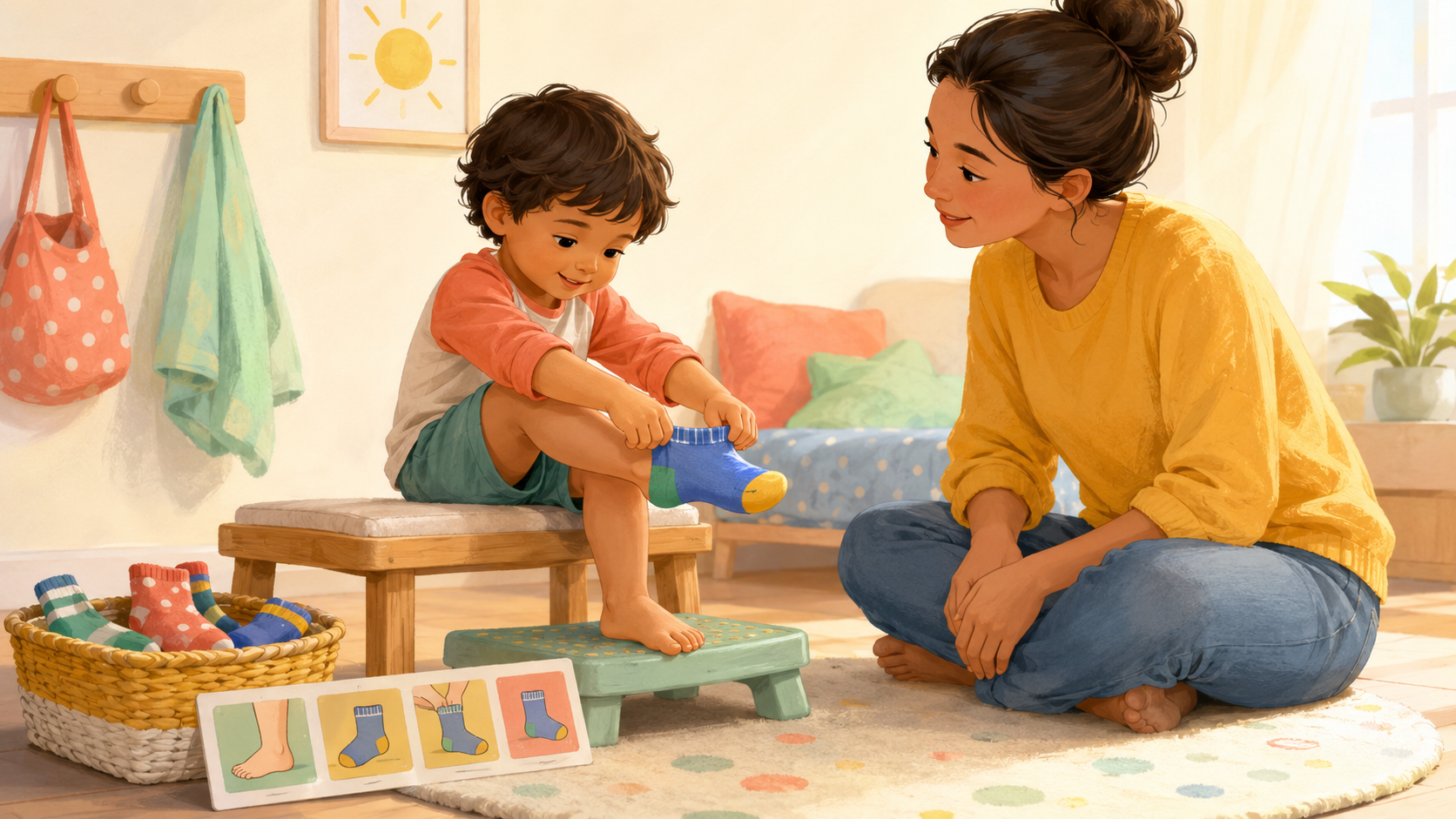
Self-care
A simple OT-informed way to teach sock dressing through setup, backward chaining, and playful two-hand practice.
Read article →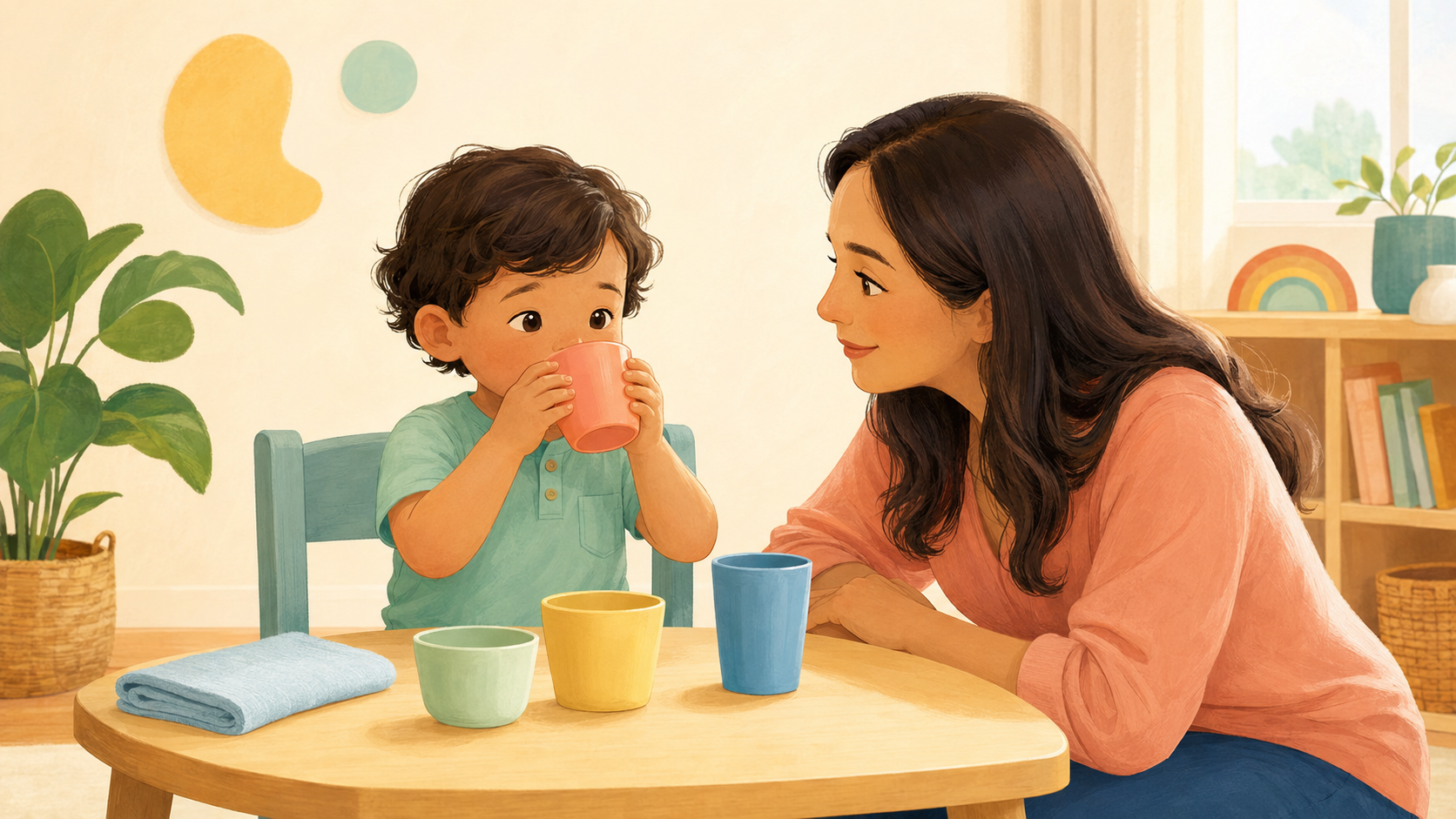
Feeding & self-care
A calm, step-by-step way to practice open-cup drinking with safer setup, tiny pours, and supportive OT-informed cues.
Read article →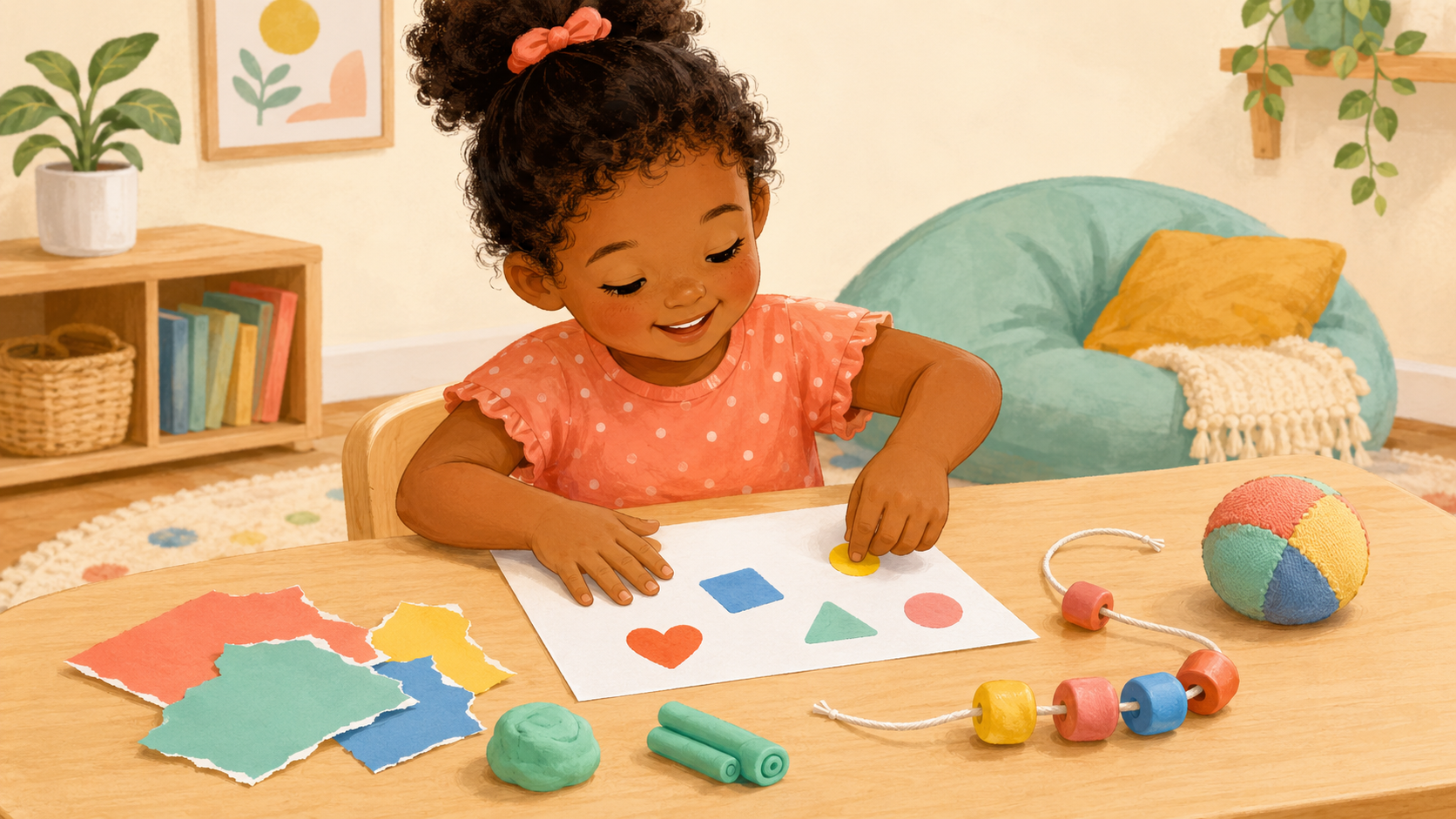
Fine motor & play
Easy everyday games that help preschoolers use both hands together for dressing, cutting, drawing, and play.
Read article →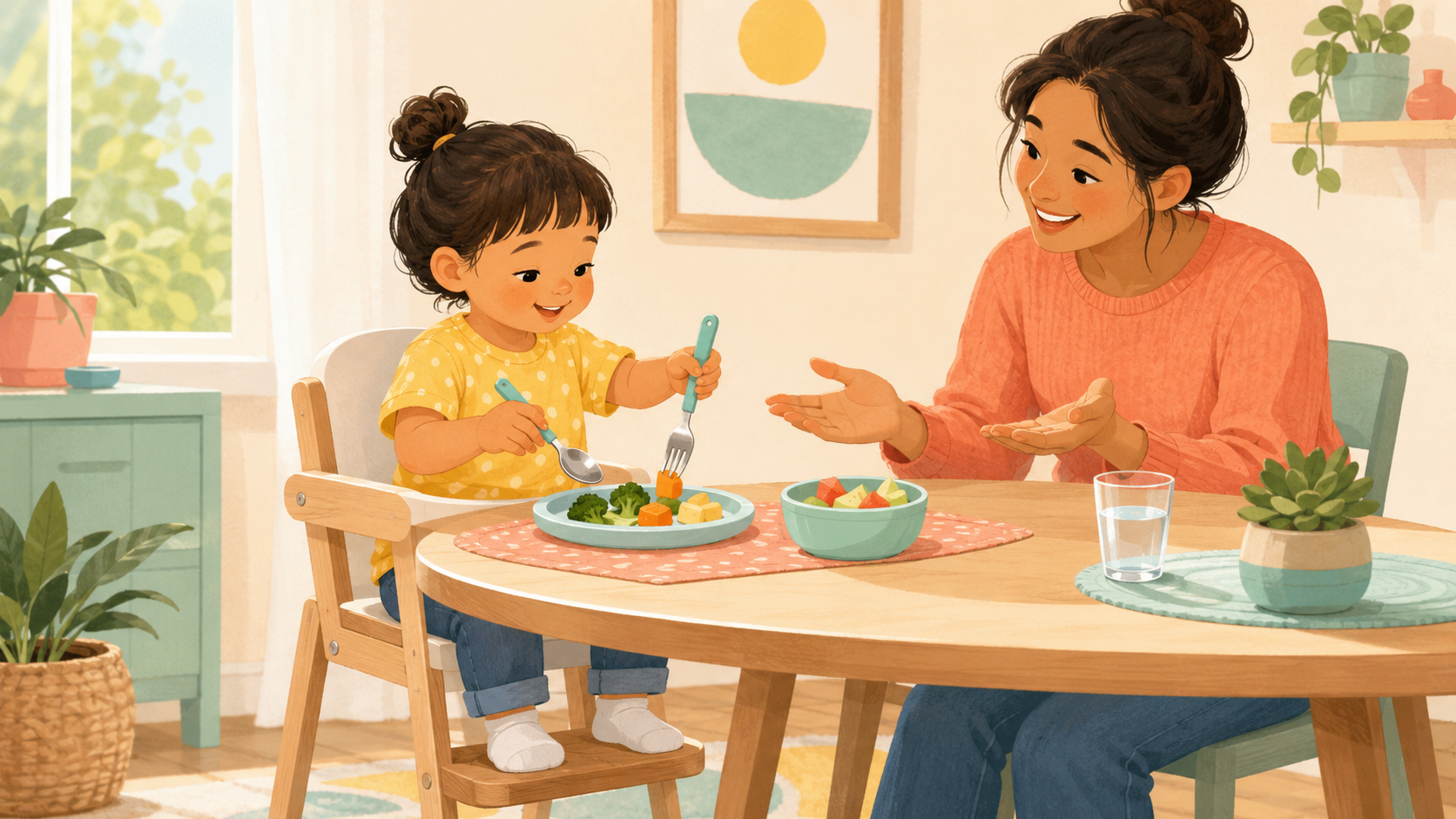
Feeding & self-care
A calm, practical way to build utensil skills through stable seating, child-sized tools, playful practice, and low-pressure meals.
Read article →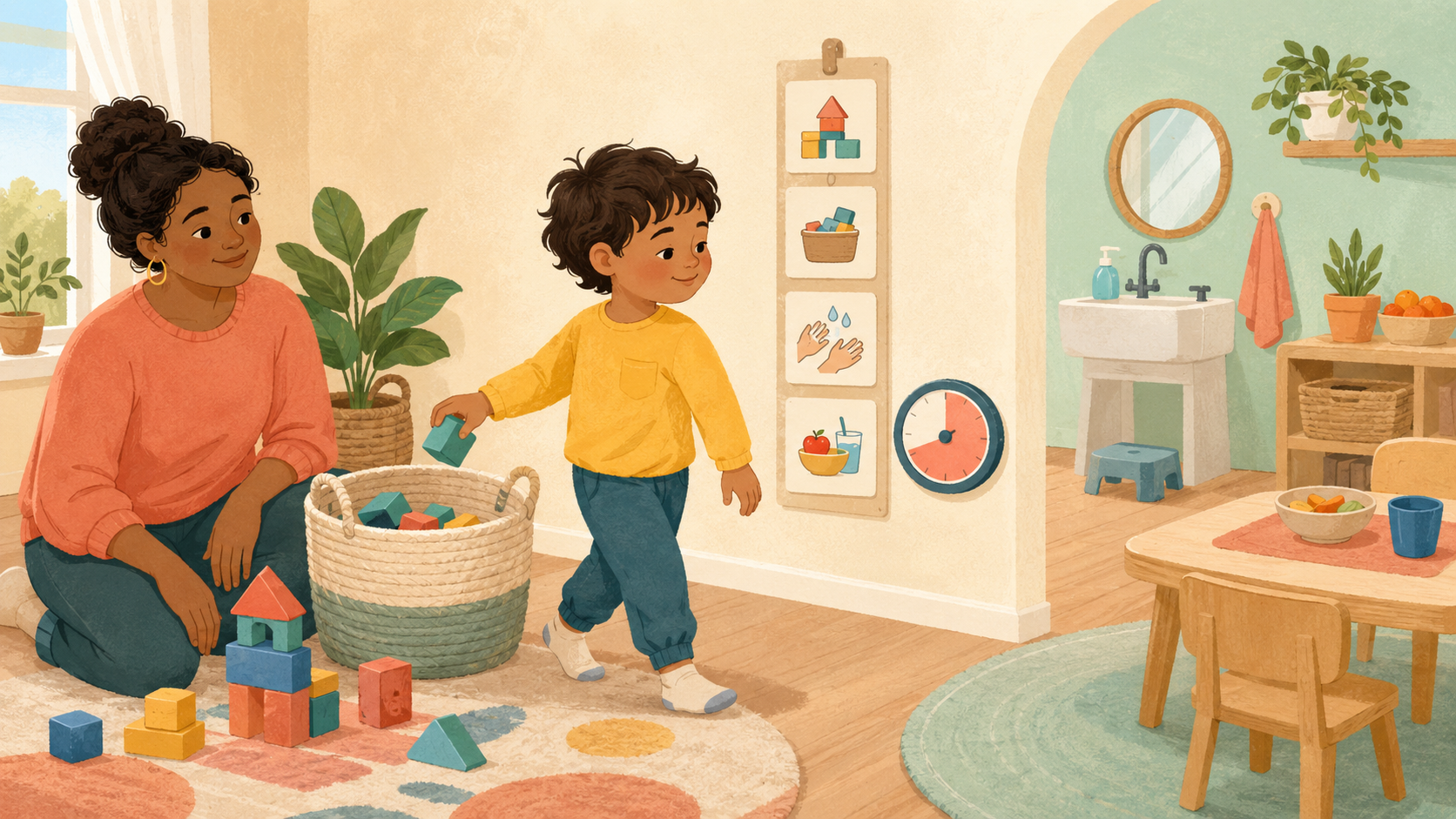
Routines & regulation
A calm, OT-informed routine for helping young children stop one activity, understand what comes next, and move through the day with less stress.
Read article →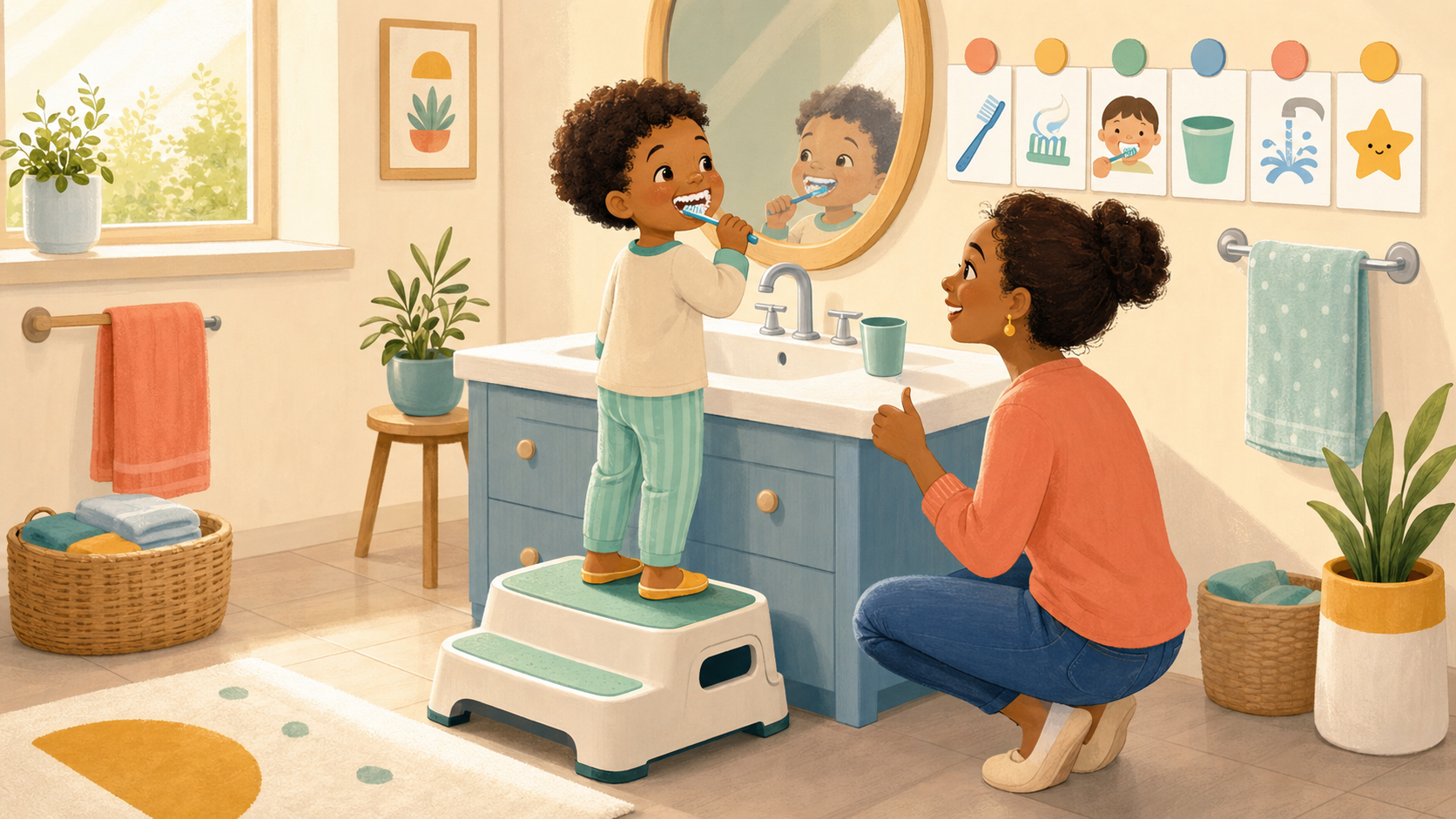
Self-care & sensory
A calm, OT-informed toothbrushing routine with practical setup, playful skill-building, sensory support, and clear safety guidance.
Read article →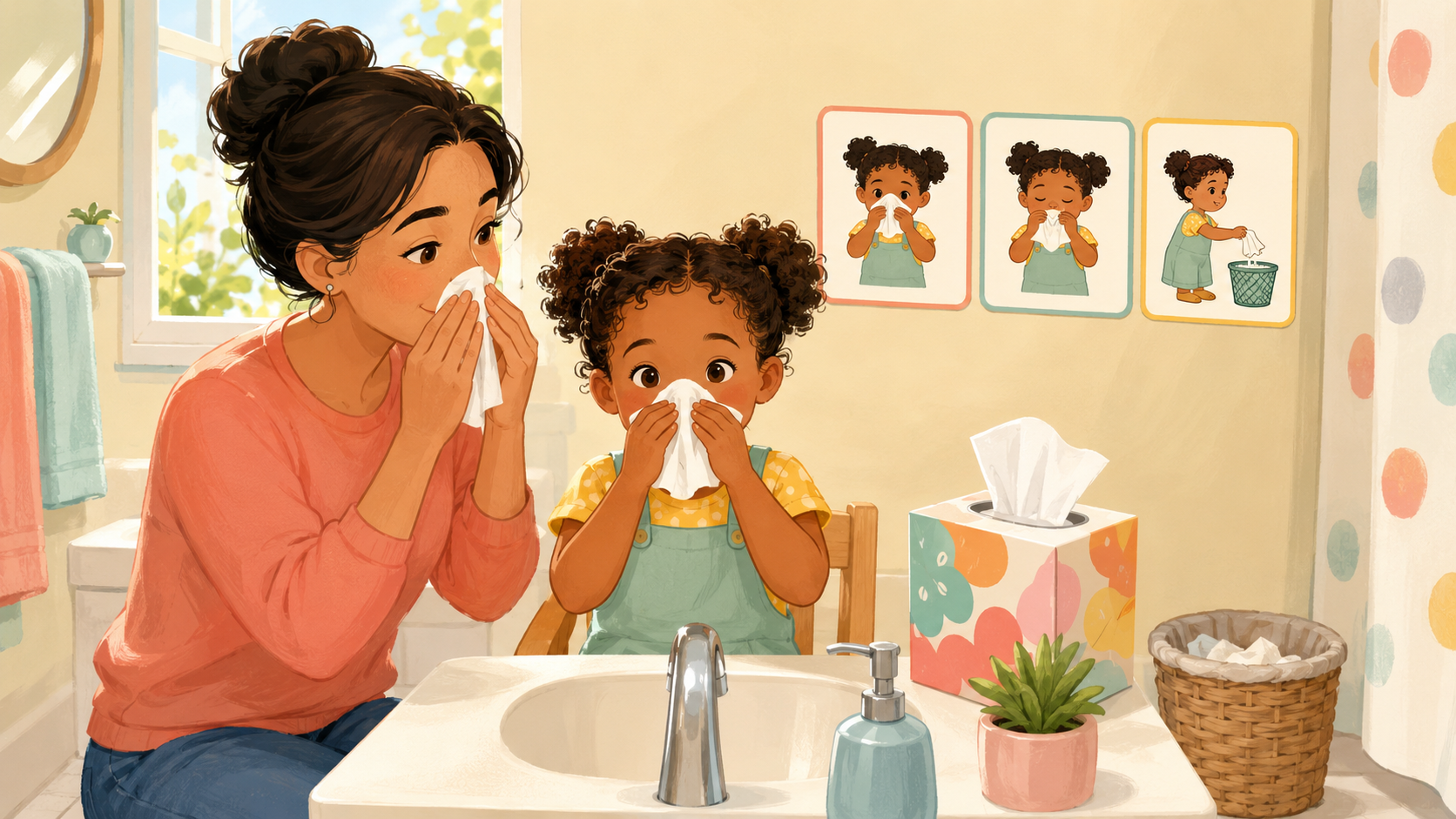
Self-care & preschool routines
A gentle, OT-informed routine that teaches nose blowing through simple airflow games, a clear sequence, sensory support, and healthy hygiene habits.
Read article →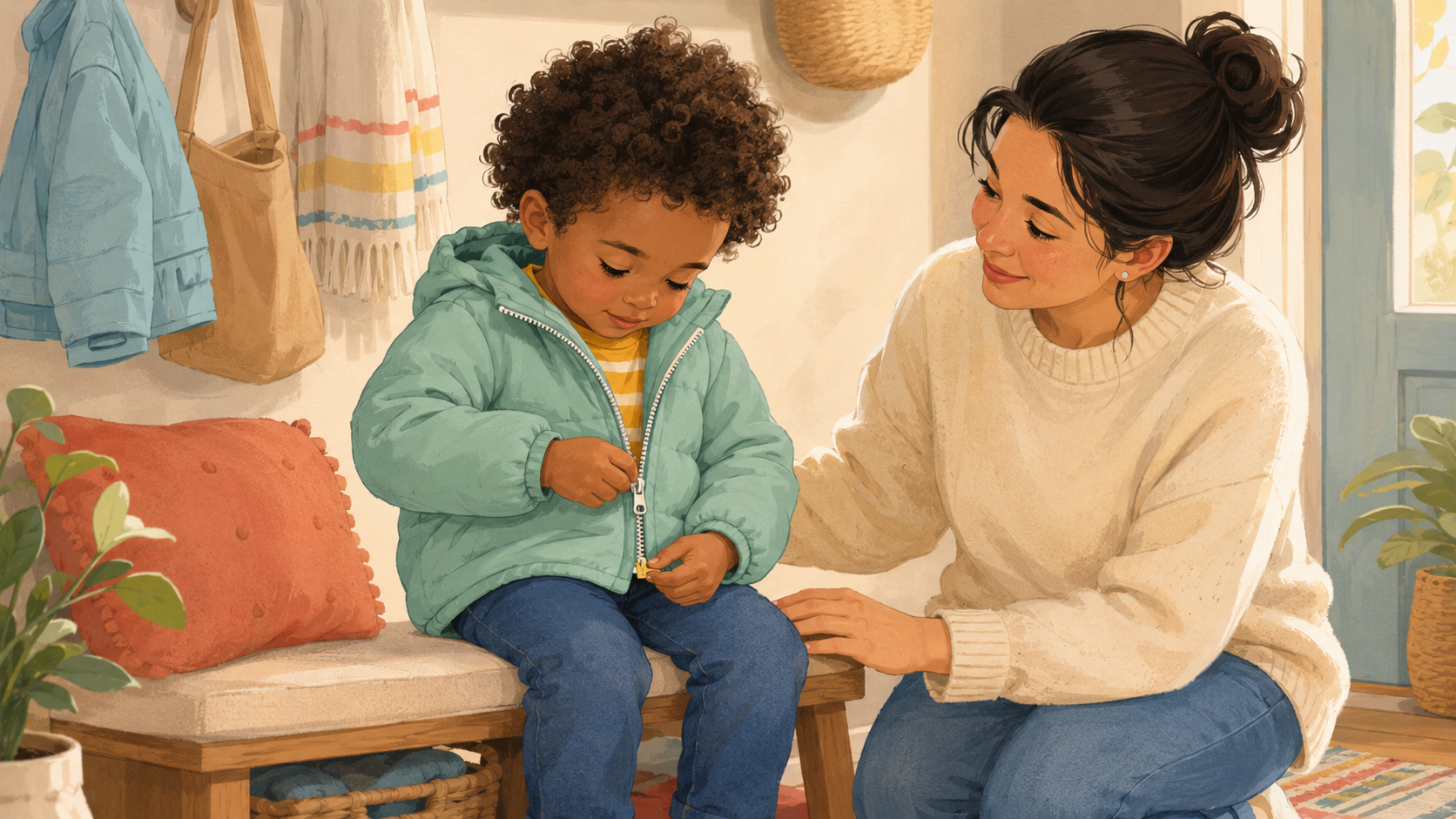
Fine motor & self-care
A calm, OT-informed way to teach the two-handed steps of starting and pulling a jacket zipper, with playful practice, sensory support, and safety guidance.
Read article →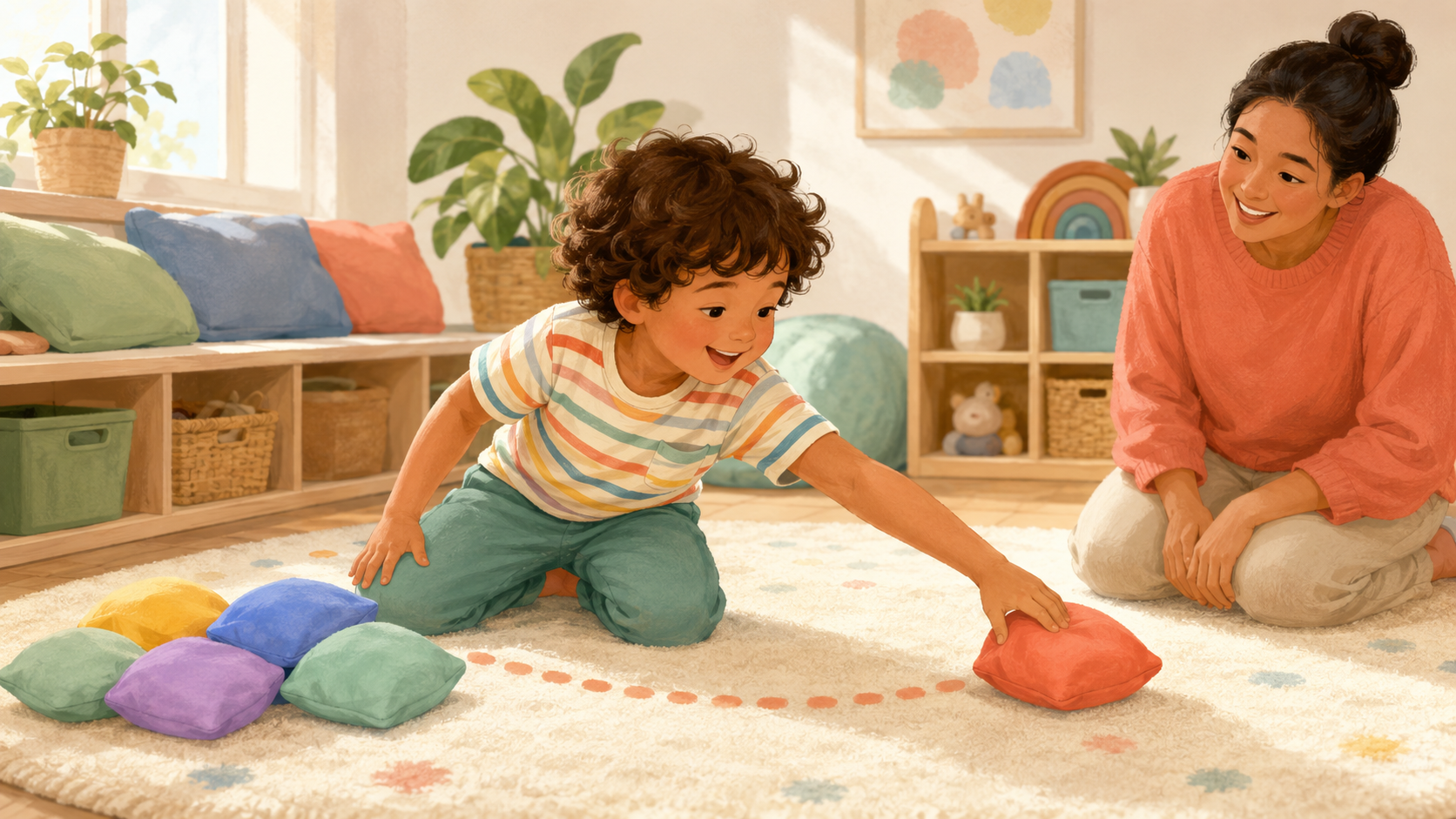
Movement & fine motor
Seven playful, OT-informed activities that help preschoolers reach across their bodies during drawing, dressing, play, and everyday routines.
Read article →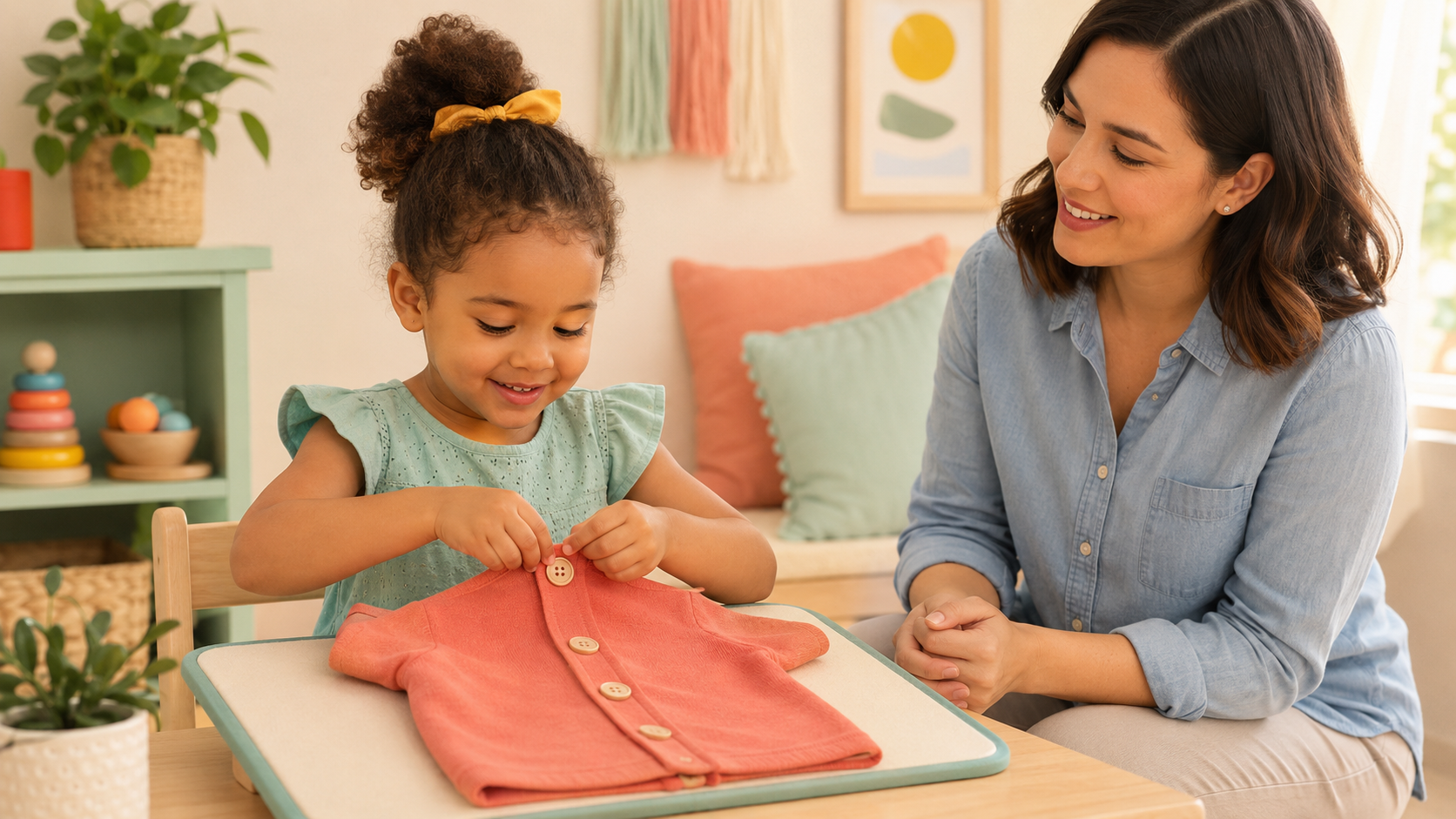
Fine motor & self-care
A calm, OT-informed way to teach unbuttoning and buttoning through stable positioning, backward chaining, playful hand practice, and safe clothing choices.
Read article →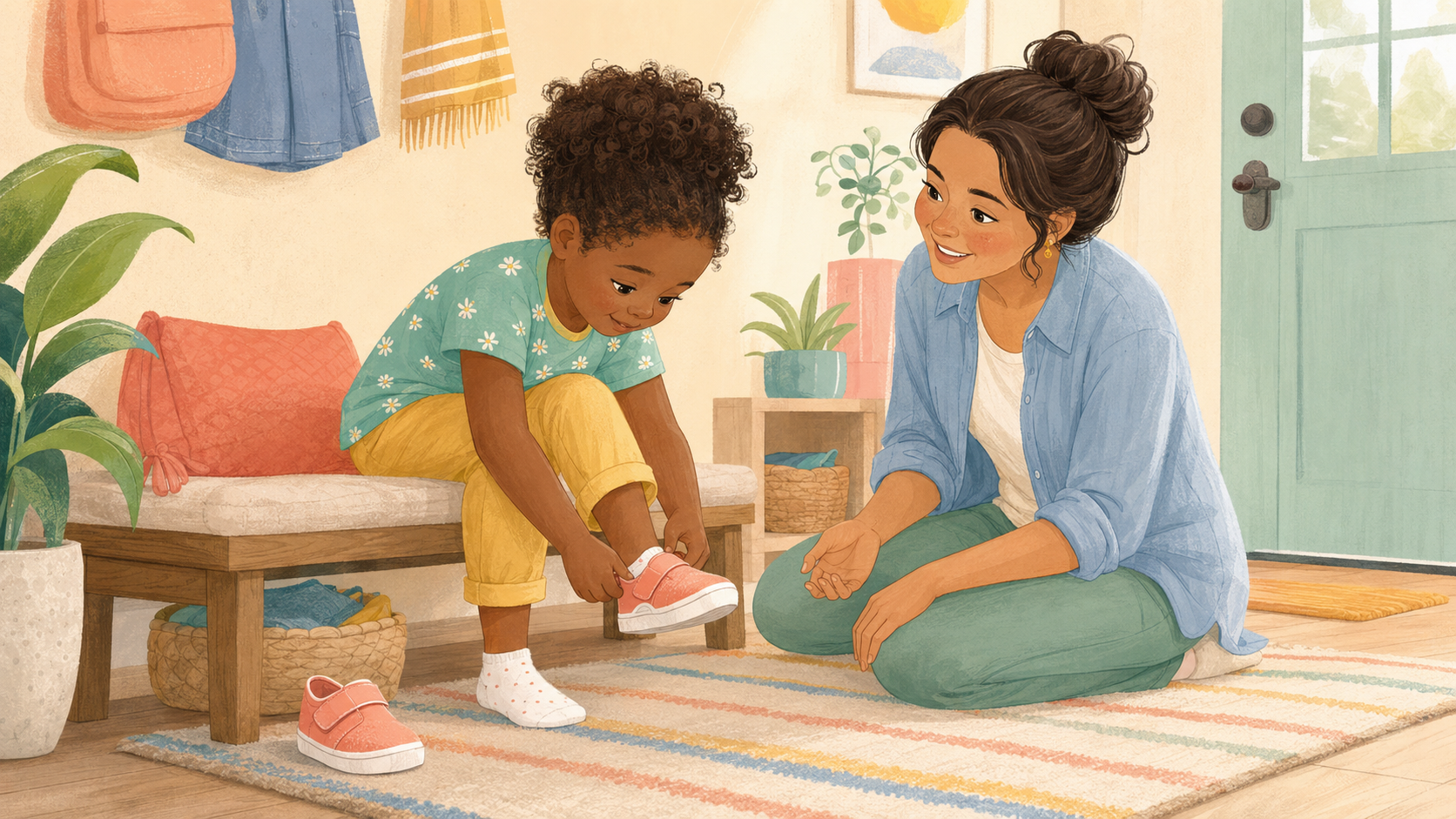
Self-care & motor planning
A calm, OT-informed way to teach children ages 2–5 to put on and fasten shoes through simple steps, backward chaining, and playful practice.
Read article →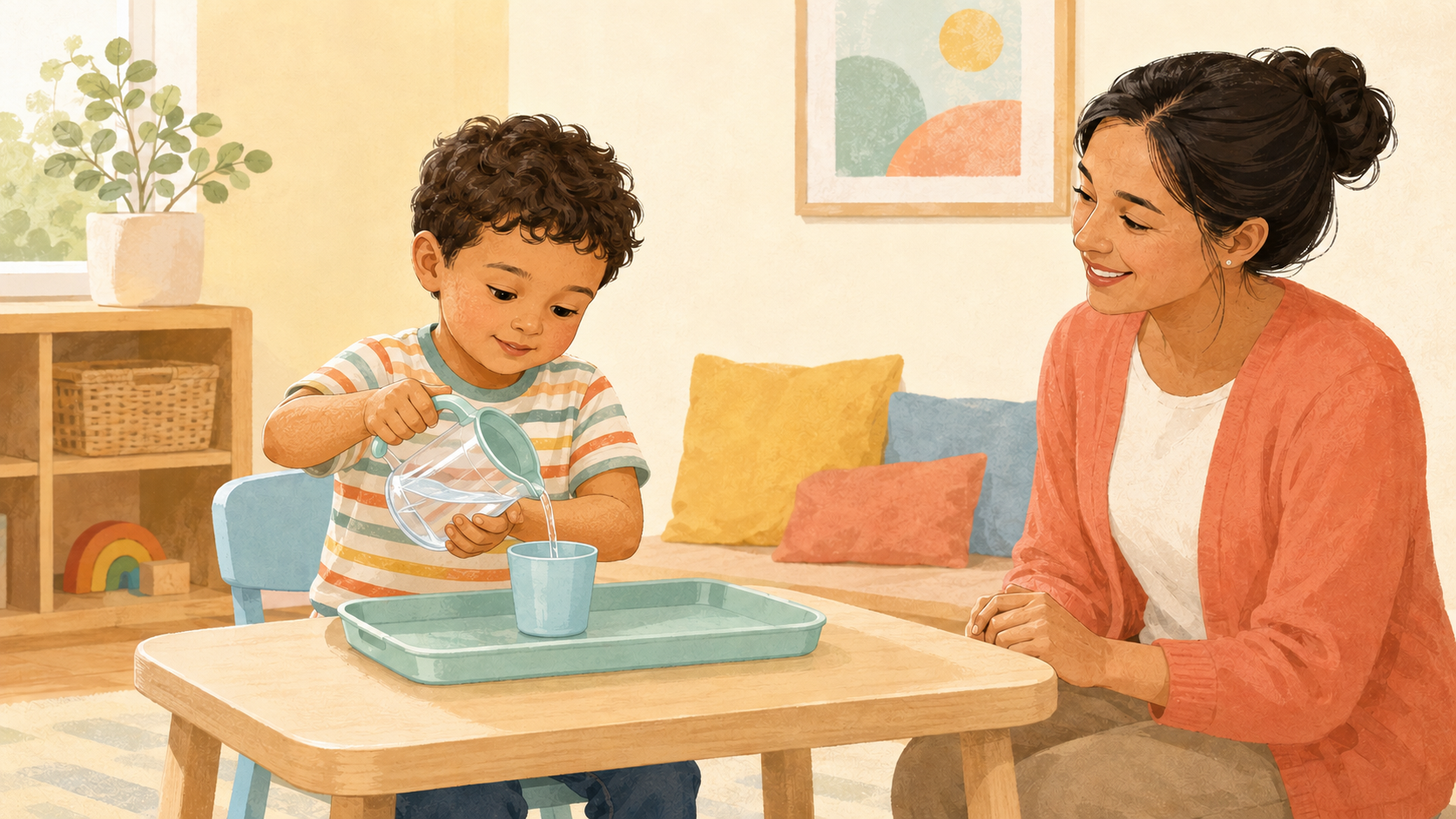
Self-care & bilateral coordination
A calm, OT-informed way to teach children ages 2–5 to pour from a small pitcher using two hands, graded control, and spill-friendly practice.
Read article →
Self-care & toileting readiness
A respectful, OT-informed way to help children ages 2–5 manage elastic-waist pants for dressing and toileting through stable positioning, simple cues, and graded practice.
Read article →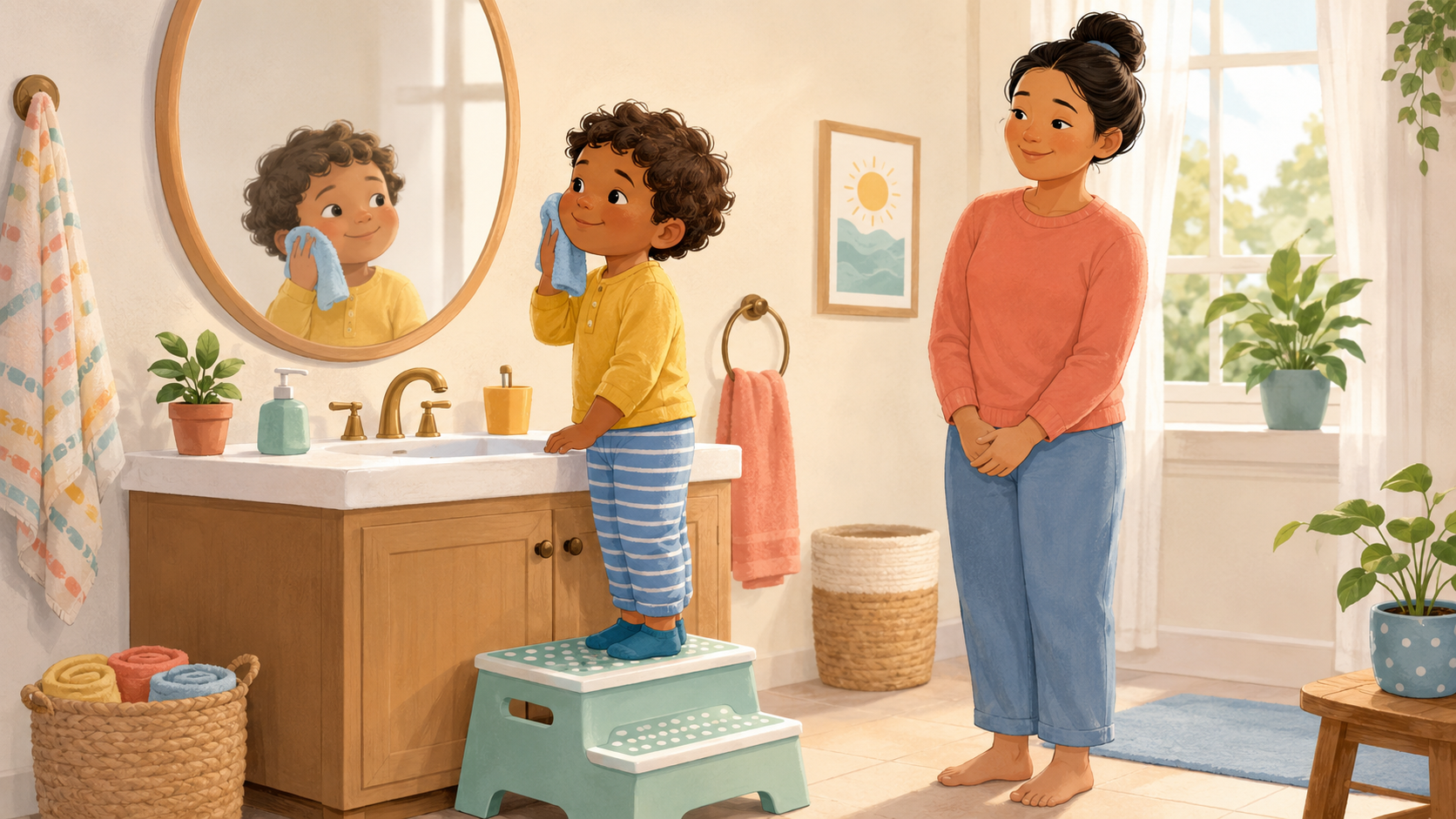
Self-care & sensory comfort
A gentle, OT-informed way to help children ages 2–5 learn face washing through a simple routine, sensory comfort, and graded practice.
Read article →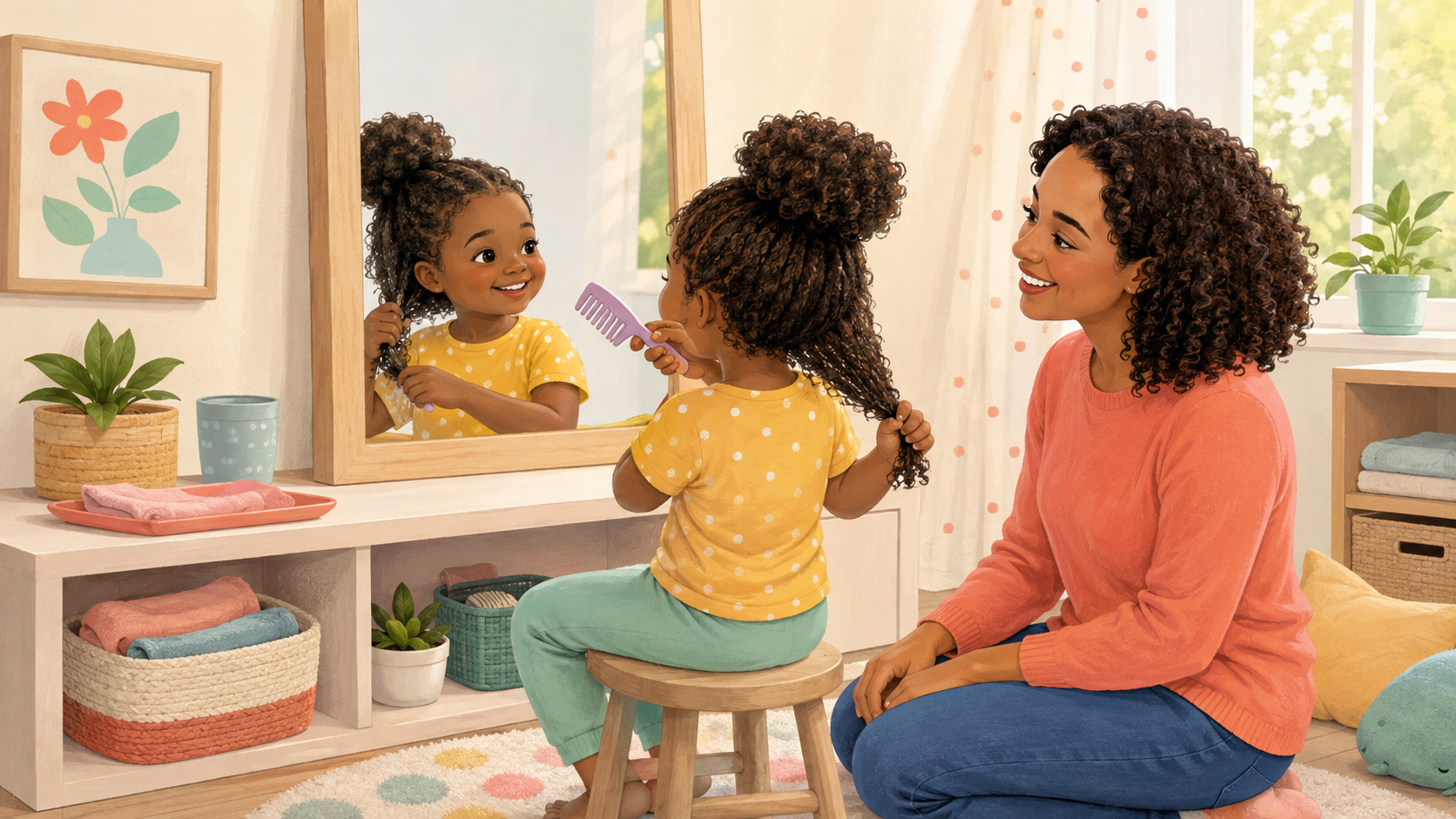
Self-care & sensory comfort
A gentle, OT-informed way to help children ages 2–5 learn hair brushing through child-friendly tools, detangling from the ends, sensory support, and graded practice.
Read article →
Dressing & bilateral coordination
A calm, OT-informed way to help children ages 2–5 take off a T-shirt or sweatshirt using stable positioning, a simple sequence, and graded practice.
Read article →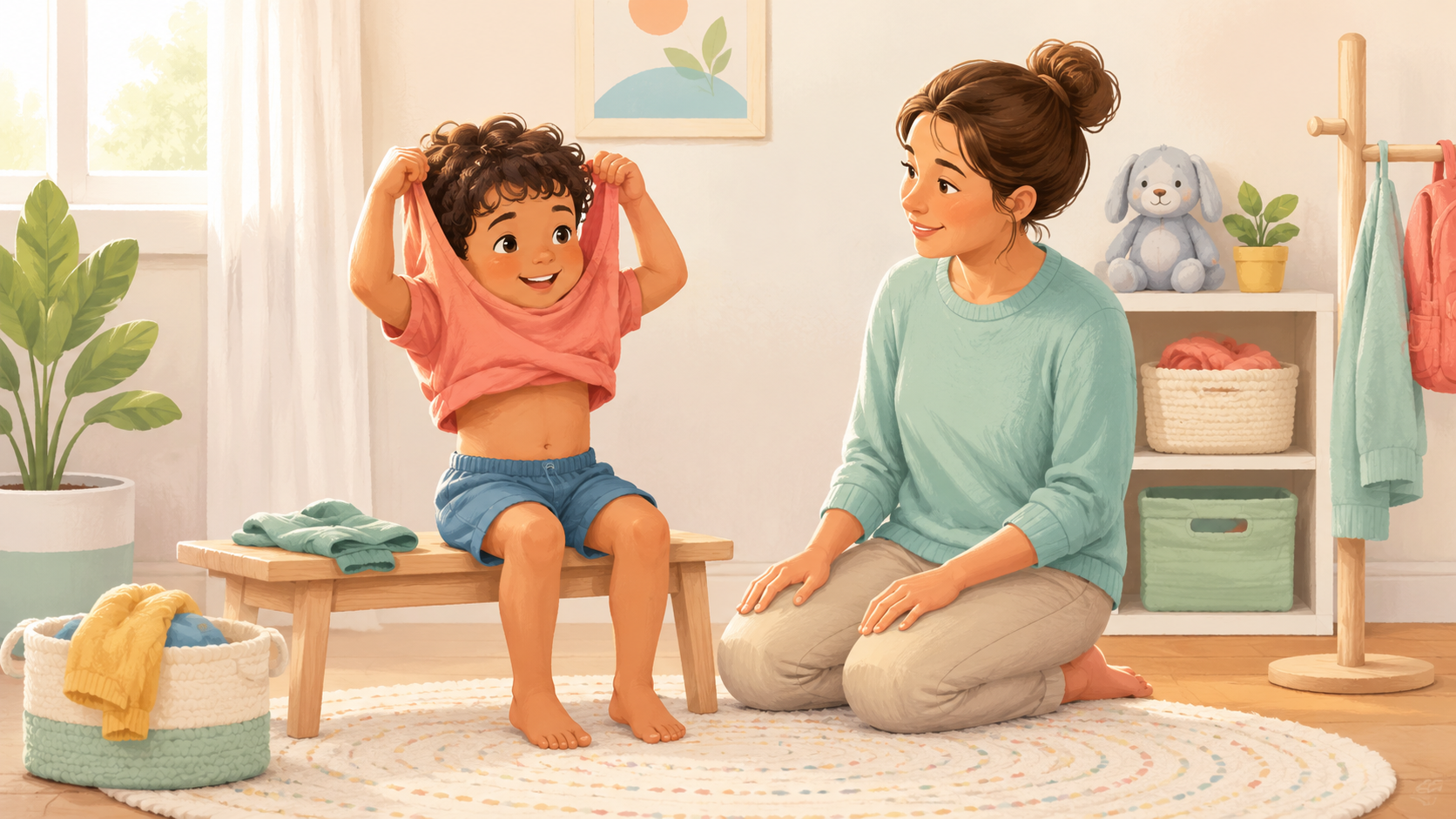
Dressing & motor planning
A calm, OT-informed way to help children ages 2–5 put on a T-shirt using easy clothing, a simple sequence, and graded practice.
Read article →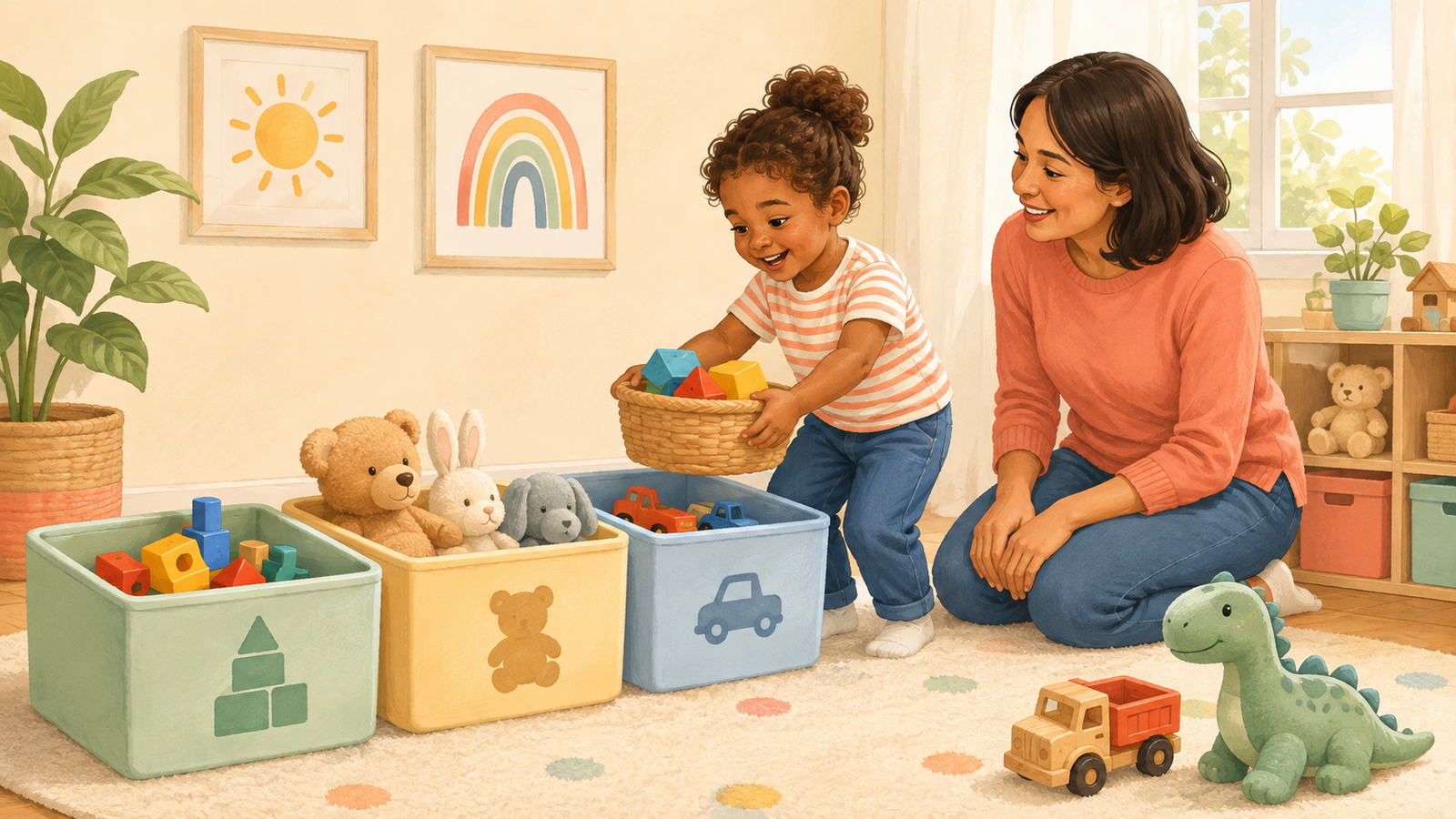
Play routines & independence
An OT-informed cleanup routine for children ages 2–5 using small jobs, picture cues, simple sorting, movement breaks, and calm practice.
Read article →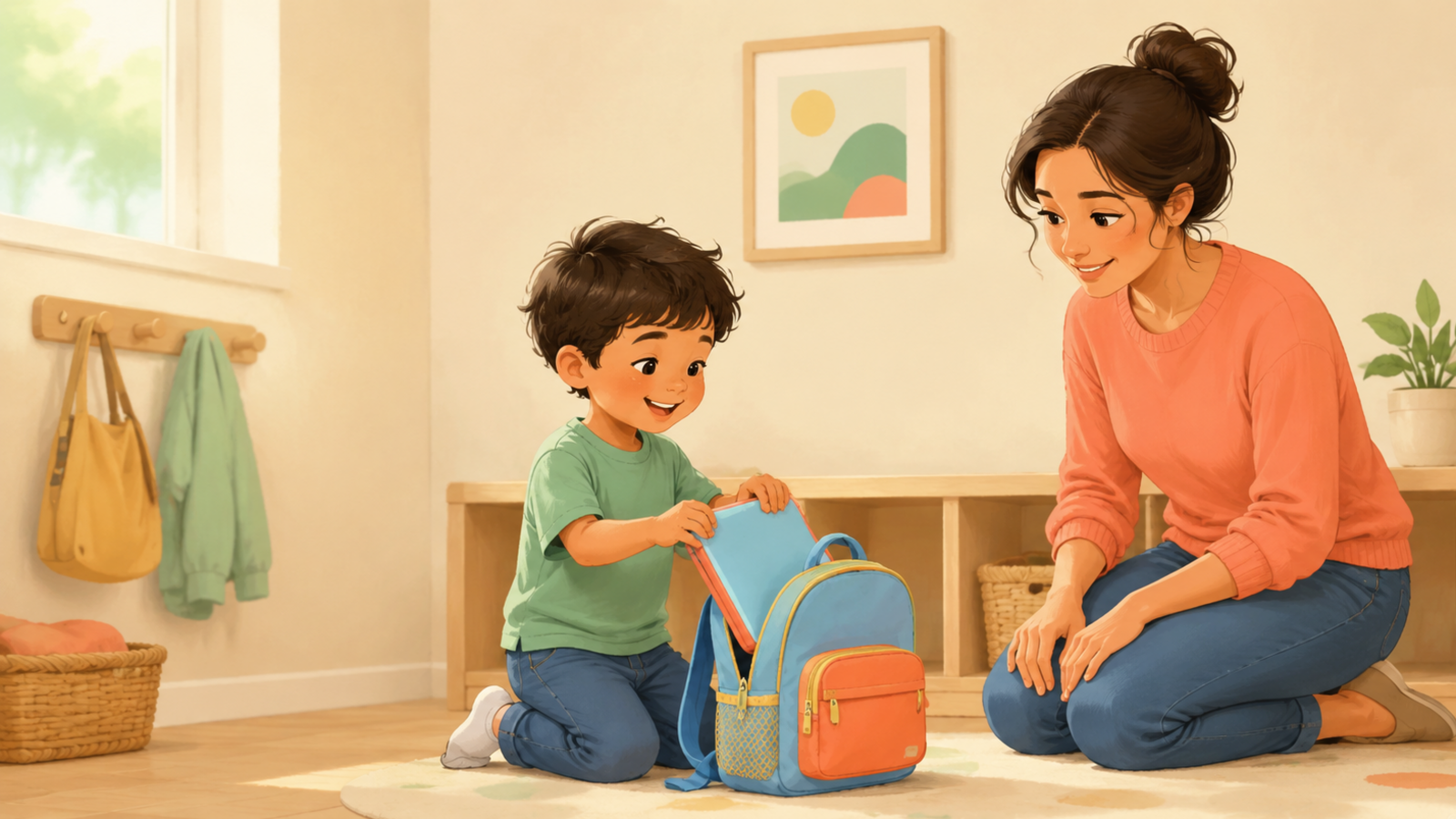
Preschool routines & independence
An OT-informed preschool routine for packing a small backpack, using two straps, and building independence without overloading little bodies.
Read article →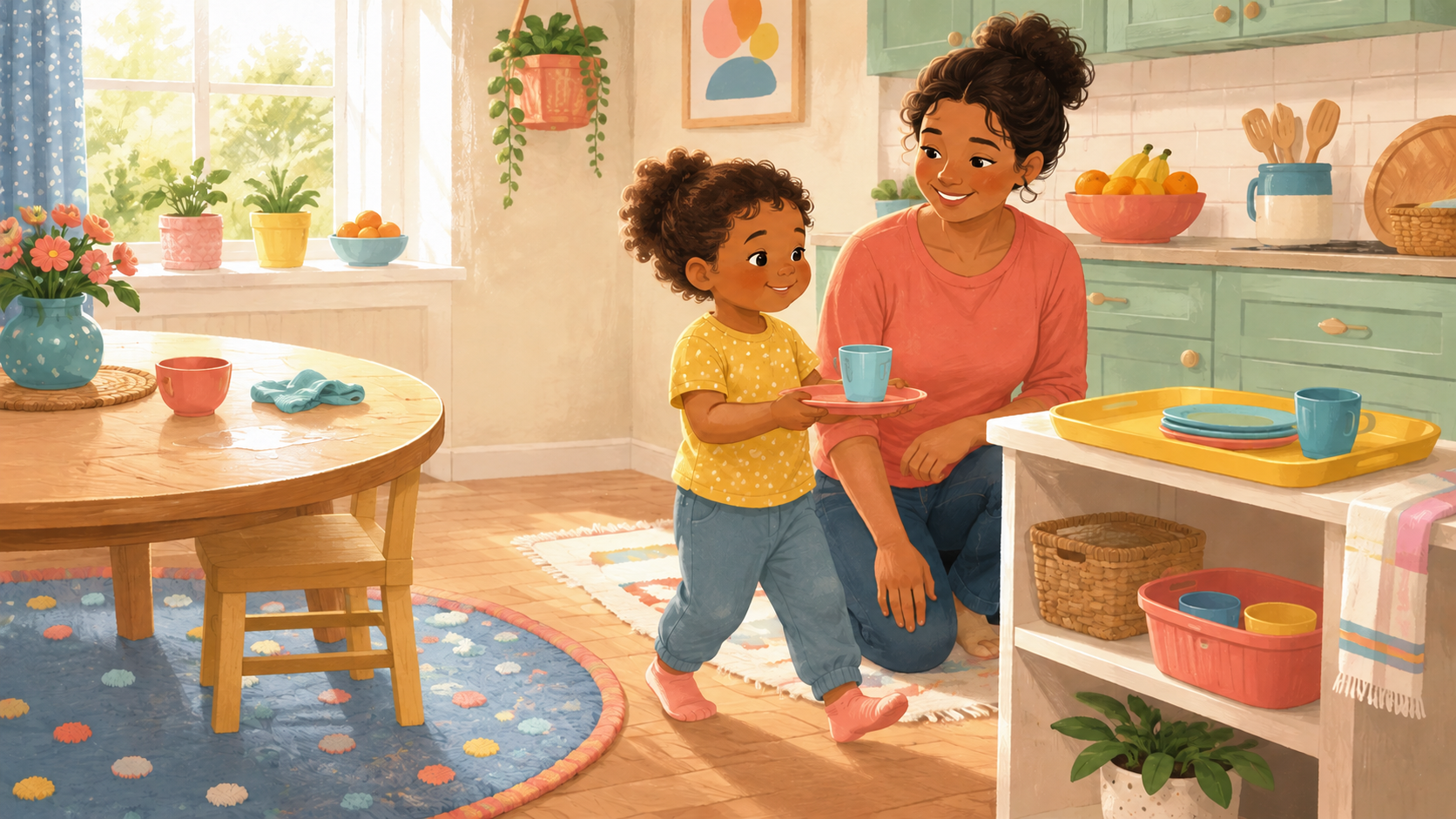
Mealtime routines & independence
An OT-informed mealtime cleanup routine for children ages 2–5 using safe dishes, two-handed carrying, small wiping jobs, and graded help.
Read article →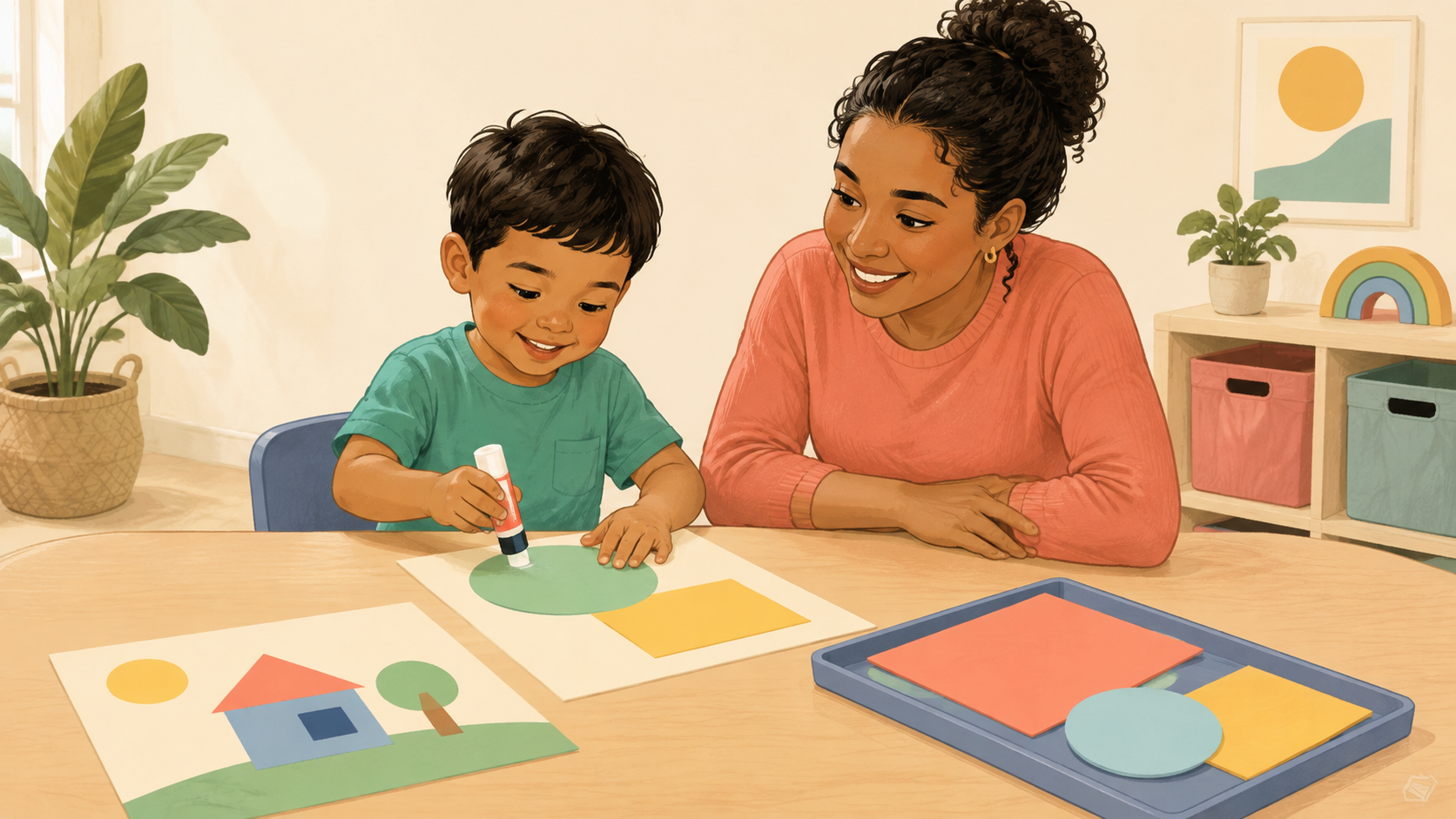
Fine motor & preschool readiness
An OT-informed craft routine for children ages 2–5 using a stable setup, two-hand coordination, simple visual steps, and close adult supervision.
Read article →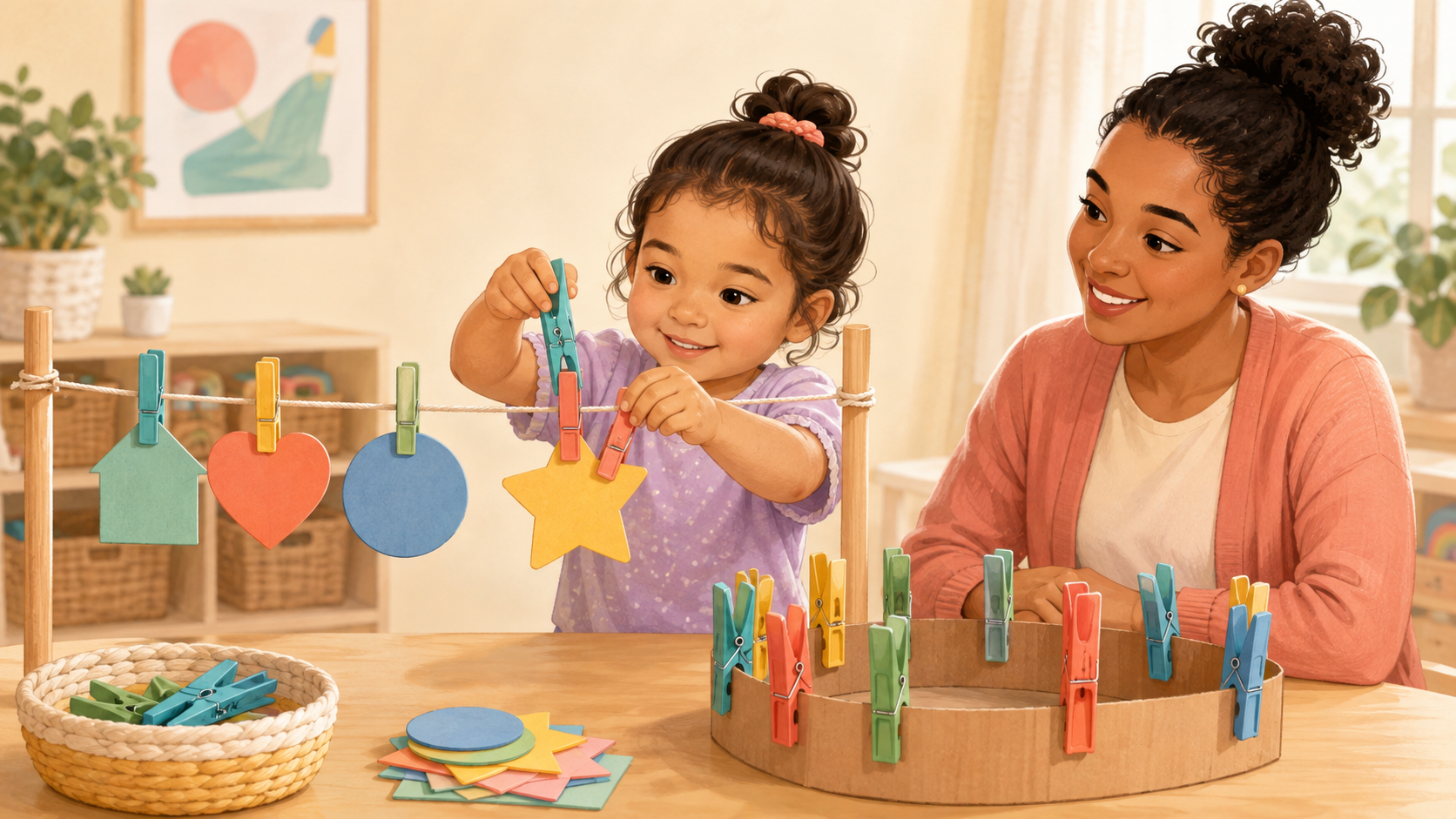
Fine motor & bilateral coordination
Seven playful, OT-informed clothespin activities for preschoolers that support hand strength, pincer grasp, visual-motor skills, and two-hand coordination.
Read article →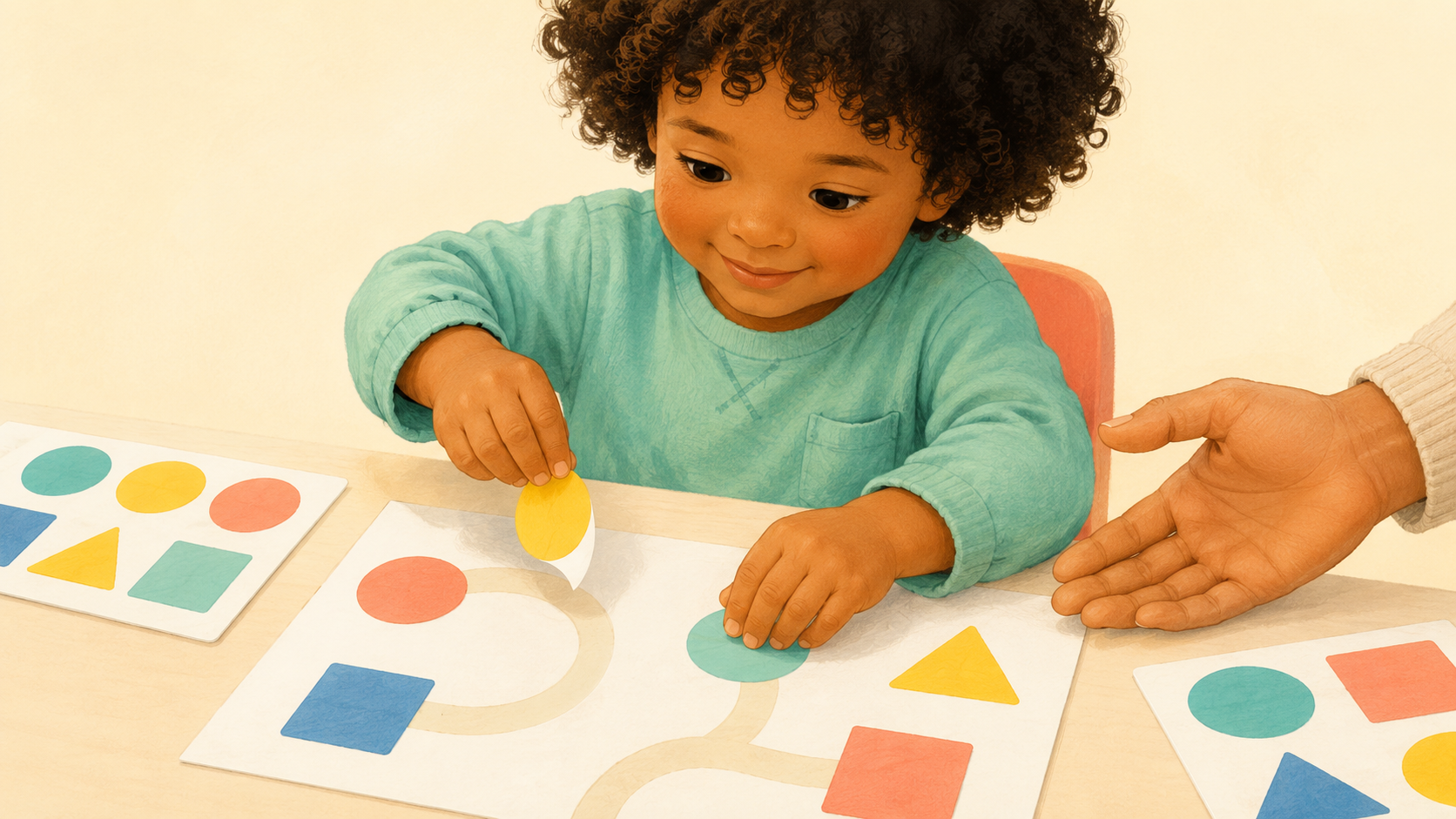
Fine motor & pre-writing readiness
Seven playful, OT-informed sticker activities for children ages 2–5 that support pincer grasp, bilateral coordination, visual-motor skills, and preschool independence.
Read article →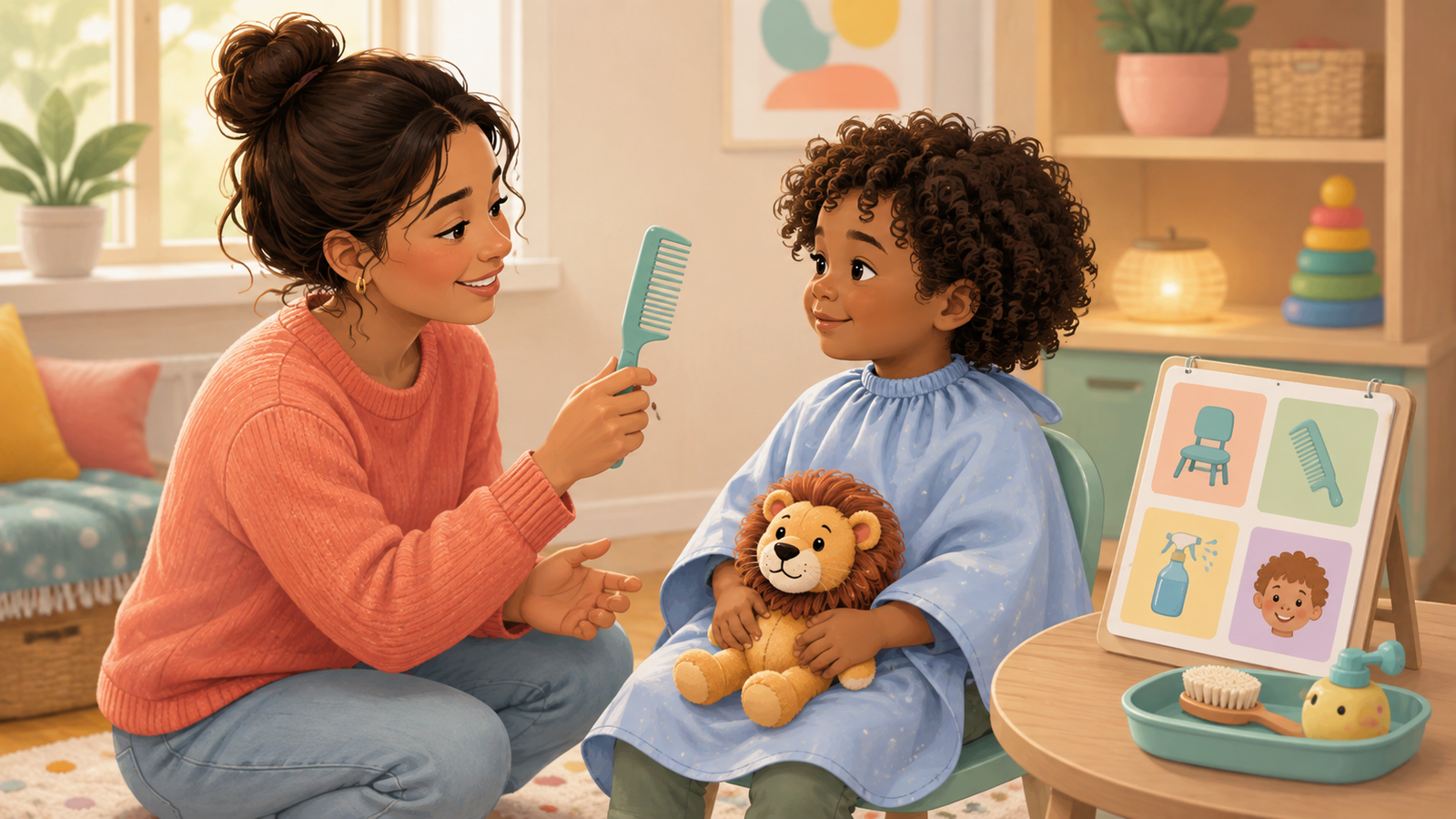
Sensory processing & self-care
A calm, OT-informed plan for children ages 2–5 using preview, choice, gradual practice, communication, and a predictable haircut routine.
Read article →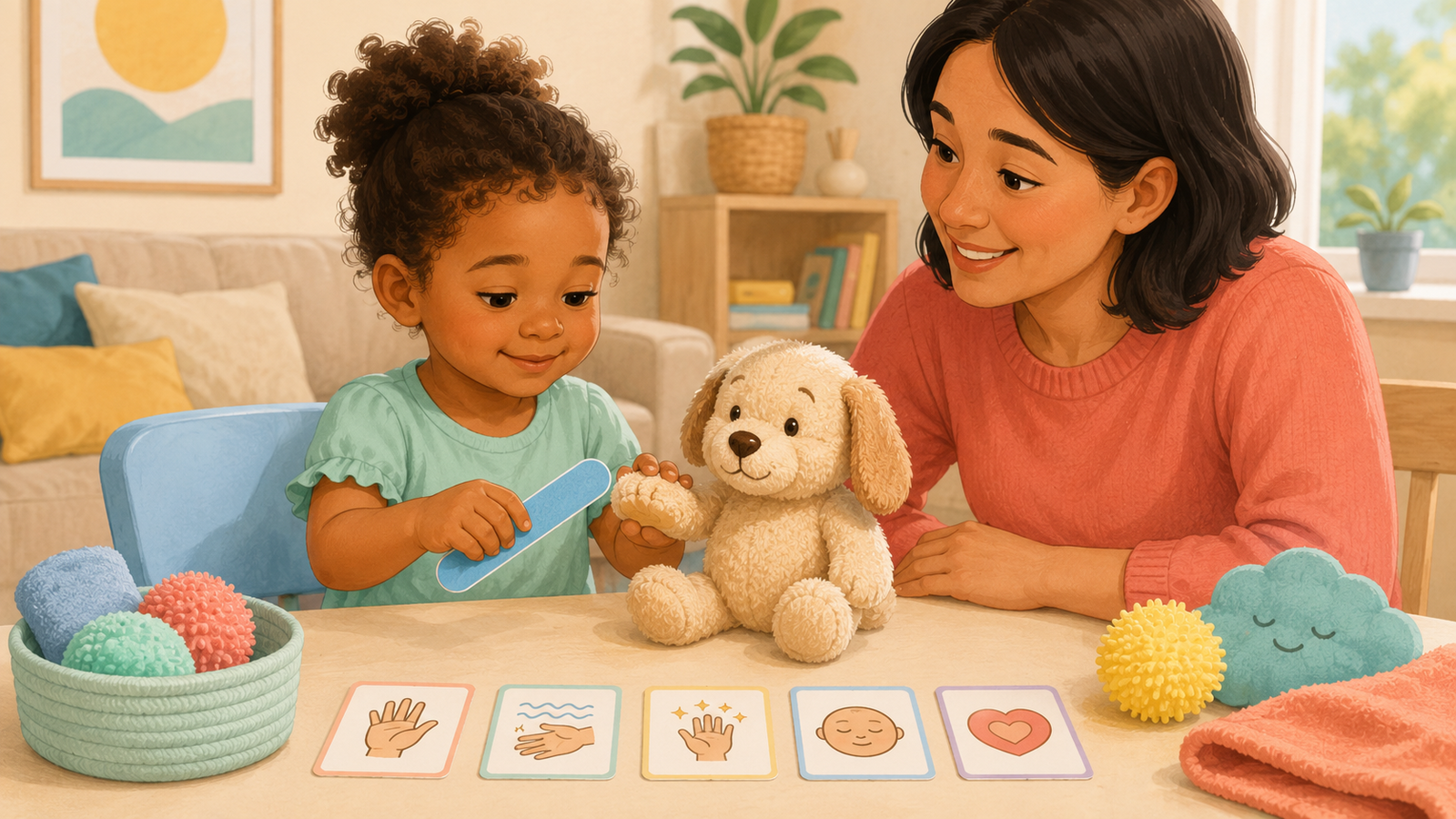
Self-care & sensory comfort
A gentle, OT-informed plan for helping children ages 2–5 participate in nail care through preparation, choice, gradual practice, and safe positioning.
Read article →
Fine motor development
A practical, play-based guide to emerging hand skills at age 3, with easy activities and signs that extra support may help.
Read article →
Fine motor development
Understand common fine motor skills around age 4 and use simple play to support drawing, tools, fasteners, and two-handed coordination.
Read article →
Fine motor development
A parent-friendly guide to hand skills that support kindergarten routines, drawing, cutting, dressing, and classroom participation.
Read article →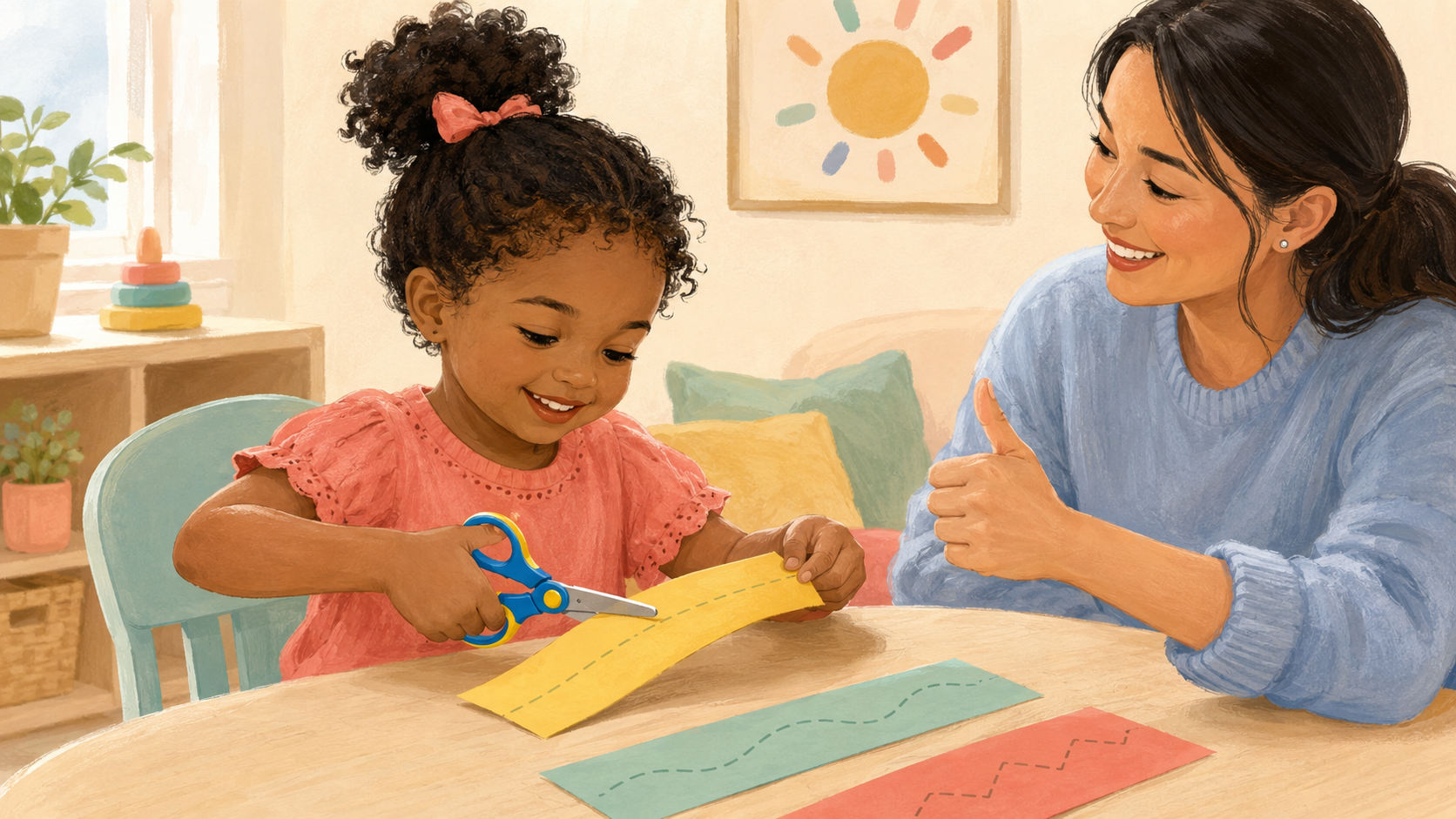
Fine motor & scissor skills
Learn how scissor skills typically progress, which foundations come first, and how to teach cutting safely through play.
Read article →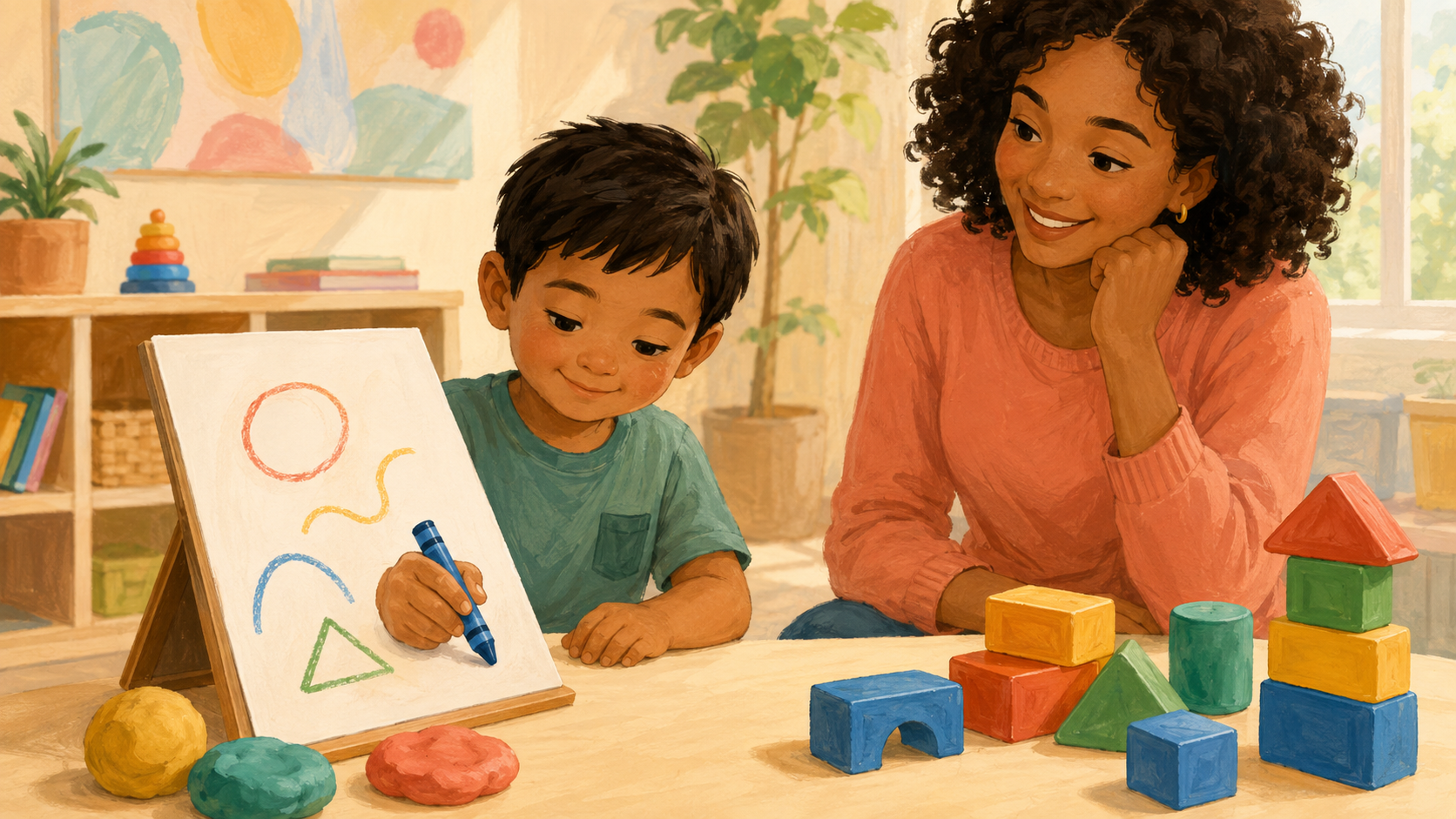
Fine motor & pre-writing
Understand how pencil grasp changes in early childhood and how to support comfortable, efficient drawing without forcing a perfect grip.
Read article →Pencil grasp & pre-writing
Learn what a tripod grasp looks like, why it can support pencil control, and why function matters more than a perfect finger position.
Read article →Pencil grasp & handwriting readiness
A practical way to decide when a preschool pencil grasp needs support and when an unusual grasp may still be functional.
Read article →Pencil grasp development
Understand why young children use a whole-hand grasp and how play, posture, and appropriately sized tools support development.
Read article →Pencil grasp & fine motor
Simple OT-informed strategies for improving comfort, control, and confidence with crayons and pencils without constant correction.
Read article →Pre-writing development
Explore the play, movement, visual-motor, and self-care foundations children build before forming letters and writing their names.
Read article →Pre-writing milestones
Learn the usual progression from scribbling to lines, circles, crosses, diagonals, and early shapes without turning milestones into a test.
Read article →Fine motor & pre-writing
Play-based activities that build the strength, coordination, visual attention, and tool control children use during early writing.
Read article →Hand strength & handwriting readiness
Seven practical ways to strengthen preschool hands through safe play while supporting pencil control and endurance.
Read article →Name writing & school readiness
Look beyond age to the pre-writing, visual, language, attention, and motor foundations that support learning to write a name.
Read article →Sensory processing
Understand how the brain notices, organizes, and responds to sensory information during play, learning, self-care, and family routines.
Read article →Sensory processing & regulation
Learn how sensory-seeking and sensory-avoiding responses may look—and why the same child can show both in different situations.
Read article →Sensory participation
Recognize patterns that may interfere with dressing, eating, grooming, sleep, play, preschool participation, or family routines.
Read article →Proprioception & body awareness
Learn how muscle-and-joint feedback supports body awareness, force, posture, movement, and regulation in everyday childhood.
Read article →Vestibular processing
A clear guide to the movement-and-balance sense, including how it supports posture, eye control, attention, and safe movement.
Read article →Touch processing & self-care
Understand strong responses to touch, clothing, grooming, and messy play, with respectful ways to support participation.
Read article →Tactile sensitivity & play
Explore tactile sensitivity, predictability, control, and practical ways to make messy play safer and more manageable.
Read article →Sound sensitivity
Common reasons children cover their ears, what to observe, and practical support for loud or unpredictable environments.
Read article →Movement seeking & safety
Understand movement and body-pressure seeking while creating safer opportunities for active preschool play.
Read article →Proprioception & heavy work
Safe pushing, pulling, carrying, and resistance activities that can support body awareness and participation in daily routines.
Read article →Sensory regulation
Gentle, practical sensory ideas with an emphasis on individual response, predictable routines, and emotional safety.
Read article →Sensory play for preschoolers
Simple movement, touch, sound, and body-awareness activities for ages 3–5, with practical safety and participation guidance.
Read article →