Teach one step
Practice the hardest part separately and use backward chaining so the child finishes the routine.
DRESSING • HYGIENE • ROUTINES
Step-by-step support for dressing, toileting readiness, handwashing, toothbrushing, grooming, and daily independence.
A parent-friendly starting point
Self-care grows through hundreds of small attempts. Break routines into teachable steps, change the environment so the child can reach and participate, and give only the amount of help needed for success.
Practice the hardest part separately and use backward chaining so the child finishes the routine.
Pause, then try a short cue, gesture, model, or partial physical support.
Celebrate fewer prompts, calmer participation, and asking for help—not only full independence.
Practical articles
12 articles available
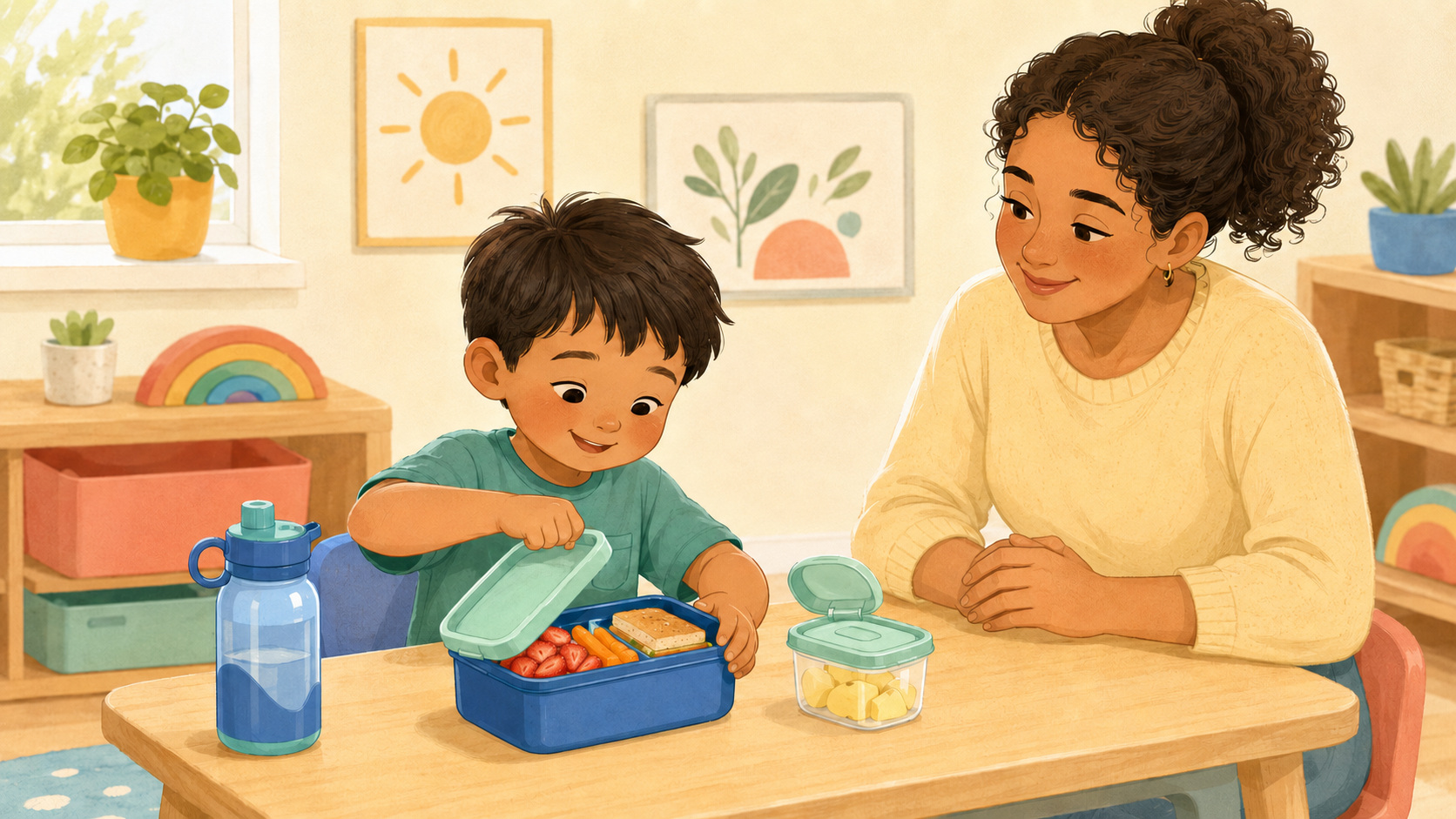
Simple OT-informed ways to practice lunchbox zippers, lids, pouches, and containers before preschool.
Read article →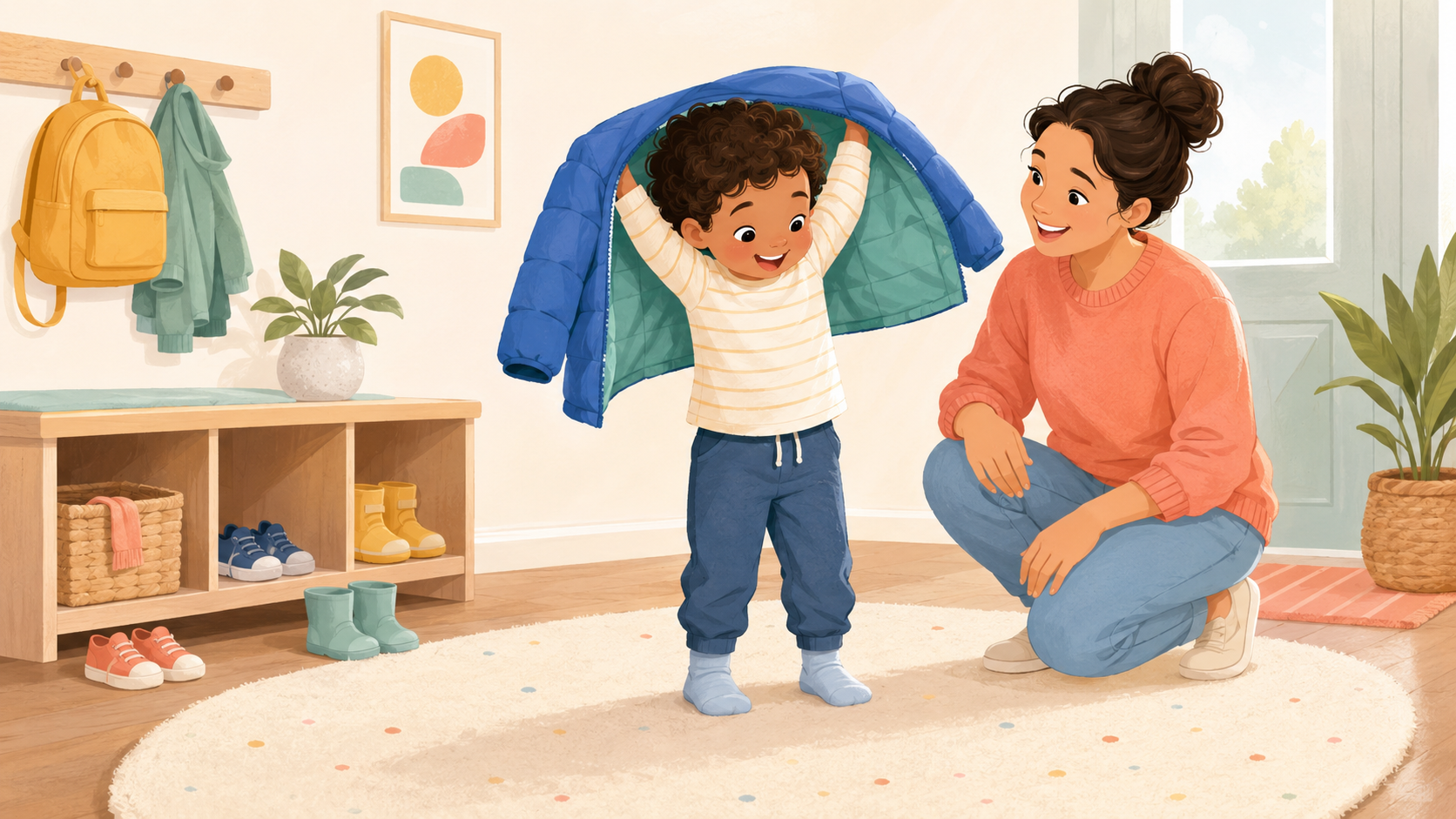
A playful, step-by-step way to teach the coat-flip method and make getting dressed easier for children ages 2–5.
Read article →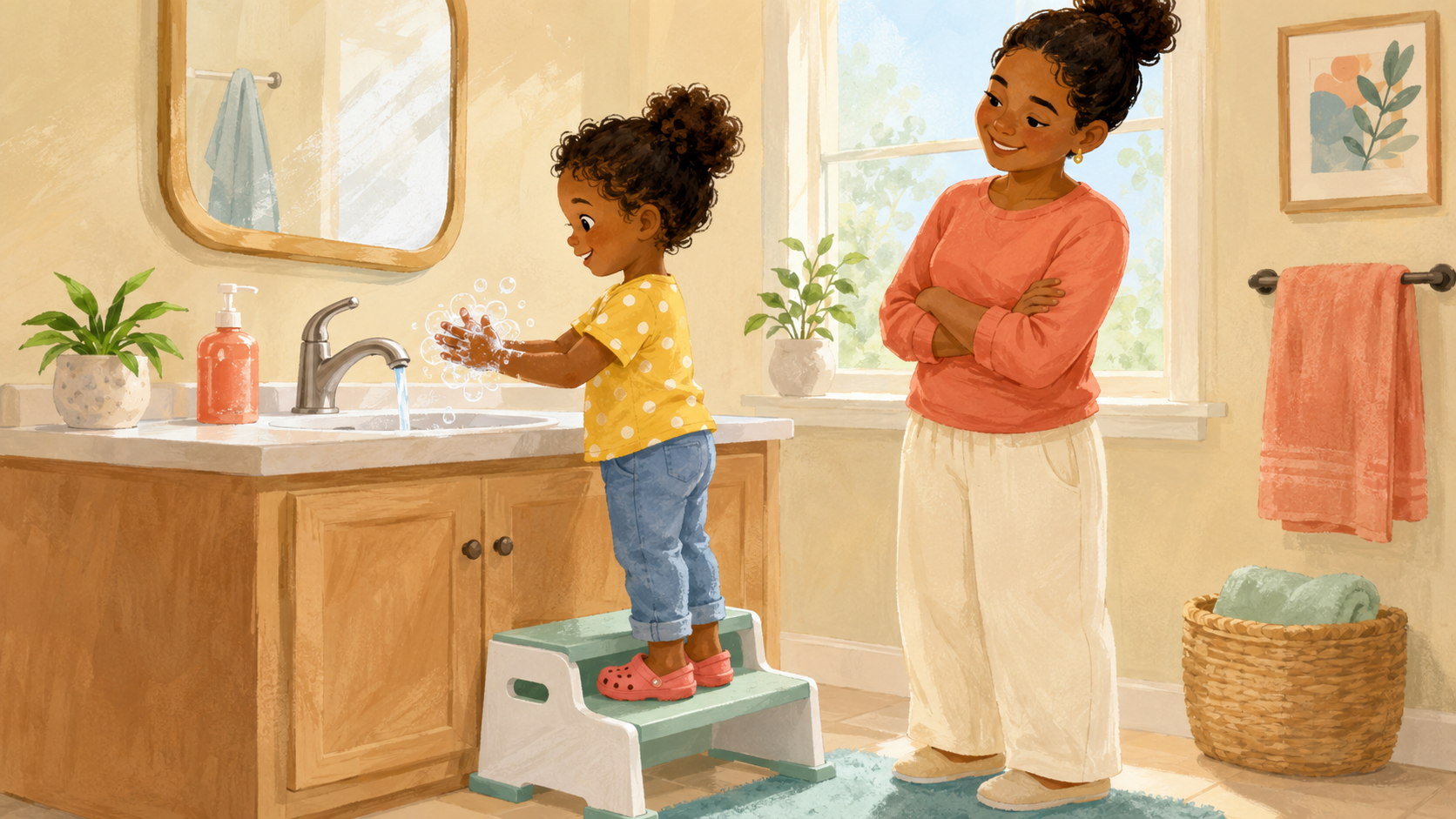
A simple six-step handwashing routine with playful OT-informed practice ideas for children ages 2–5.
Read article →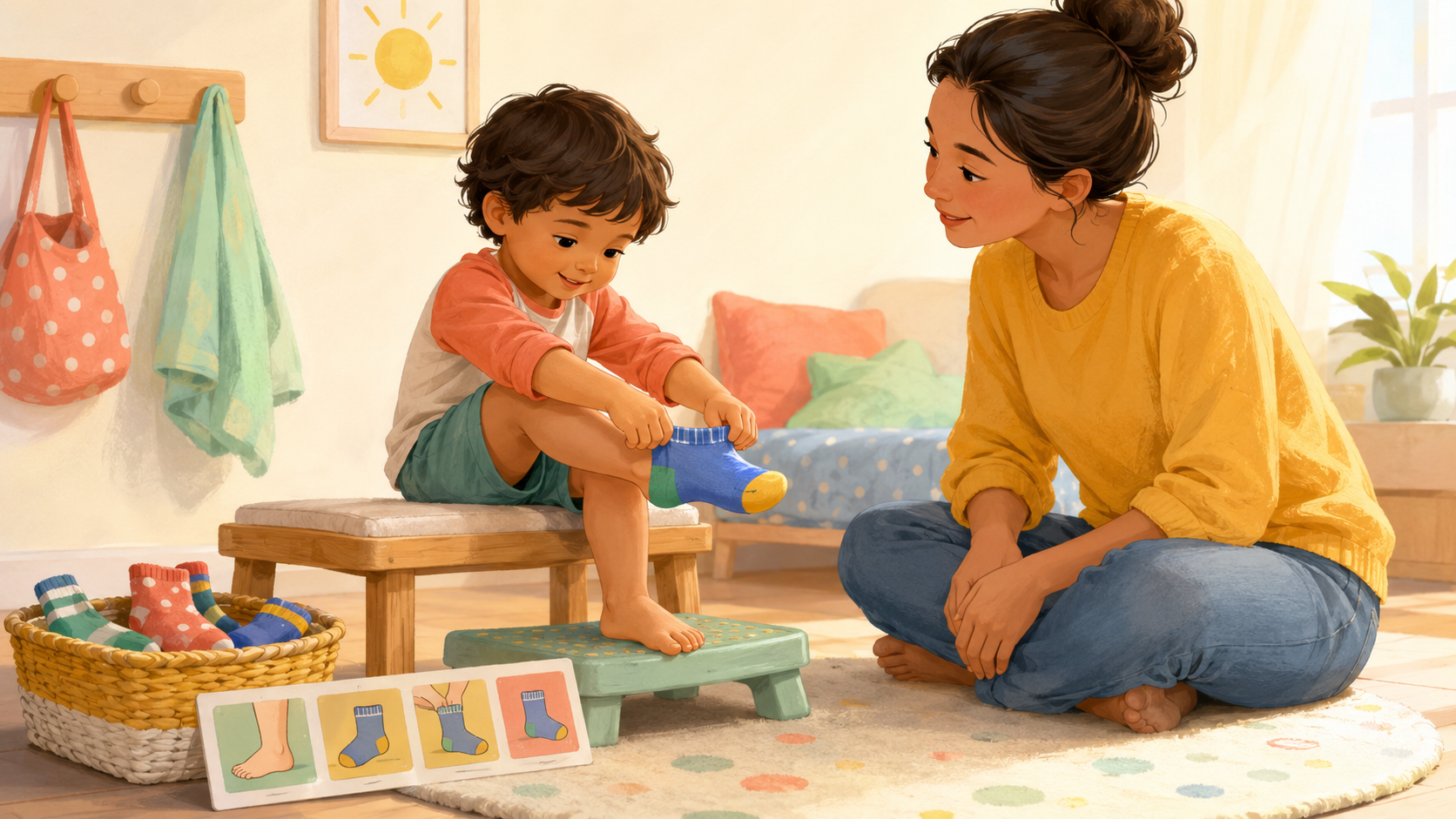
A simple OT-informed way to teach sock dressing through setup, backward chaining, and playful two-hand practice.
Read article →
A calm, step-by-step way to practice open-cup drinking with safer setup, tiny pours, and supportive OT-informed cues.
Read article →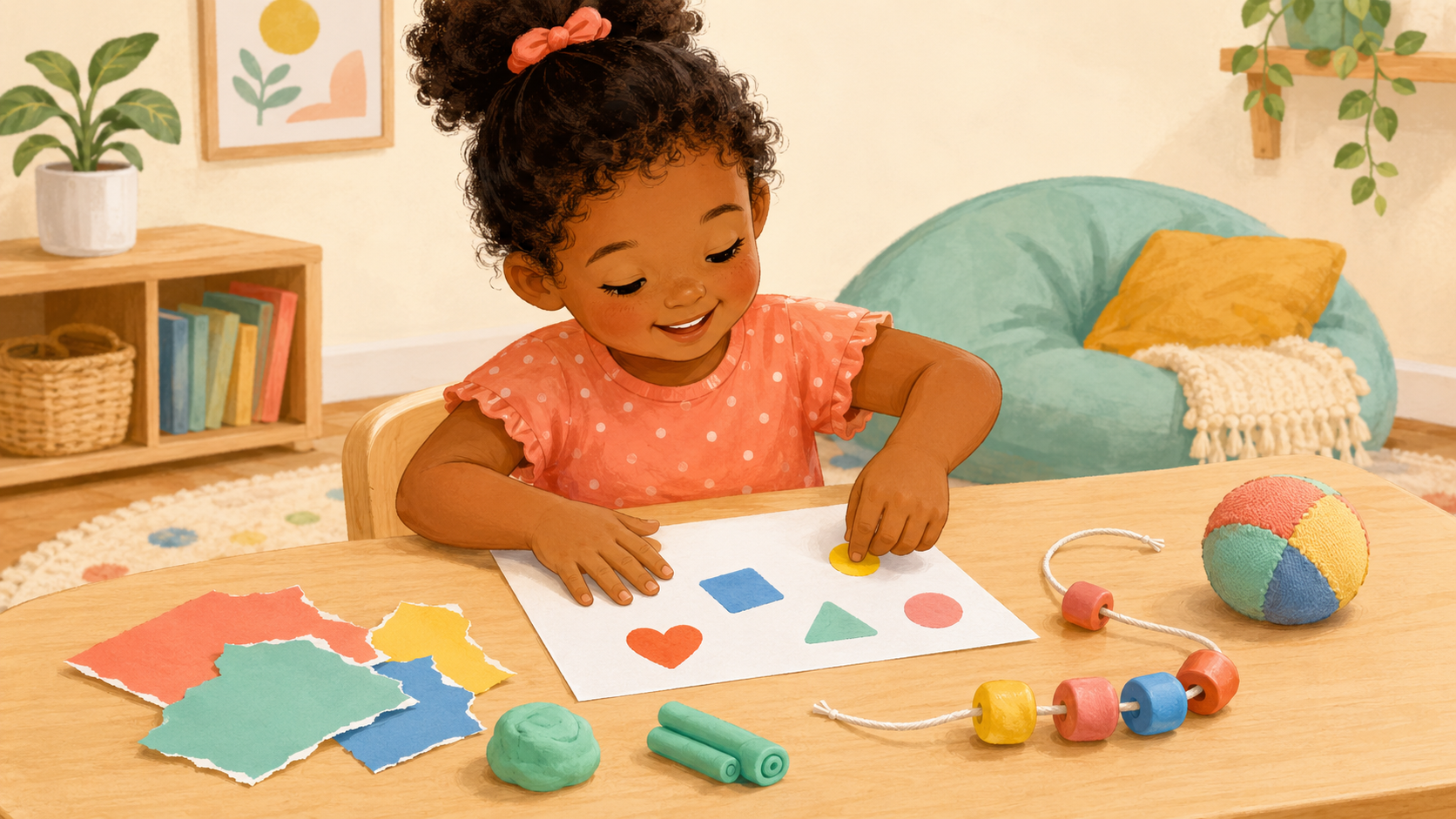
Easy everyday games that help preschoolers use both hands together for dressing, cutting, drawing, and play.
Read article →
A calm, practical way to build utensil skills through stable seating, child-sized tools, playful practice, and low-pressure meals.
Read article →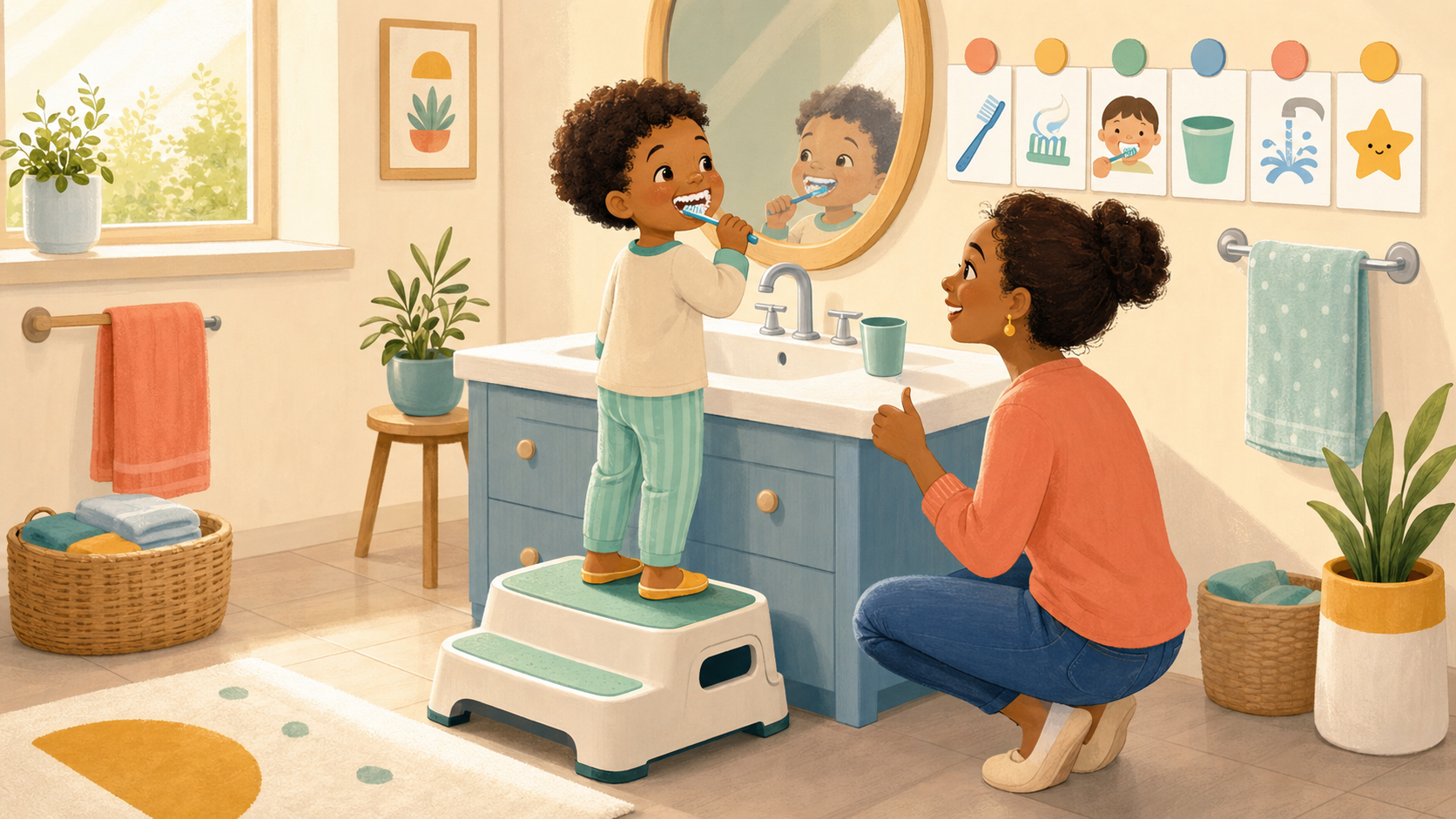
A calm, OT-informed toothbrushing routine with practical setup, playful skill-building, sensory support, and clear safety guidance.
Read article →
A gentle, OT-informed routine that teaches nose blowing through simple airflow games, a clear sequence, sensory support, and healthy hygiene habits.
Read article →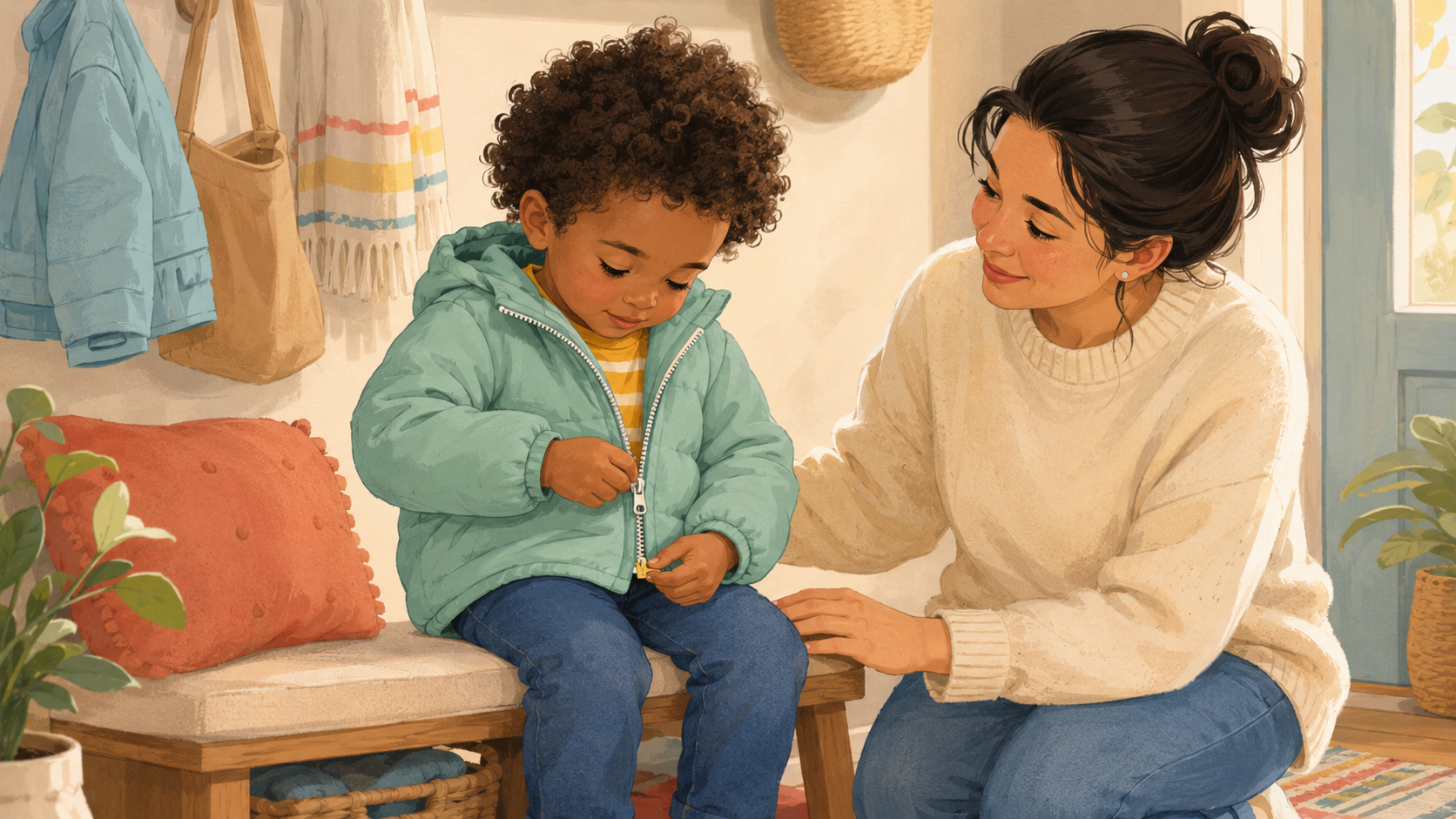
A calm, OT-informed way to teach the two-handed steps of starting and pulling a jacket zipper, with playful practice, sensory support, and safety guidance.
Read article →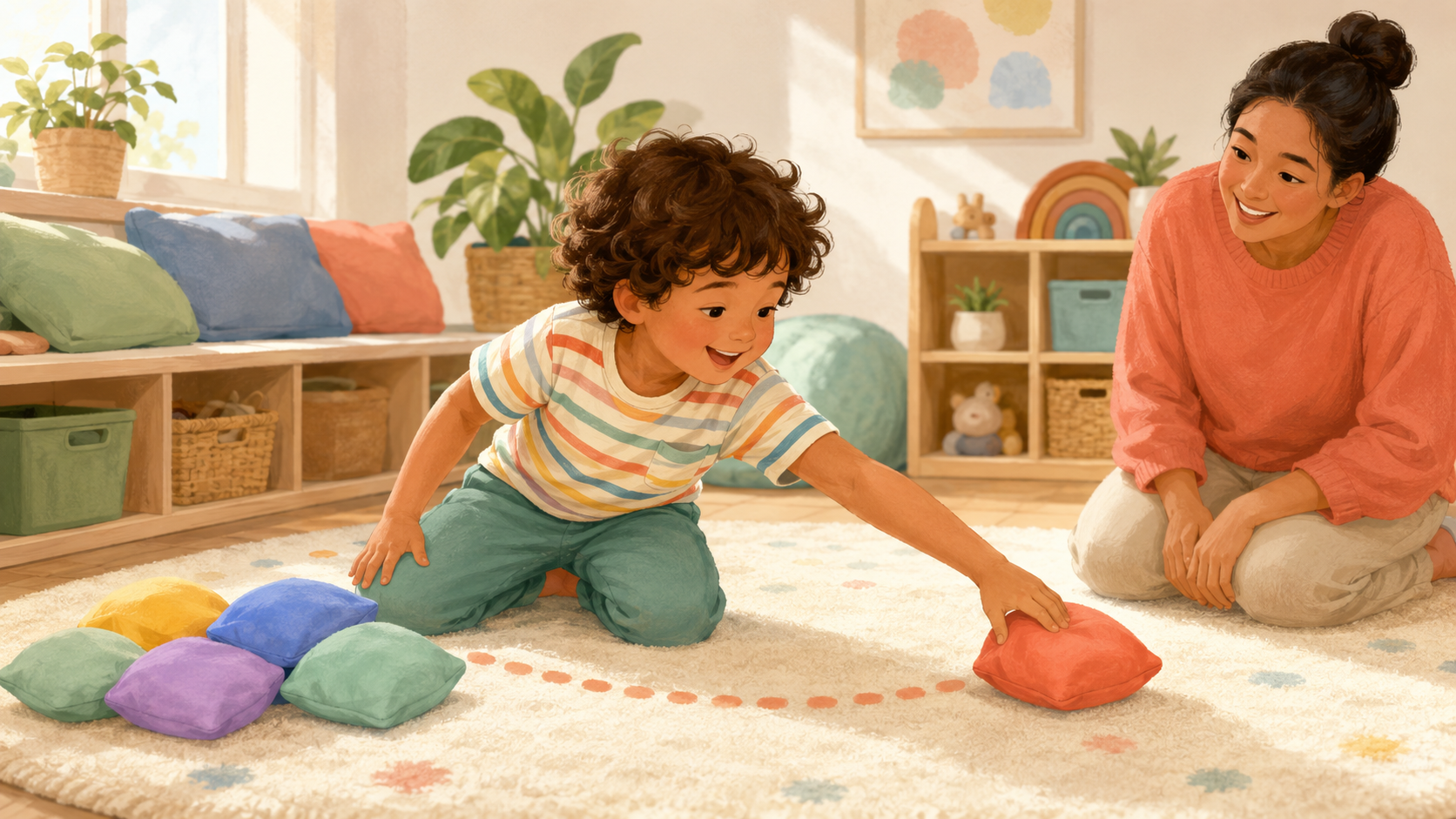
Seven playful, OT-informed activities that help preschoolers reach across their bodies during drawing, dressing, play, and everyday routines.
Read article →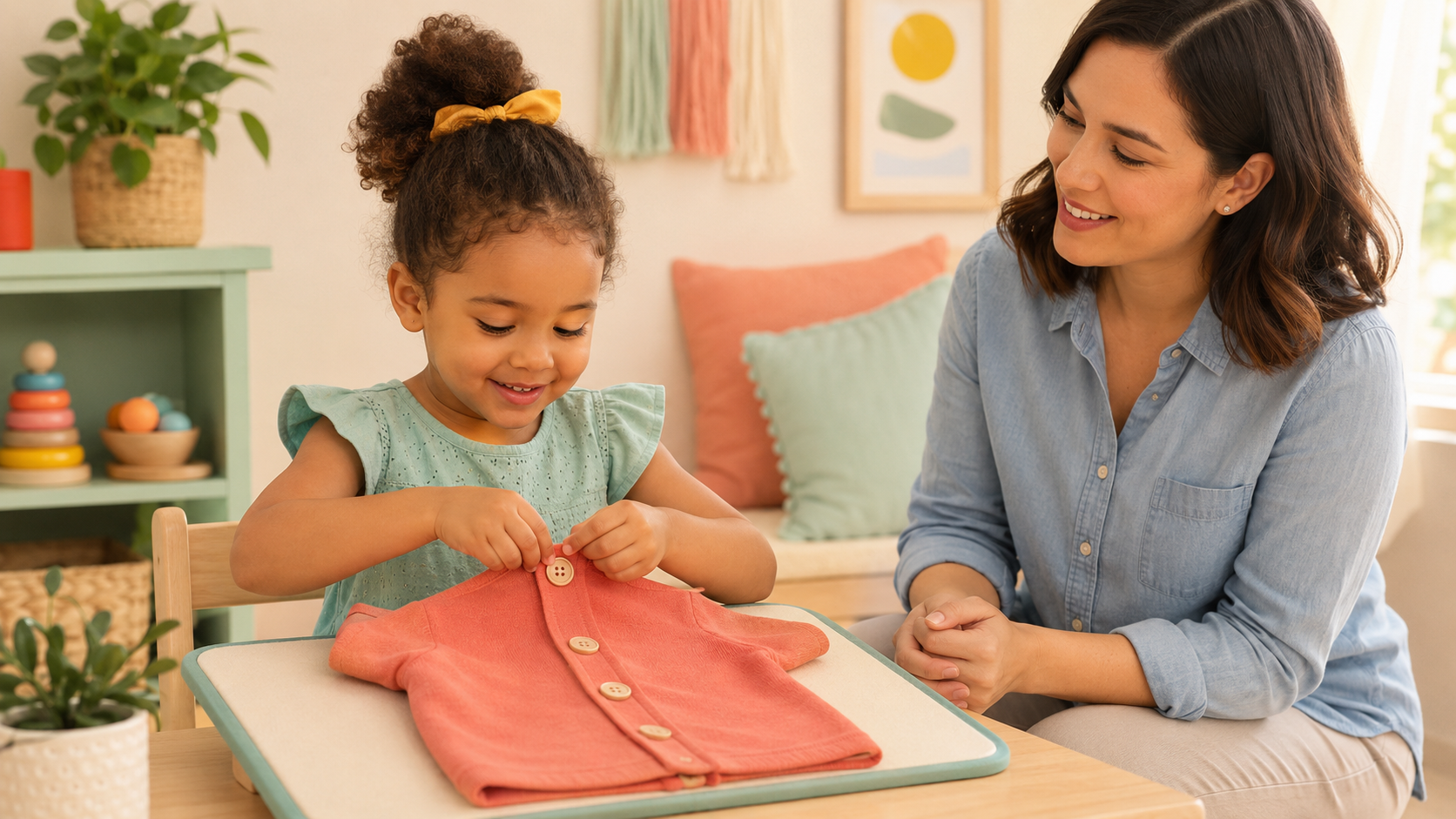
A calm, OT-informed way to teach unbuttoning and buttoning through stable positioning, backward chaining, playful hand practice, and safe clothing choices.
Read article →LELEKA PLAY
Explore OT-designed guides, printables, and interactive books that turn ideas into hands-on practice.
Browse resources →Recommended next steps
Educational information only. This page does not diagnose a condition or replace an individualized evaluation. If concerns affect daily activities, discuss them with your pediatrician or a pediatric occupational therapist.