Look at participation
Ask how skills affect play, dressing, eating, preschool, and relationships—not only whether one milestone is present.
MILESTONES • PLAY • SCHOOL READINESS
A practical parent hub for milestones, play, participation, school readiness, and developmental concerns from birth through age five.
A parent-friendly starting point
Development is more than a checklist. Children build skills through relationships, movement, play, routines, and repeated opportunities. Use age ranges as a guide, notice patterns across daily life, and seek support when concerns affect participation or skills are lost.
Ask how skills affect play, dressing, eating, preschool, and relationships—not only whether one milestone is present.
Offer practice without pressure and build from what the child can already do.
Talk with a pediatrician or pediatric OT about loss of skills, pain, marked asymmetry, or persistent difficulty in daily activities.
Practical articles
12 articles available
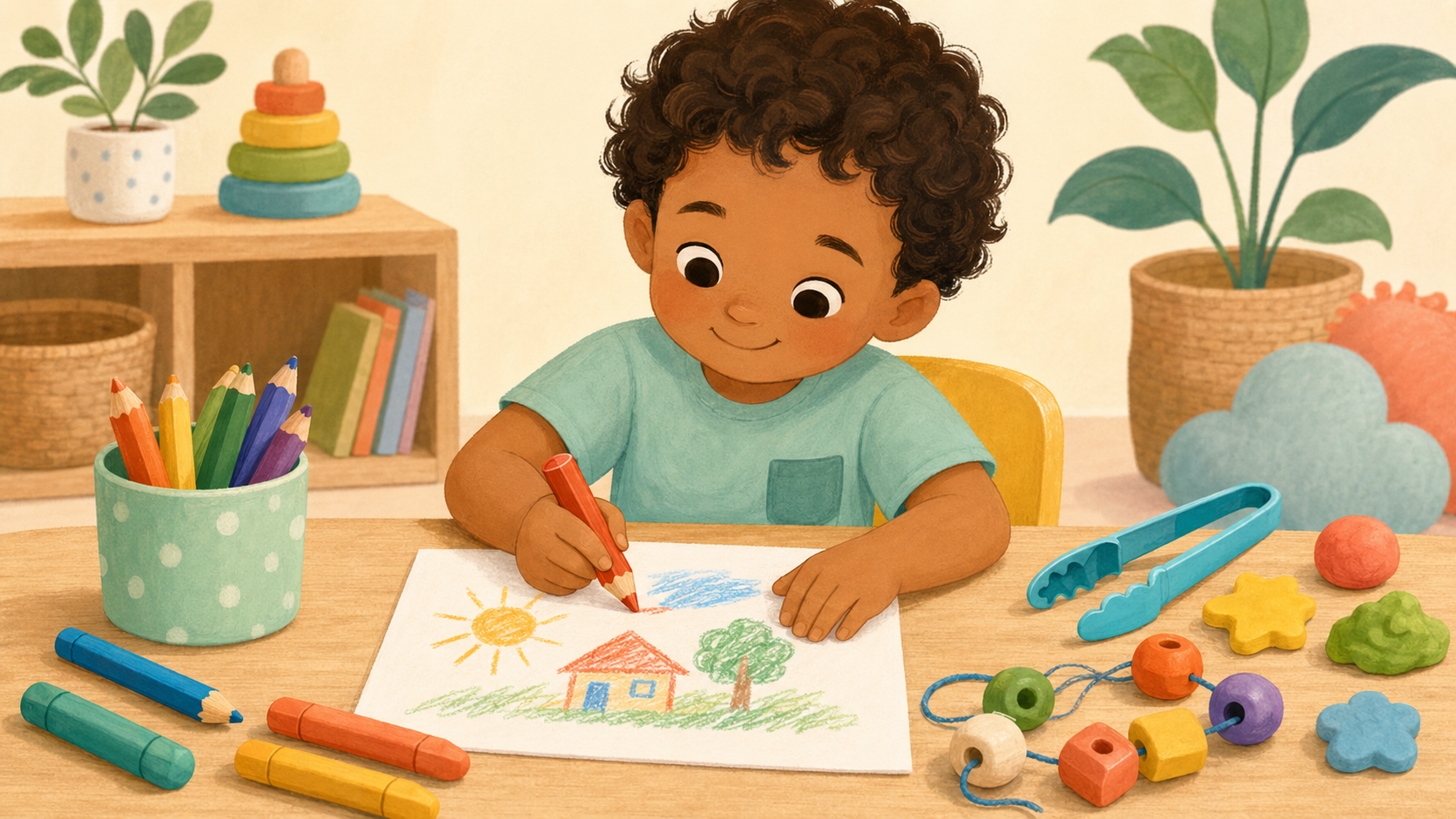
What pencil grasp development really looks like—and what helps more than repeatedly correcting fingers.
Read article →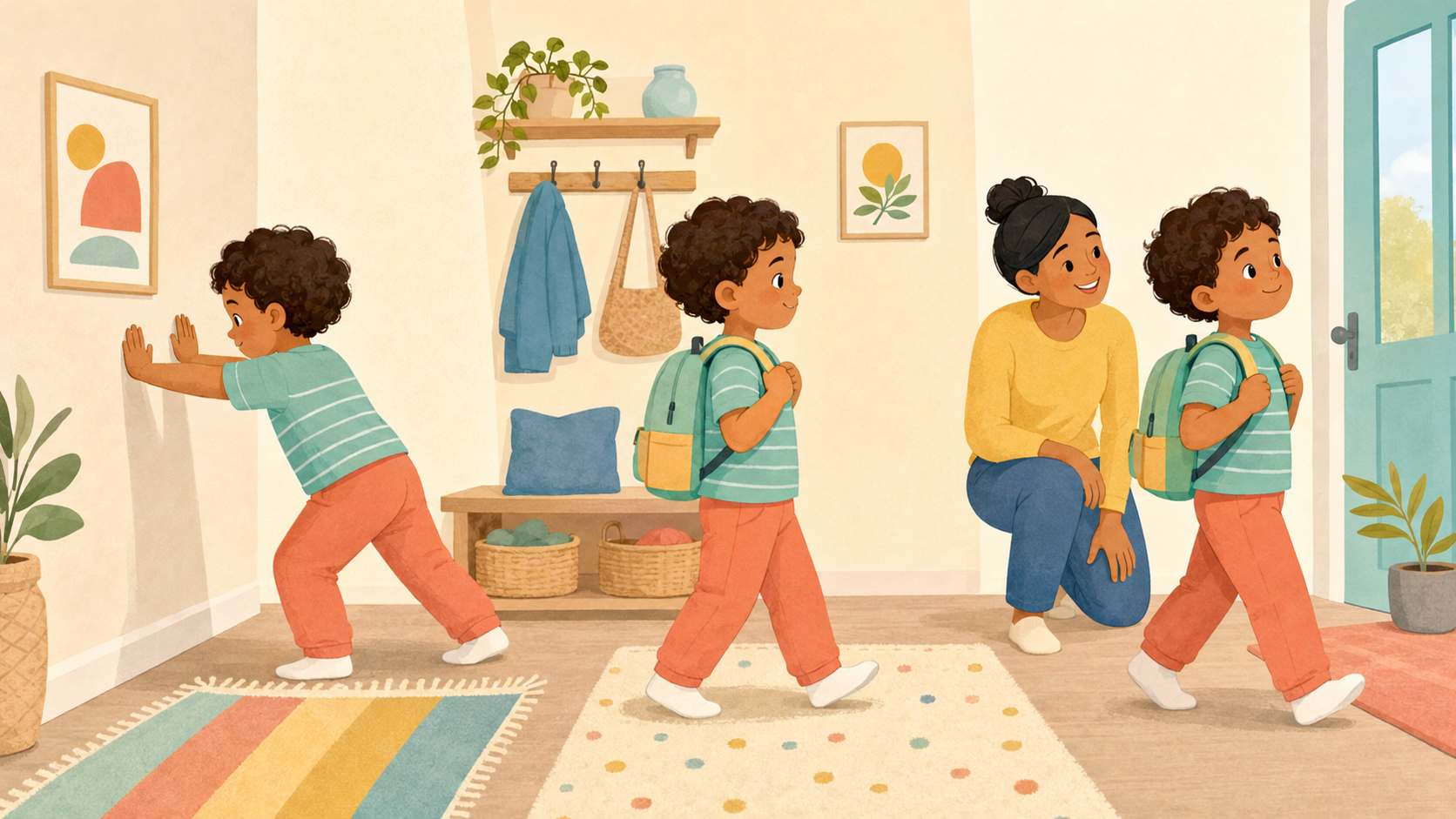
A realistic 10-minute routine to help children feel organized and ready before preschool or school.
Read article →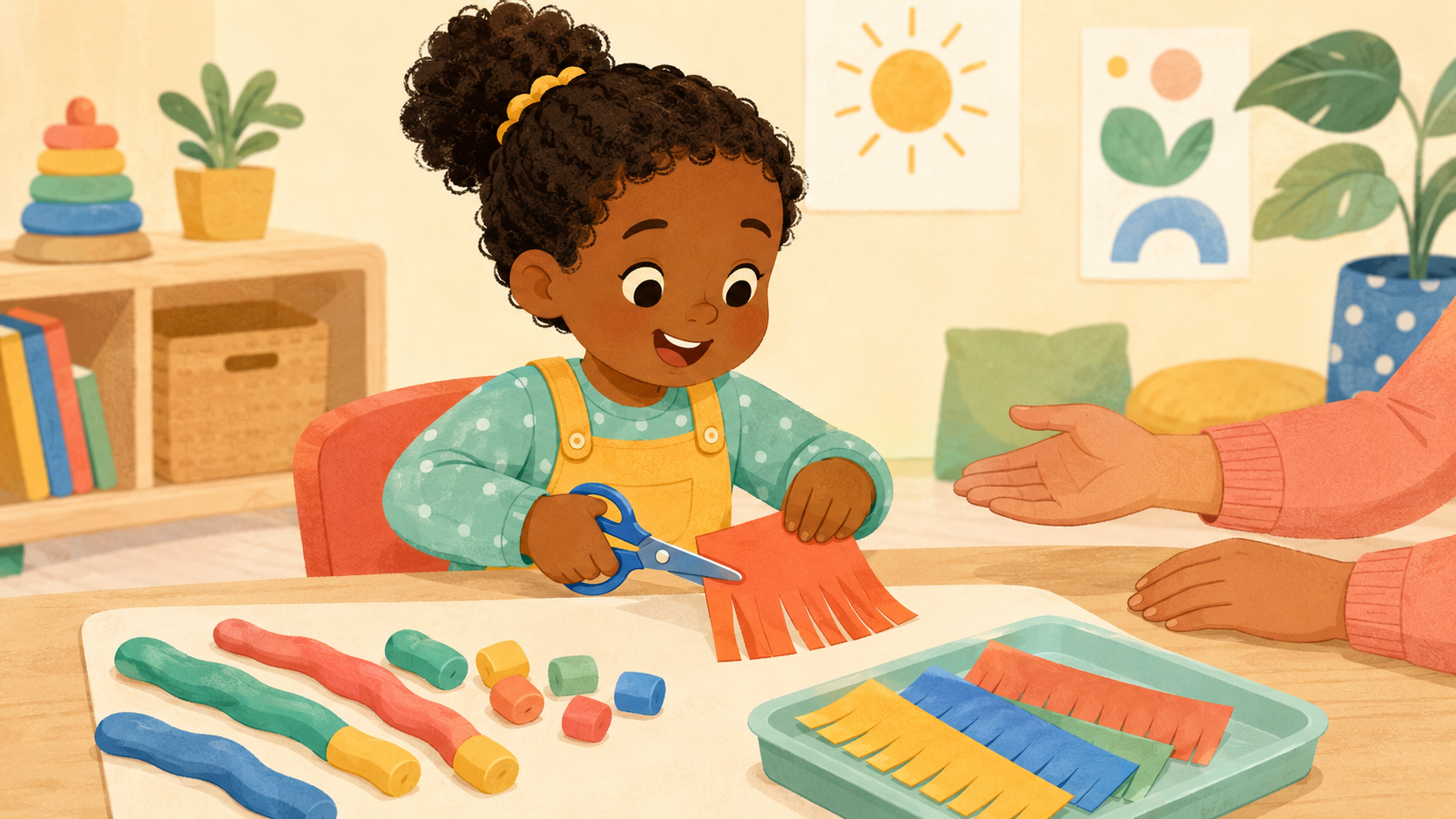
Playful, low-pressure activities that build the hand strength and coordination children need for cutting.
Read article →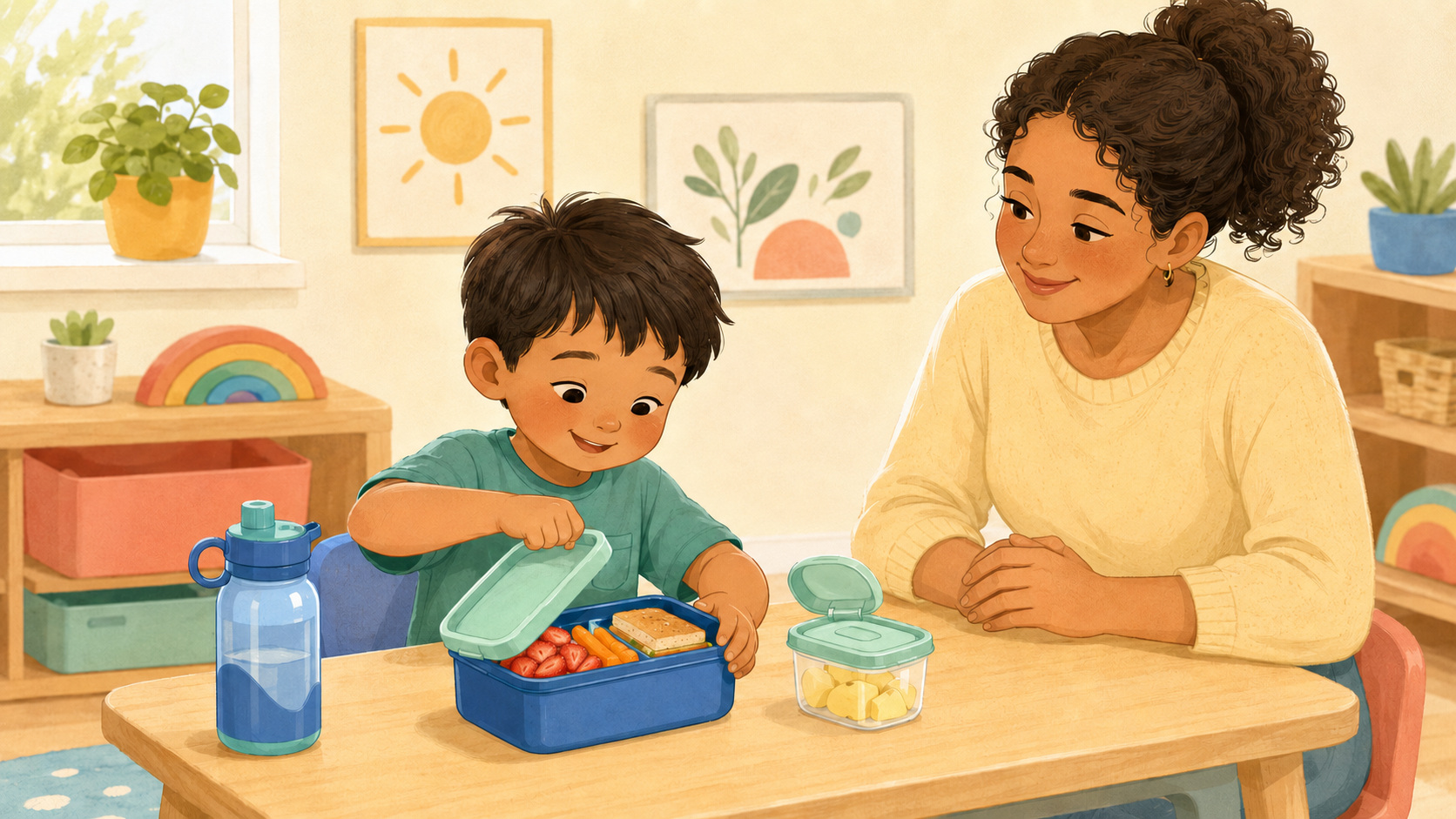
Simple OT-informed ways to practice lunchbox zippers, lids, pouches, and containers before preschool.
Read article →
A playful, step-by-step way to teach the coat-flip method and make getting dressed easier for children ages 2–5.
Read article →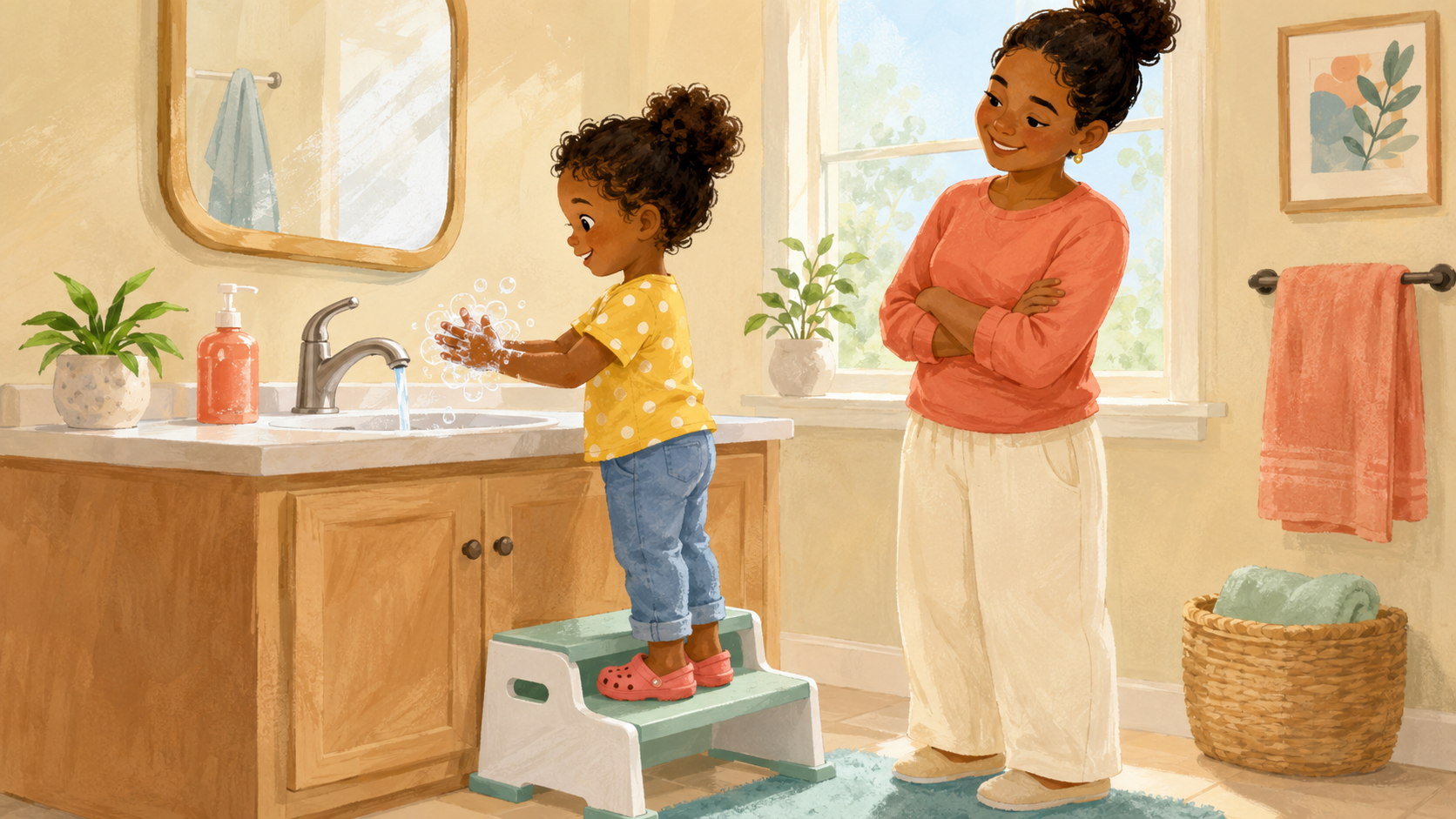
A simple six-step handwashing routine with playful OT-informed practice ideas for children ages 2–5.
Read article →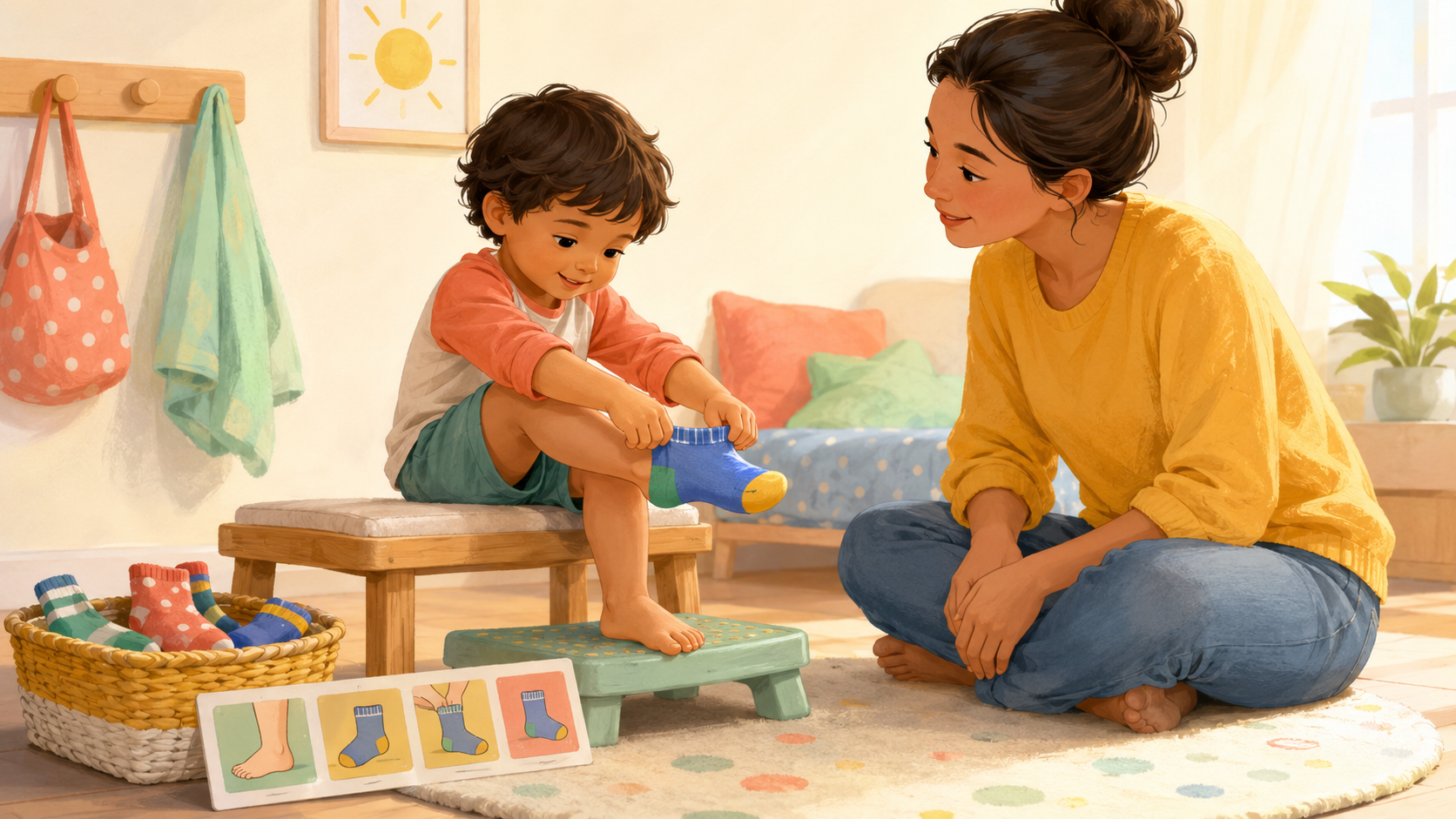
A simple OT-informed way to teach sock dressing through setup, backward chaining, and playful two-hand practice.
Read article →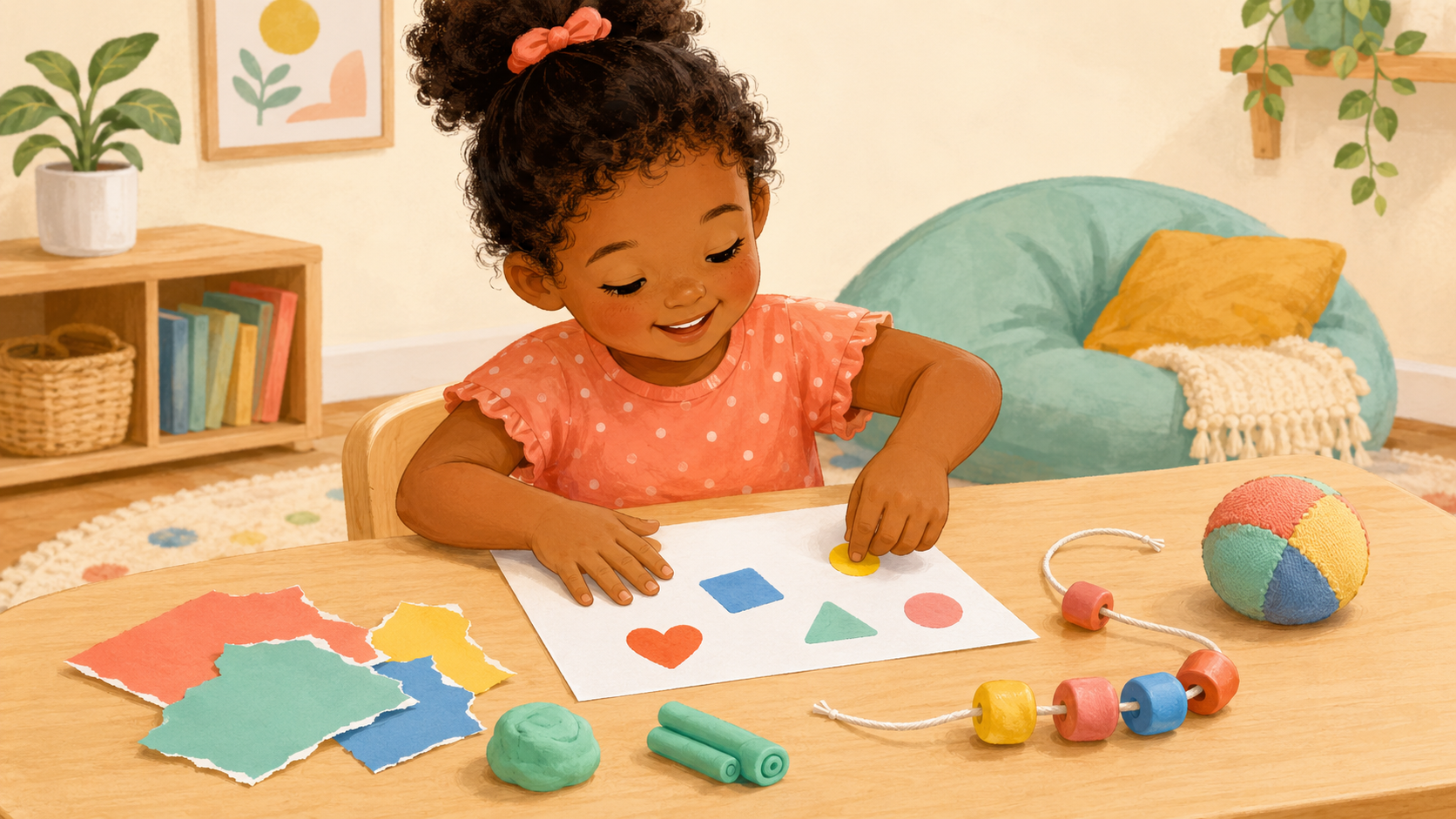
Easy everyday games that help preschoolers use both hands together for dressing, cutting, drawing, and play.
Read article →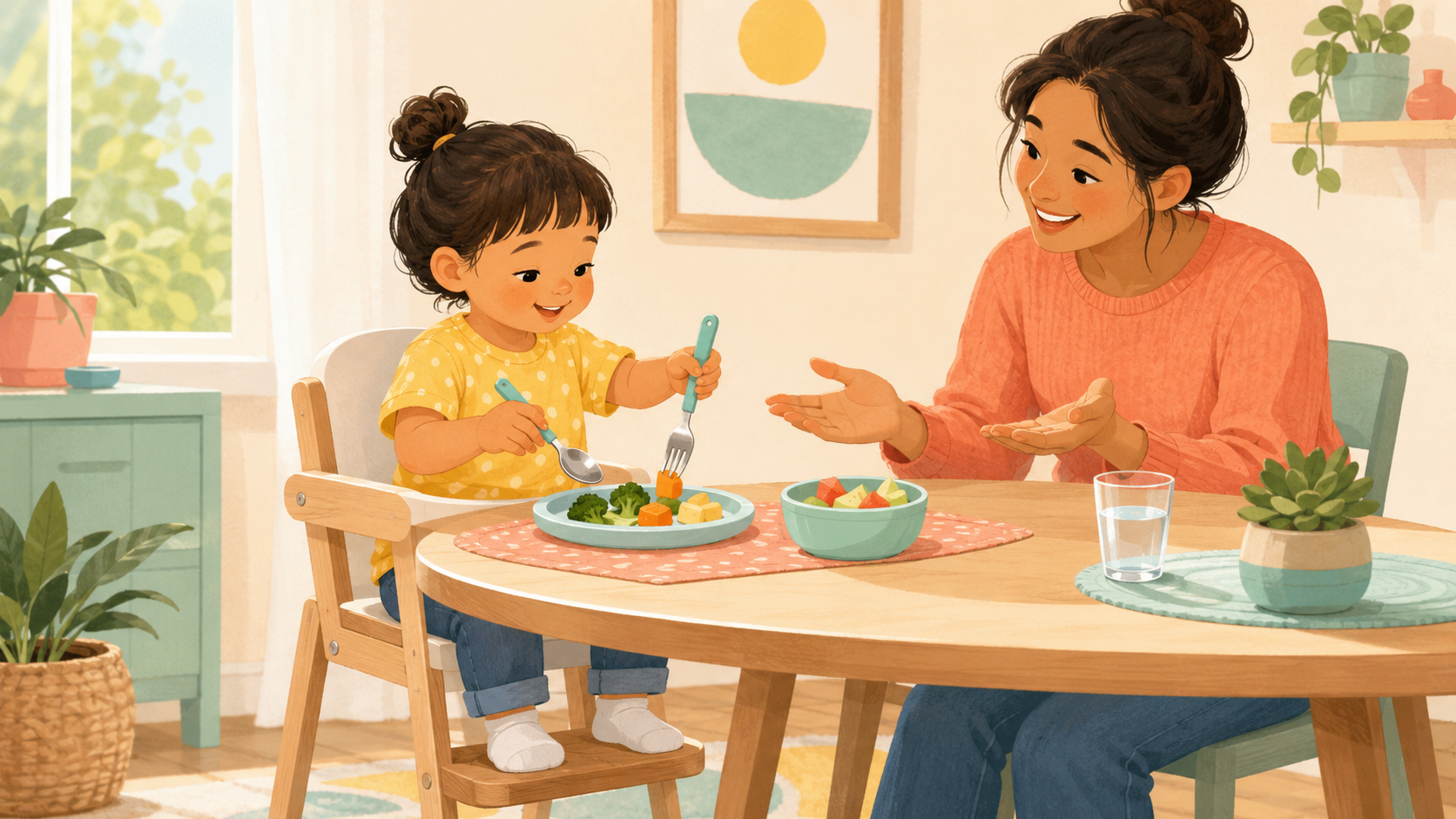
A calm, practical way to build utensil skills through stable seating, child-sized tools, playful practice, and low-pressure meals.
Read article →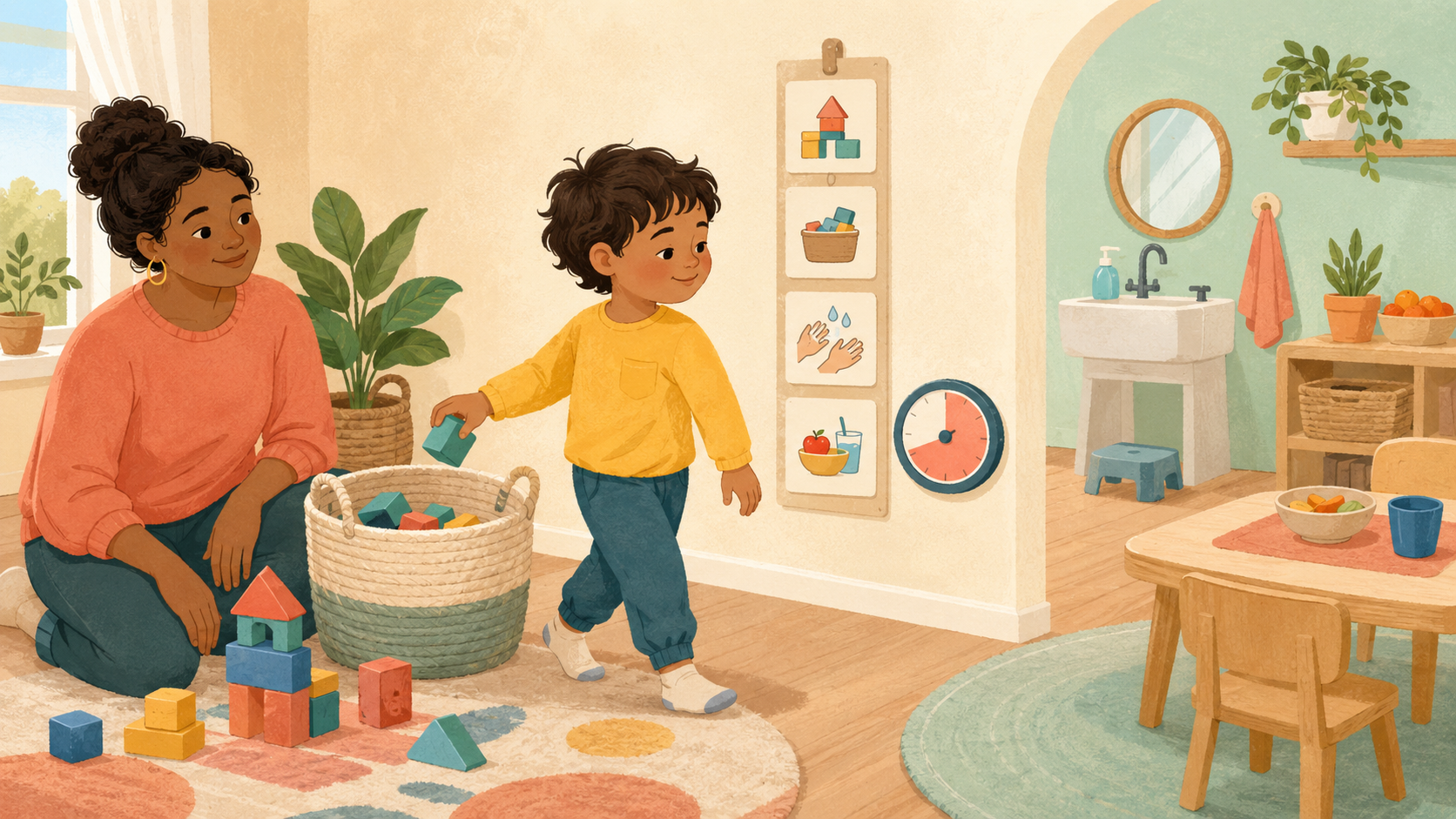
A calm, OT-informed routine for helping young children stop one activity, understand what comes next, and move through the day with less stress.
Read article →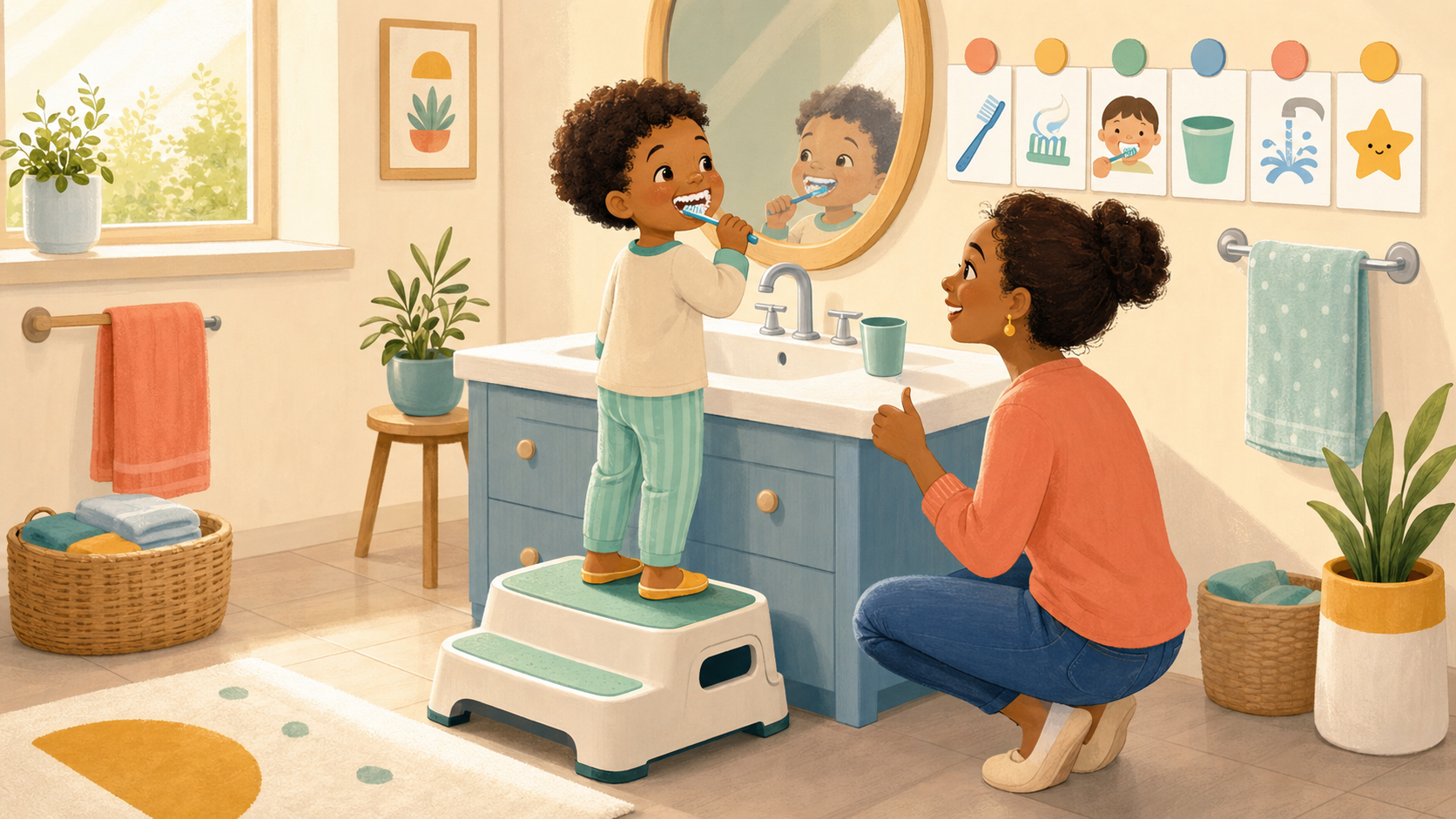
A calm, OT-informed toothbrushing routine with practical setup, playful skill-building, sensory support, and clear safety guidance.
Read article →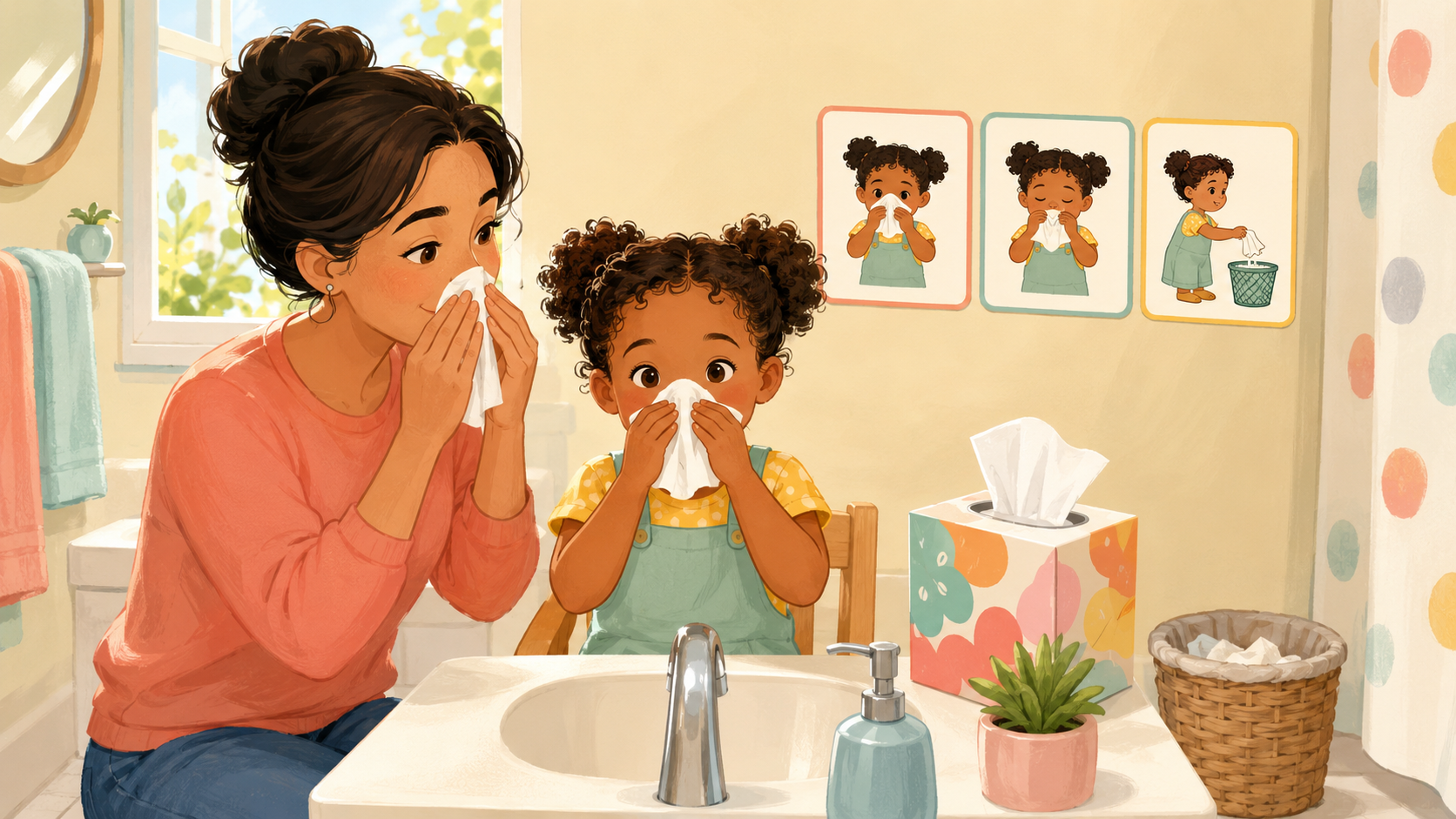
A gentle, OT-informed routine that teaches nose blowing through simple airflow games, a clear sequence, sensory support, and healthy hygiene habits.
Read article →LELEKA PLAY
Explore OT-designed guides, printables, and interactive books that turn ideas into hands-on practice.
Browse resources →Recommended next steps
Educational information only. This page does not diagnose a condition or replace an individualized evaluation. If concerns affect daily activities, discuss them with your pediatrician or a pediatric occupational therapist.