Remove pressure
Offer predictable meals and neutral exposure without forcing bites, bargaining, or hiding foods.
EATING • DRINKING • PARTICIPATION
Practical guidance for picky eating, food textures, utensils, cups, mealtime routines, and comfortable family participation.
A parent-friendly starting point
Feeding includes motor skills, sensory experiences, appetite, learning history, medical factors, family culture, and routines. Progress is not measured only by bites eaten; comfort, curiosity, communication, and participation matter too.
Offer predictable meals and neutral exposure without forcing bites, bargaining, or hiding foods.
Use stable seating, manageable portions, and utensils and cups the child can control.
Seek medical help for choking, coughing with meals, breathing changes, poor growth, pain, dehydration, or loss of skills.
Practical articles
5 articles available
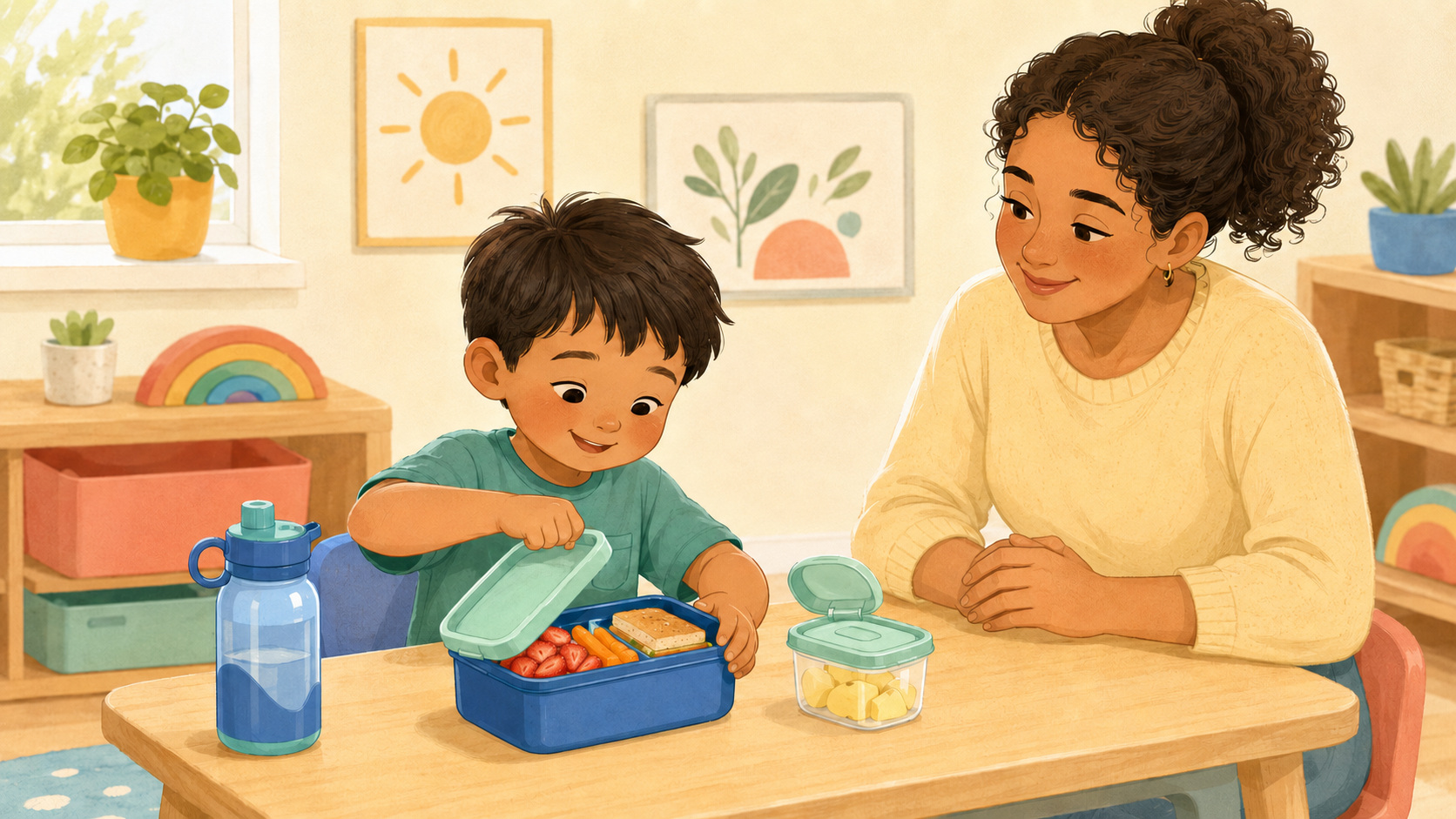
Simple OT-informed ways to practice lunchbox zippers, lids, pouches, and containers before preschool.
Read article →
A calm, step-by-step way to practice open-cup drinking with safer setup, tiny pours, and supportive OT-informed cues.
Read article →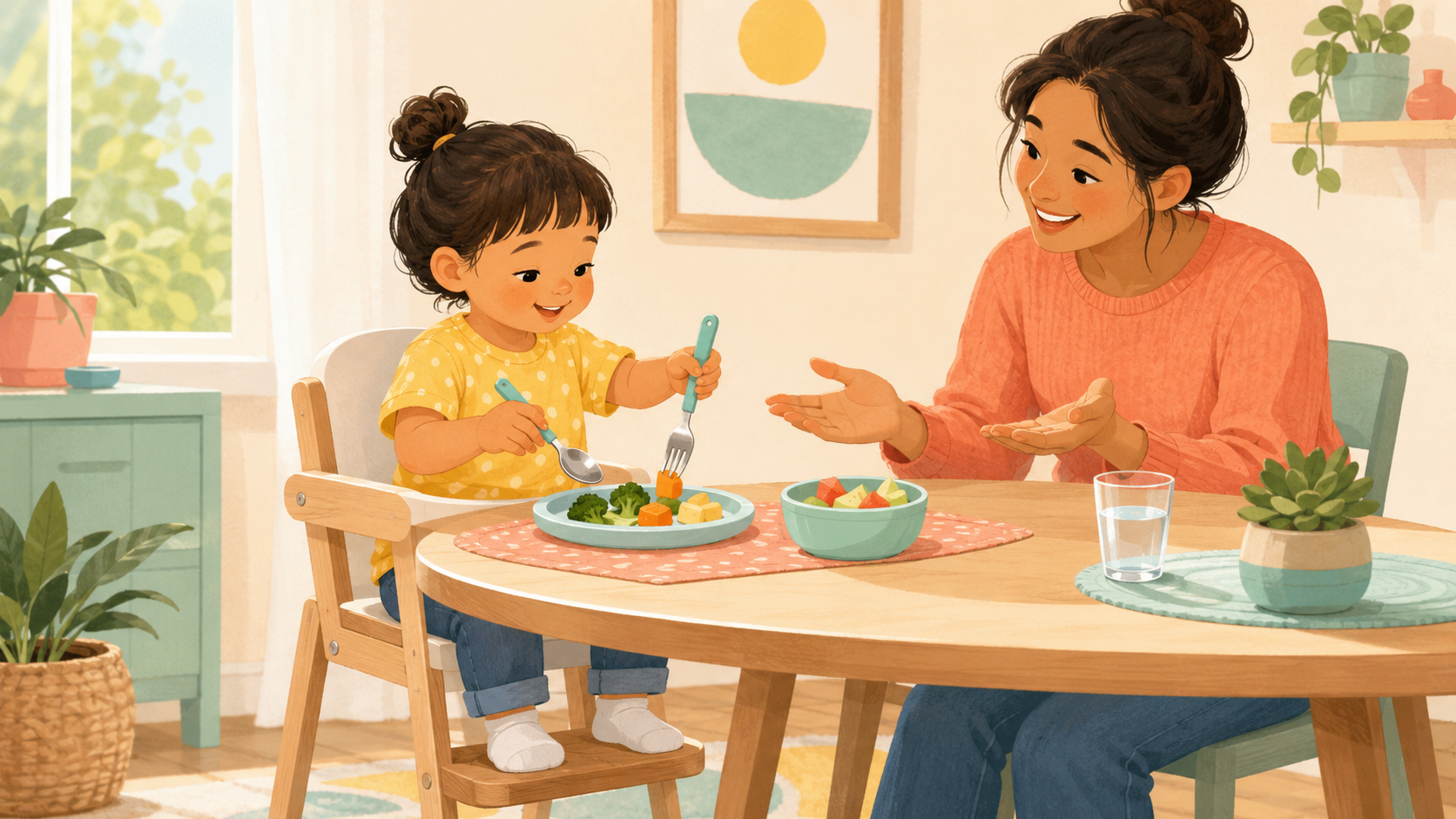
A calm, practical way to build utensil skills through stable seating, child-sized tools, playful practice, and low-pressure meals.
Read article →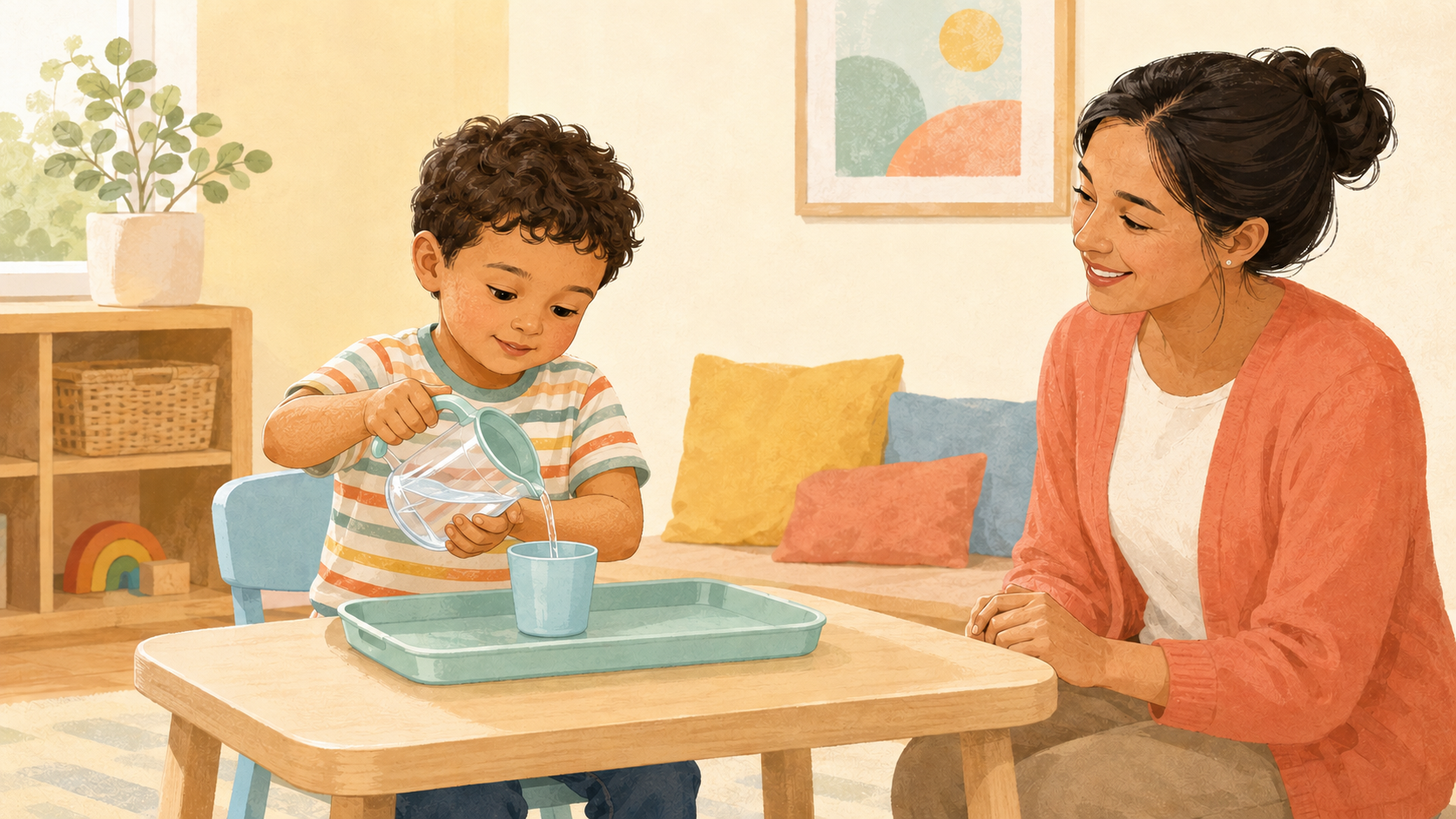
A calm, OT-informed way to teach children ages 2–5 to pour from a small pitcher using two hands, graded control, and spill-friendly practice.
Read article →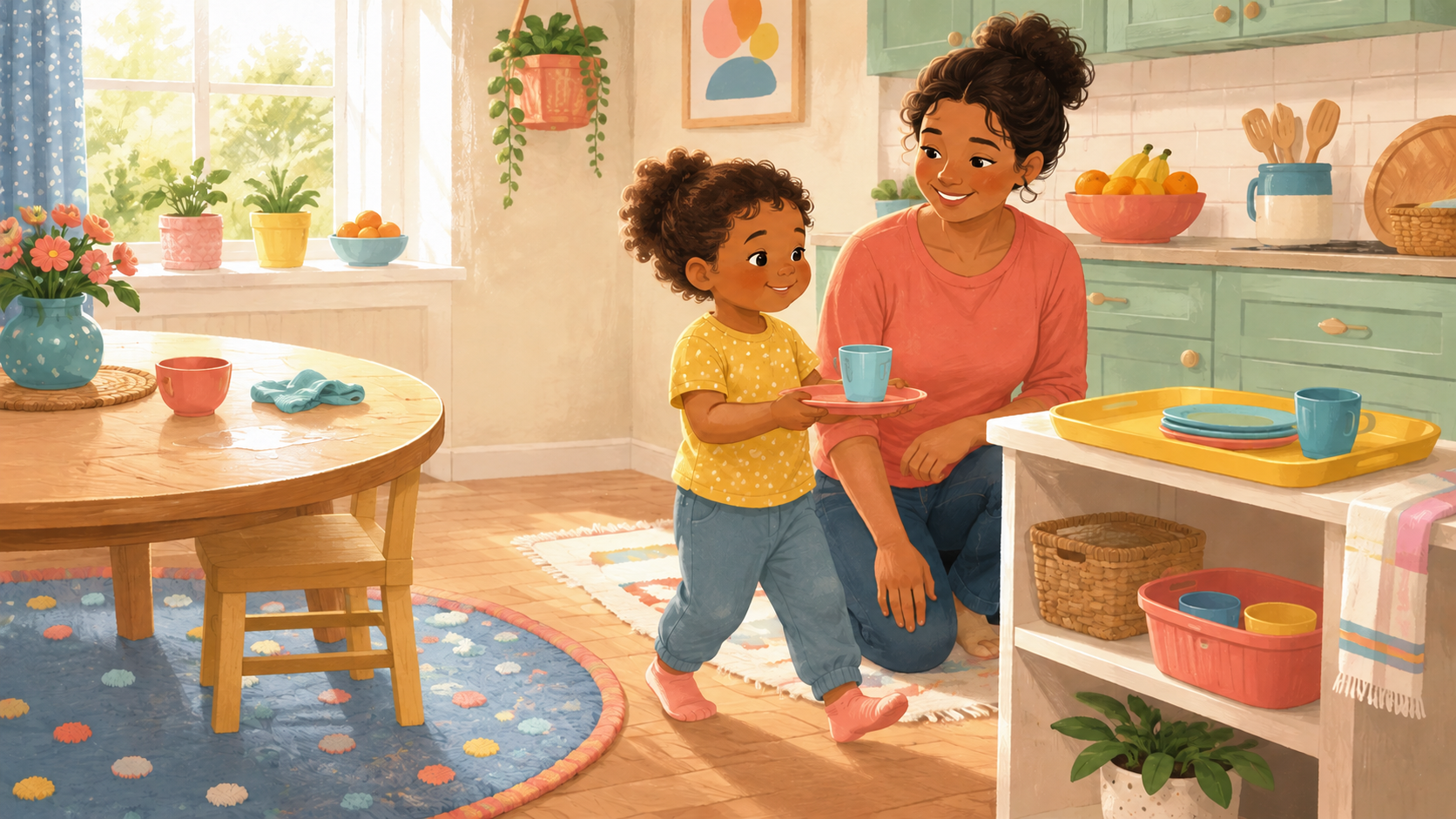
An OT-informed mealtime cleanup routine for children ages 2–5 using safe dishes, two-handed carrying, small wiping jobs, and graded help.
Read article →LELEKA PLAY
Explore OT-designed guides, printables, and interactive books that turn ideas into hands-on practice.
Browse resources →Recommended next steps
Educational information only. This page does not diagnose a condition or replace an individualized evaluation. If concerns affect daily activities, discuss them with your pediatrician or a pediatric occupational therapist.