Observe the pattern
Notice the trigger, the child’s response, what helps, and whether daily participation changes.
REGULATION • MOVEMENT • COMFORT
Parent-friendly explanations of sensory seeking, sensory avoiding, touch, sound, movement, body awareness, and regulation.
A parent-friendly starting point
Sensory processing is how the nervous system notices, organizes, and responds to information from the body and environment. Differences become important when they repeatedly affect comfort, safety, learning, play, sleep, eating, or family routines.
Notice the trigger, the child’s response, what helps, and whether daily participation changes.
Use predictable, optional sensory experiences rather than forcing a child to tolerate distress.
Movement, heavy work, quiet spaces, and routine can help—but strategies should match the individual child.
Practical articles
12 articles available

A realistic 10-minute routine to help children feel organized and ready before preschool or school.
Read article →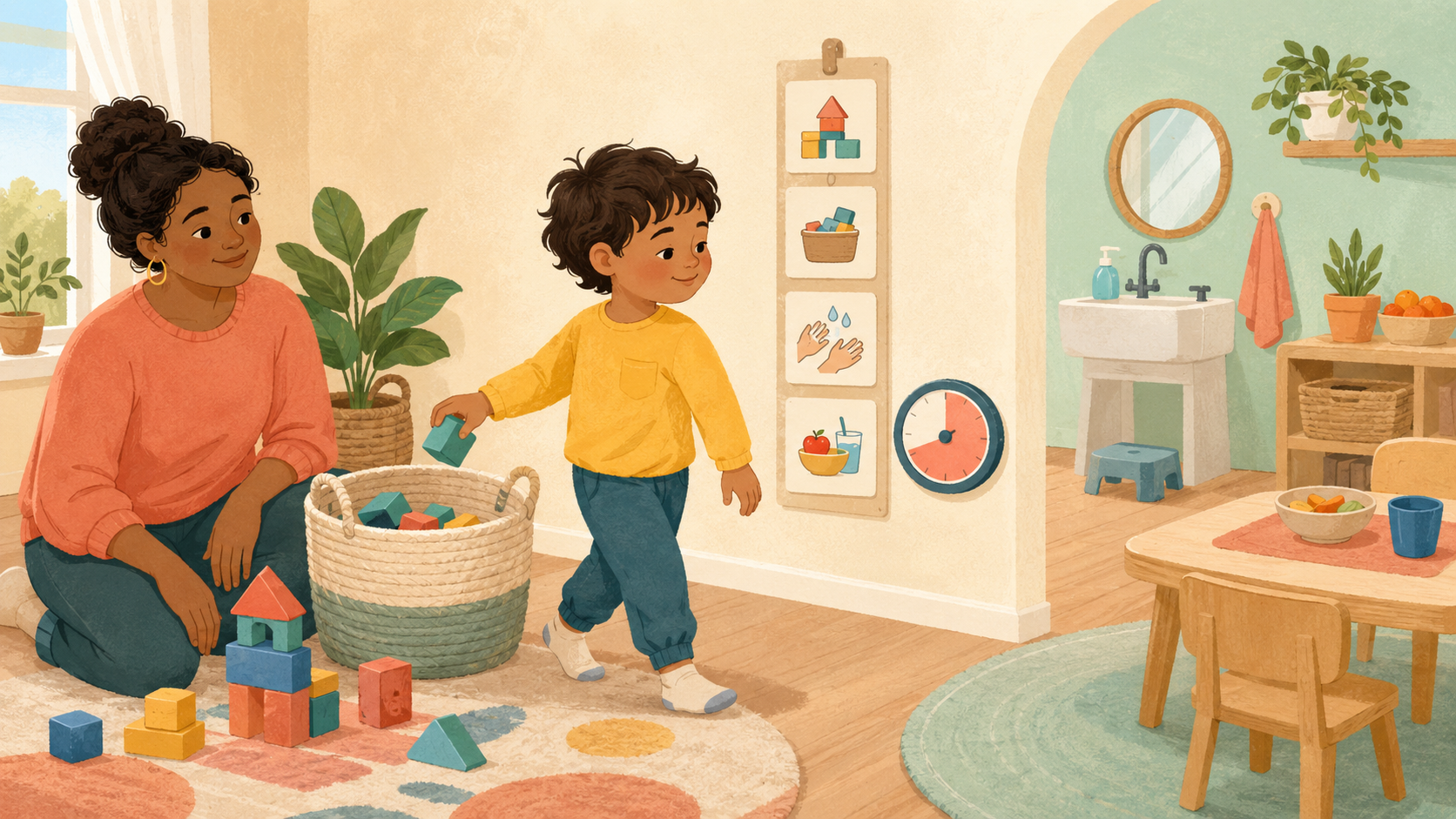
A calm, OT-informed routine for helping young children stop one activity, understand what comes next, and move through the day with less stress.
Read article →
A calm, OT-informed toothbrushing routine with practical setup, playful skill-building, sensory support, and clear safety guidance.
Read article →
A gentle, OT-informed routine that teaches nose blowing through simple airflow games, a clear sequence, sensory support, and healthy hygiene habits.
Read article →
A calm, OT-informed way to teach the two-handed steps of starting and pulling a jacket zipper, with playful practice, sensory support, and safety guidance.
Read article →
Seven playful, OT-informed activities that help preschoolers reach across their bodies during drawing, dressing, play, and everyday routines.
Read article →
A gentle, OT-informed way to help children ages 2–5 learn face washing through a simple routine, sensory comfort, and graded practice.
Read article →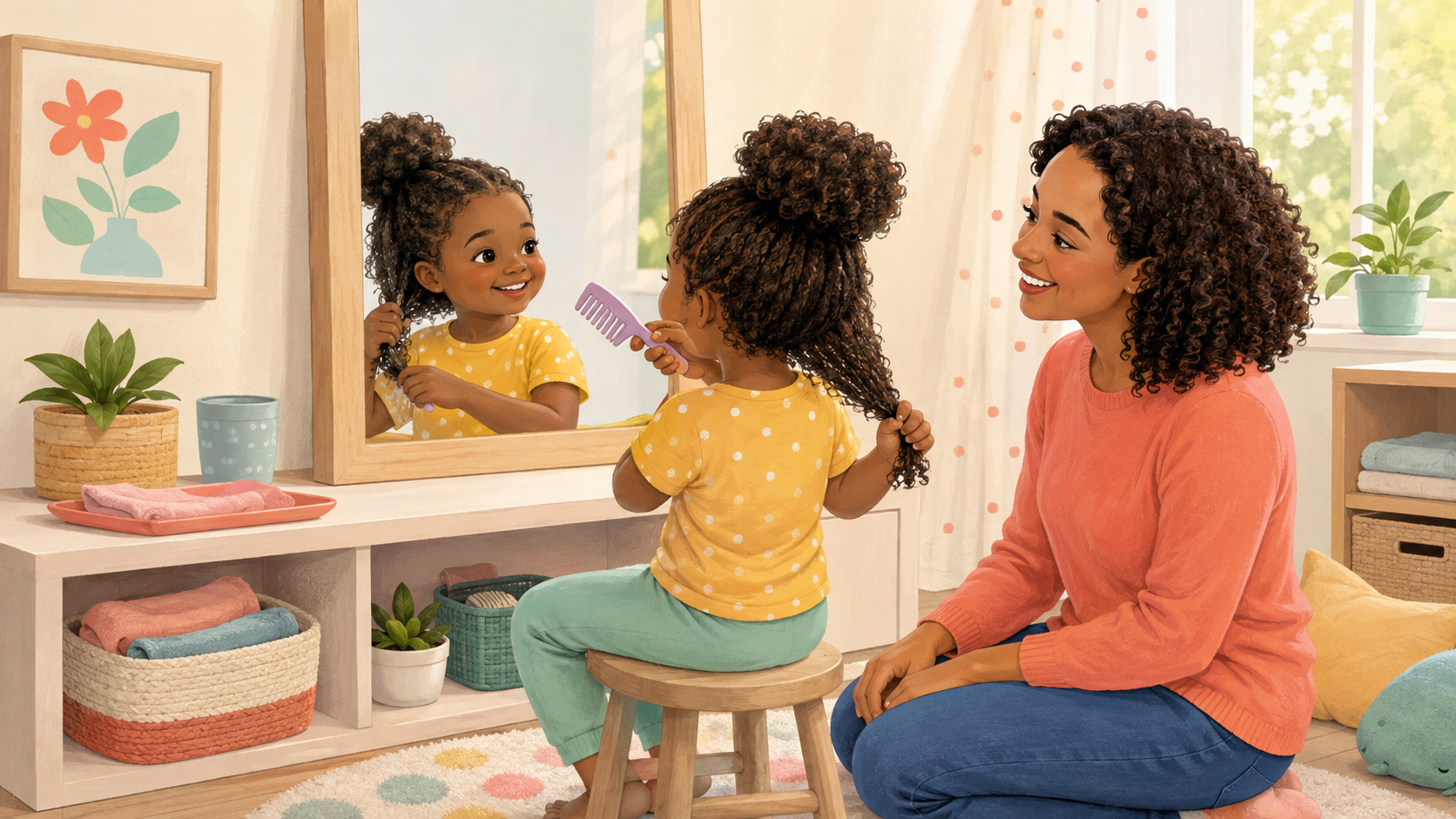
A gentle, OT-informed way to help children ages 2–5 learn hair brushing through child-friendly tools, detangling from the ends, sensory support, and graded practice.
Read article →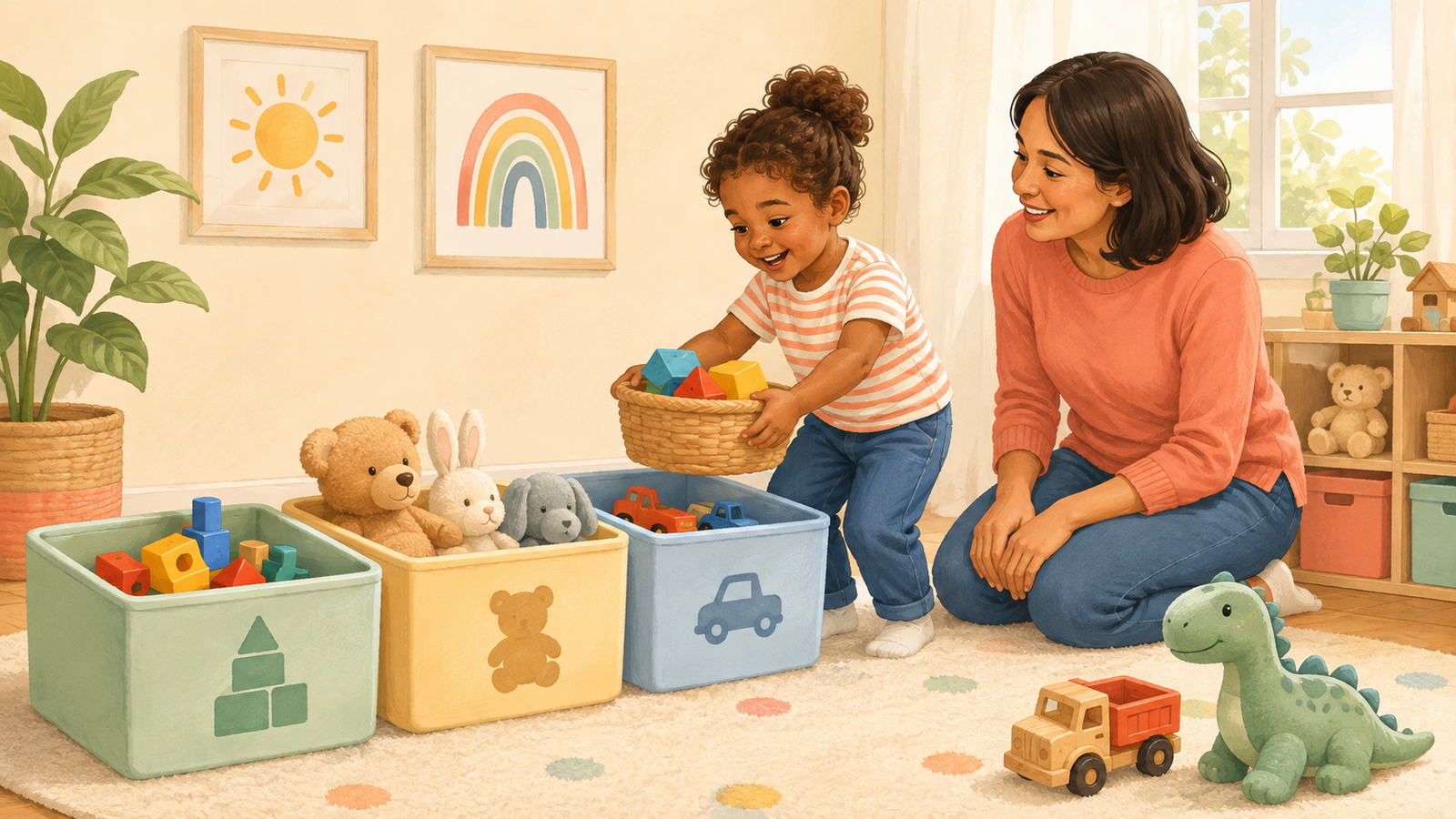
An OT-informed cleanup routine for children ages 2–5 using small jobs, picture cues, simple sorting, movement breaks, and calm practice.
Read article →
A calm, OT-informed plan for children ages 2–5 using preview, choice, gradual practice, communication, and a predictable haircut routine.
Read article →
A gentle, OT-informed plan for helping children ages 2–5 participate in nail care through preparation, choice, gradual practice, and safe positioning.
Read article →
Explore the play, movement, visual-motor, and self-care foundations children build before forming letters and writing their names.
Read article →LELEKA PLAY
Explore OT-designed guides, printables, and interactive books that turn ideas into hands-on practice.
Browse resources →Recommended next steps
Educational information only. This page does not diagnose a condition or replace an individualized evaluation. If concerns affect daily activities, discuss them with your pediatrician or a pediatric occupational therapist.