Draw roads for toy cars
FINE MOTOR SKILLS • PEDIATRIC OT
FINE MOTOR SKILLS
Pre-Writing Strokes
Learn which lines and shapes build the visual-motor foundation for letters.
Before writing letters, children experiment with vertical and horizontal lines, circles, crosses, diagonals, squares, and simple combinations. These forms grow through movement, imitation, drawing, and play—not worksheets alone.
Why this skill matters
Why this skill matters
Pre-writing combines visual attention, motor planning, hand control, spatial awareness, and the ability to copy a model. Large movement usually comes before small pencil work.
Play ideas to try at home
Play ideas to try at home
Paint lines with water outside
Copy shapes in sand or foam
Build lines and shapes with sticks
Related practical articles
Pre-Writing Strokes
Handwriting
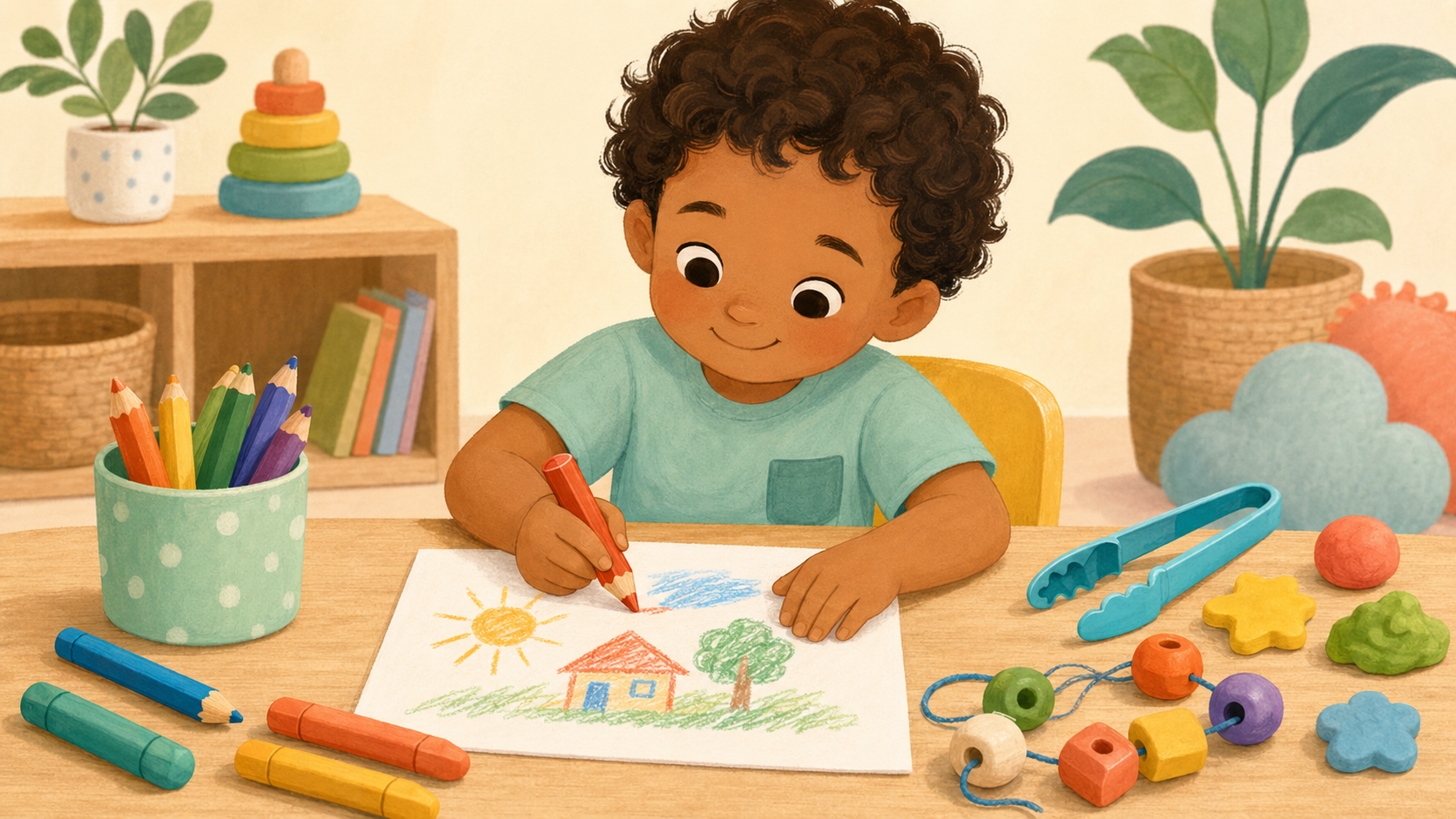
When Should My Child Use a Mature Pencil Grasp?
What pencil grasp development really looks like—and what helps more than repeatedly correcting fingers.
Read article →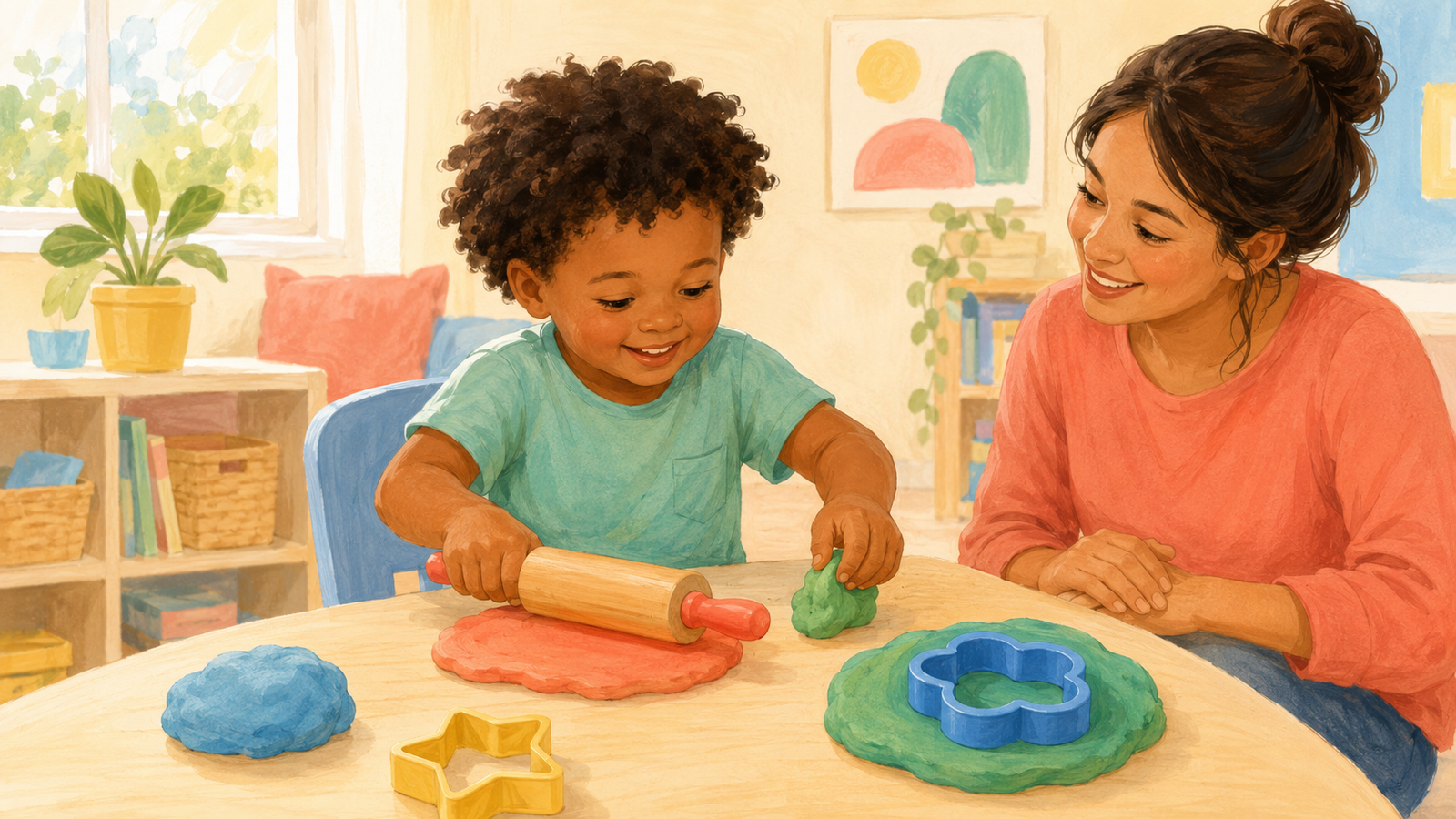
Fine motor
7 Playdough Games That Build Hand Strength for Pre-Writing
Simple, playful ways to strengthen little hands and support early pencil skills without worksheets.
Read article →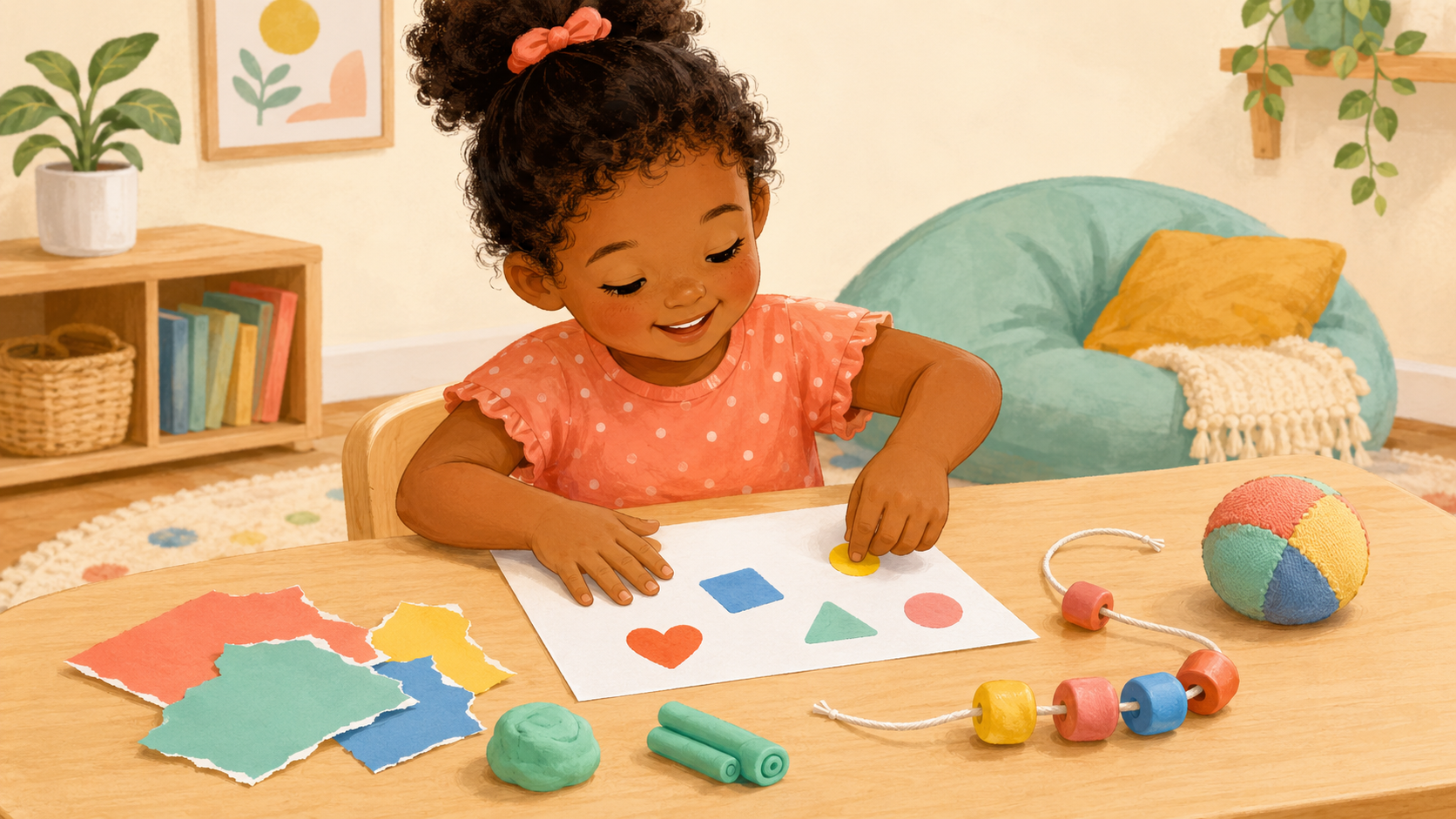
Fine motor & play
7 Two-Handed Play Activities That Build Bilateral Coordination
Easy everyday games that help preschoolers use both hands together for dressing, cutting, drawing, and play.
Read article →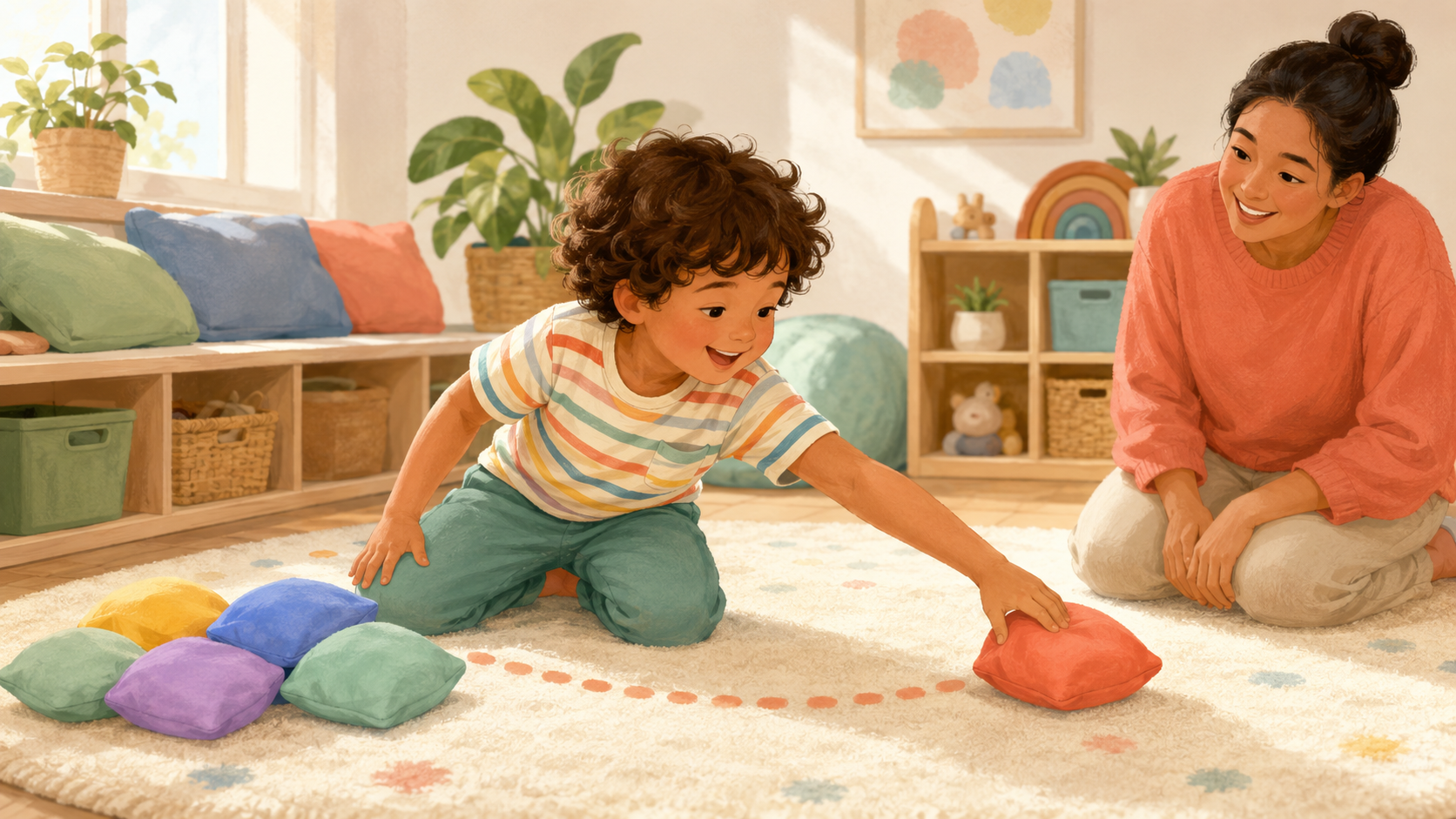
Movement & fine motor
7 Crossing-the-Midline Games for Preschoolers
Seven playful, OT-informed activities that help preschoolers reach across their bodies during drawing, dressing, play, and everyday routines.
Read article →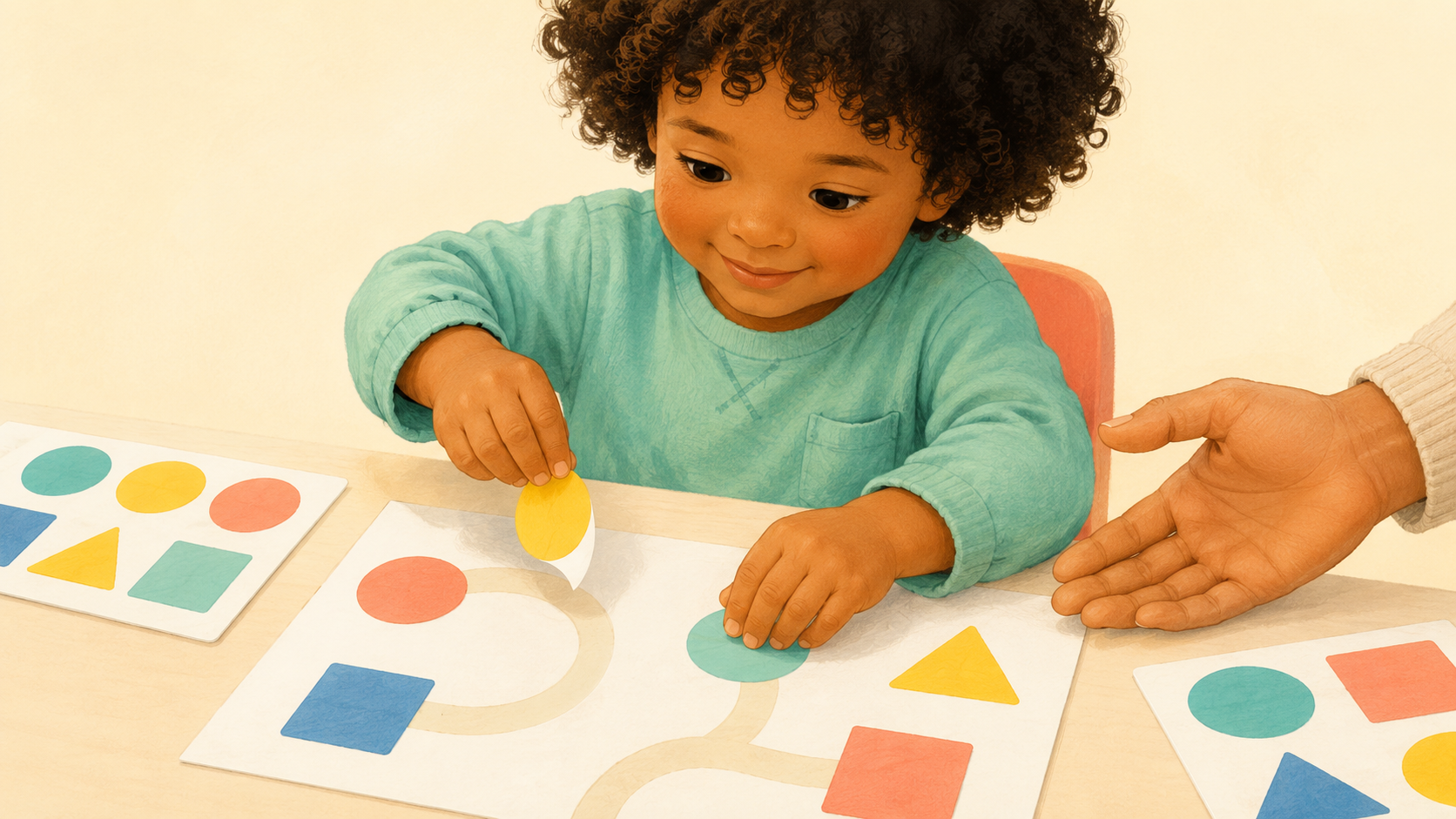
Fine motor & pre-writing readiness
Sticker Play for Little Hands: 7 Easy Fine Motor Activities for Preschoolers
Seven playful, OT-informed sticker activities for children ages 2–5 that support pincer grasp, bilateral coordination, visual-motor skills, and preschool independence.
Read article →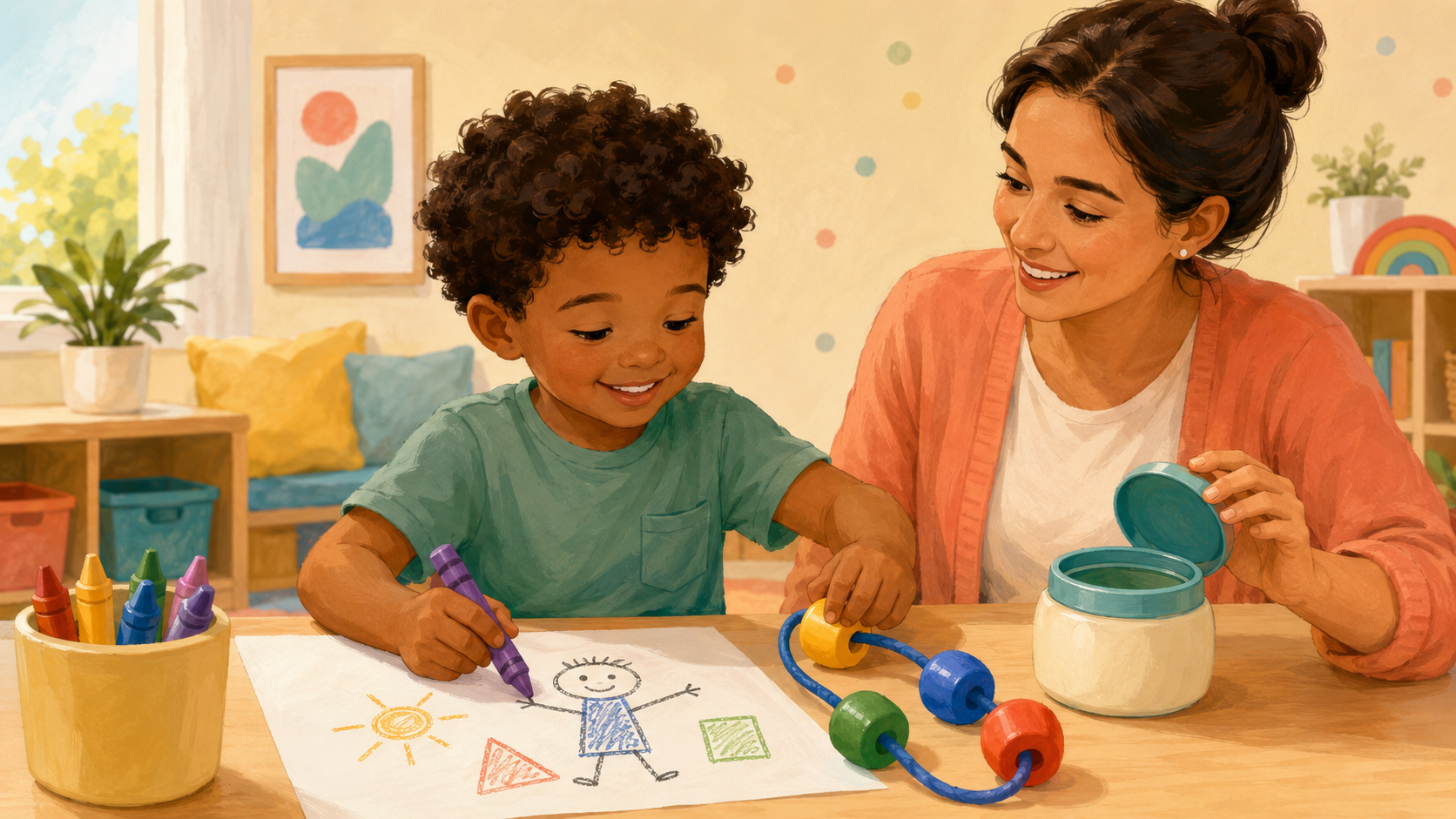
Fine motor development
Fine Motor Skills for 4-Year-Olds: Everyday Milestones and Play Ideas
Understand common fine motor skills around age 4 and use simple play to support drawing, tools, fasteners, and two-handed coordination.
Read article →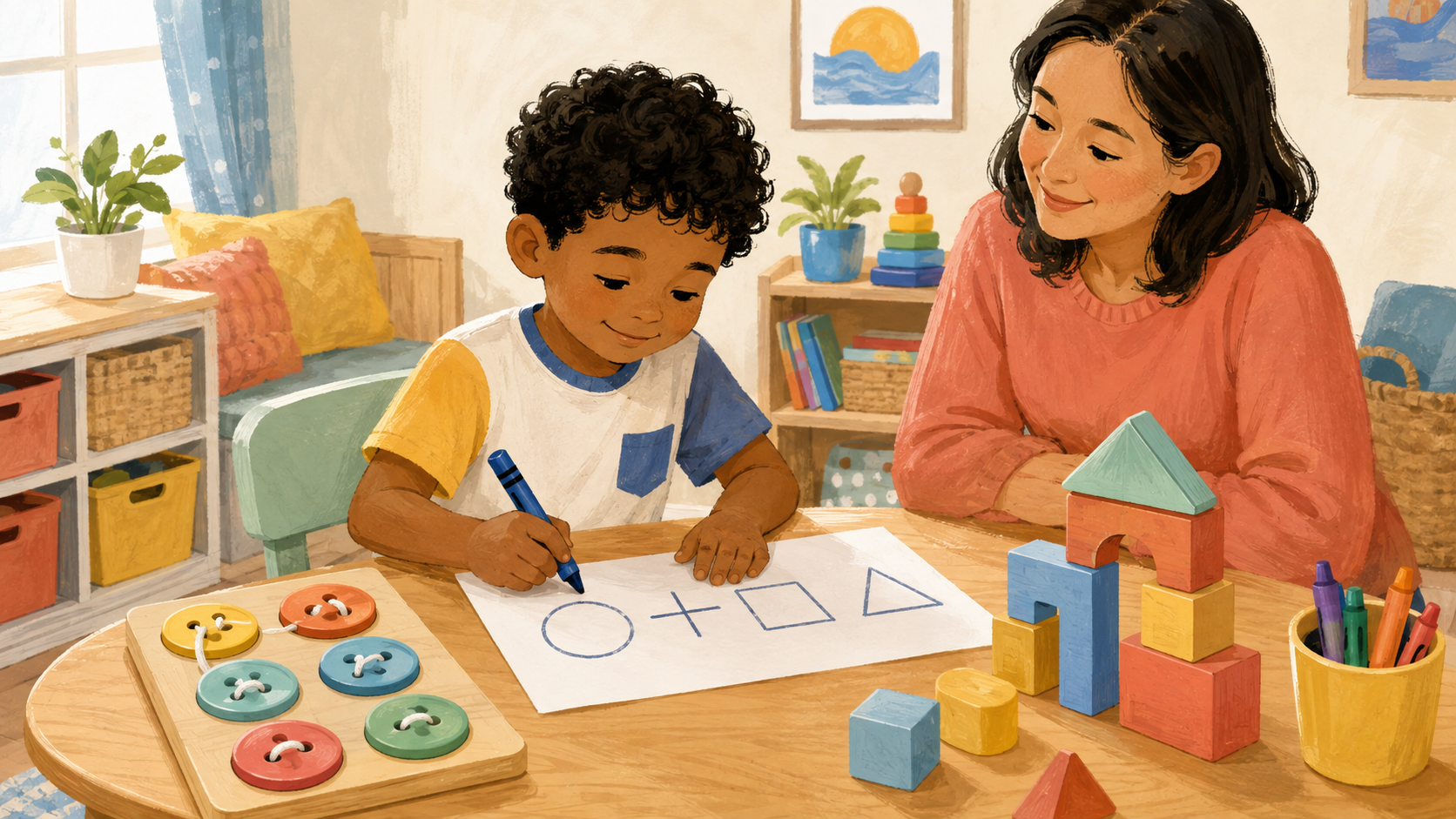
Fine motor development
Fine Motor Skills for 5-Year-Olds: Kindergarten-Ready Hands Through Play
A parent-friendly guide to hand skills that support kindergarten routines, drawing, cutting, dressing, and classroom participation.
Read article →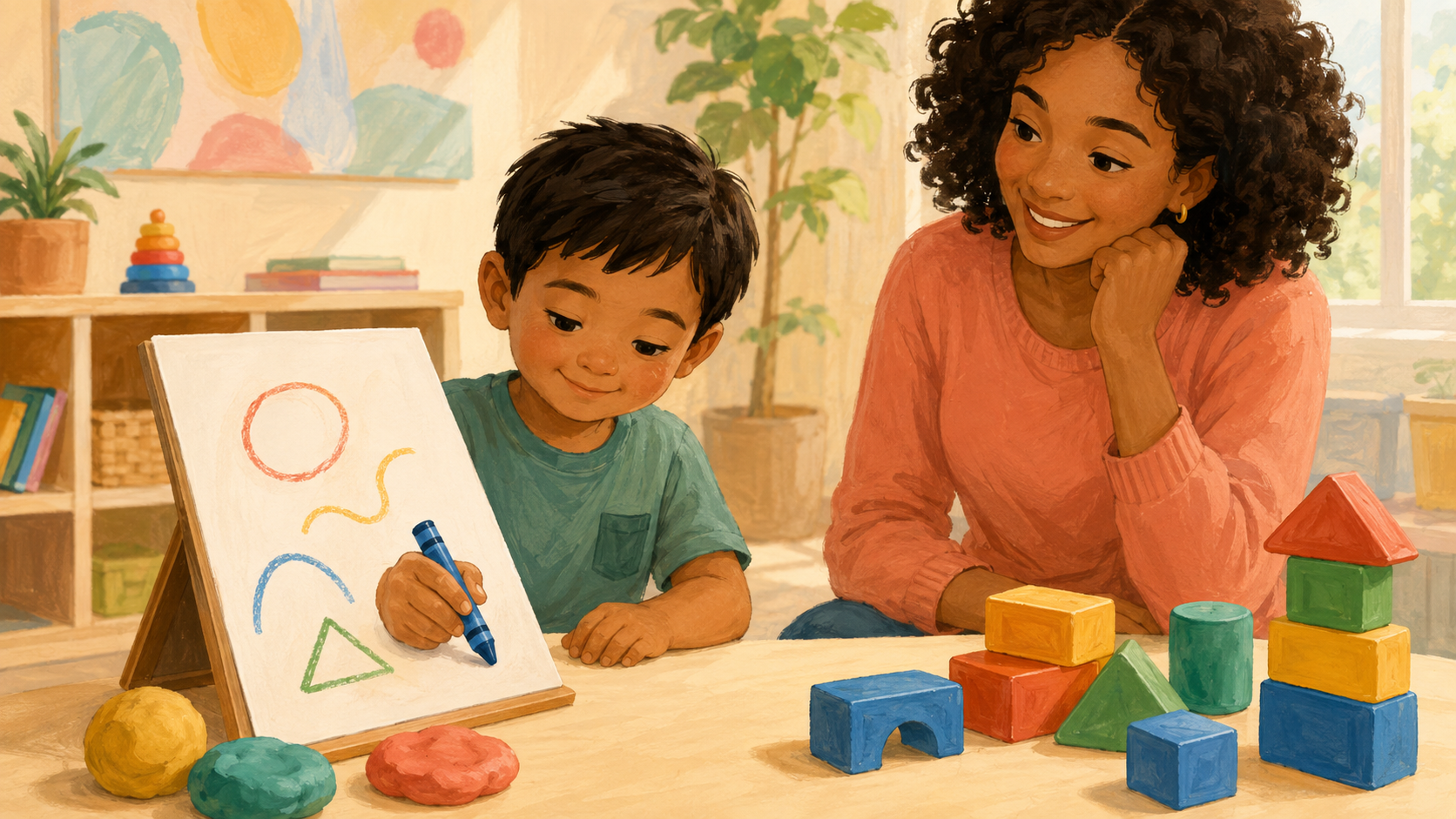
Fine motor & pre-writing
Pencil Grasp Development by Age: What Matters Most
Understand how pencil grasp changes in early childhood and how to support comfortable, efficient drawing without forcing a perfect grip.
Read article →Pencil grasp & pre-writing
What Is a Tripod Grasp? A Parent-Friendly Guide
Learn what a tripod grasp looks like, why it can support pencil control, and why function matters more than a perfect finger position.
Read article →When to ask for support
Consider talking with your child’s pediatrician or a pediatric occupational therapist when difficulty is persistent, causes pain or distress, leads to loss of skills, or regularly limits play, self-care, meals, or preschool participation.
Educational information only. Development varies, and this page does not diagnose a condition or replace an individualized evaluation.